Pasta stands as one of the world's most beloved comfort foods. People everywhere enjoy its versatility. This simple cuisine cooks easily and pairs well with countless sauces. Yet a common kitchen question puzzles many home cooks. Should you rinse your cooked pasta under water?
The Great Pasta Rinsing Debate
This simple act sparks confusion. Do you rinse pasta to cool it down quickly? Is rinsing necessary to remove excess starch? Could rinsing actually harm your final dish? The answer depends entirely on what you plan to cook. Rinsing pasta seems counterintuitive. You wash away the very starch that helps sauce cling to the noodles. However, specific situations make rinsing the correct choice. Mastering pasta requires knowing both when to rinse and when to avoid it.
What Rinsing Does to Your Pasta
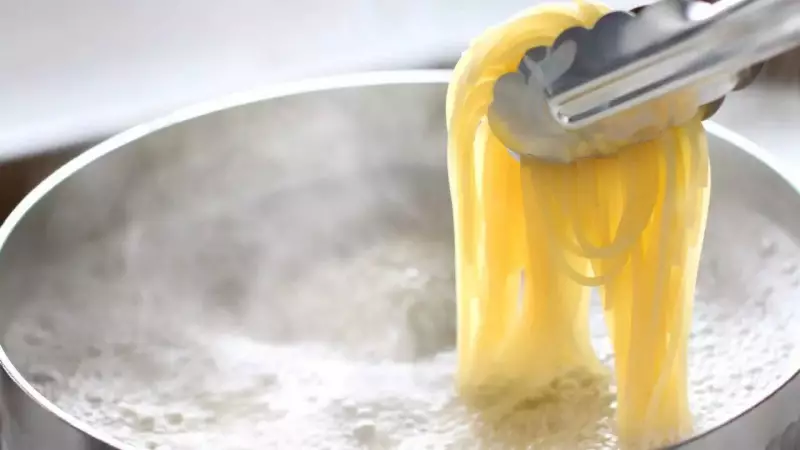
Boiling pasta releases starch into the cooking water. This natural starch creates a slightly sticky exterior on each noodle. That sticky surface acts like glue for your sauce. It helps the sauce coat the pasta evenly. Rinsing cooked pasta with cold water changes everything. The cold water stops the cooking process immediately. More importantly, it washes away that valuable starchy coating. Your pasta becomes slick and smooth. Sauce then struggles to stick to the noodles.

When You Must Avoid Rinsing Pasta
Follow this fundamental rule for any saucy pasta dish. Never rinse your pasta if you plan to toss it with sauce. This applies to tomato sauce, creamy Alfredo, vibrant pesto, and all similar preparations. The starch left on unrinsed pasta provides a textured, adhesive surface. Sauce clings to this surface beautifully. Each bite delivers full flavor as the sauce coats the noodle. Rinsing pasta for these dishes creates problems. Your sauce may turn watery. It might slide right off the noodles. The final dish loses richness and becomes less satisfying.
Helpful Times to Rinse Your Pasta
Certain cooking scenarios actually benefit from rinsing. Knowing these exceptions improves your results.
Cold Pasta Dishes and Salads
Preparing pasta for a cold dish like pasta salad? Rinsing becomes your friend. Pouring cold water over the cooked pasta halts the cooking process instantly. This prevents the noodles from becoming mushy. It also stops them from clumping together as they cool. For cold salads, rinsing ensures the pasta maintains a pleasant, firm texture. It avoids a gummy, sticky consistency that nobody enjoys.
Preventing Sticky Noodles Later
Sometimes you cook pasta ahead of time. Maybe you're preparing for a buffet or making meals in advance. If you won't serve the pasta immediately, consider a quick rinse. Rinsing cooled pasta prevents the noodles from sticking together in a solid mass. Remember to add sauce or a little oil after rinsing to keep them separate.
Asian-Style Noodle Recipes
Many Asian noodle dishes, especially cold noodle recipes, specifically call for rinsing. This step gives the noodles a cleaner, lighter texture. It removes surface starch that might make the dish feel heavy. Always follow the recipe's guidance for these specific preparations.
The Oil in Pasta Water Question
Many cooks add oil to boiling pasta water. This practice is not recommended for most dishes. Oil coats the pasta and creates a barrier. This barrier makes it difficult for sauce to adhere properly. However, adding a small amount of oil at the end can be useful for cold pasta salads. It helps keep the noodles separated and adds a subtle sheen.
Understanding these simple rules transforms your pasta cooking. You'll achieve perfectly sauced dishes every time. Your cold pasta salads will have ideal texture. Remember the core principle: sauce needs starch to stick. Keep that in mind, and your pasta meals will always impress.