

Plastic-Free Kitchen: 11 Sustainable Food Storage Swaps for Eco-Friendly Living
Adopting a greener lifestyle often starts in the kitchen, and one of the most impactful changes you can make is reducing plastic use. While plastics are convenient for keeping food fresh, they are a major contributor to environmental pollution. Fortunately, numerous alternatives exist that not only preserve food quality but also support sustainability. By understanding how different foods respond to storage conditions, you can easily transition to a plastic-free kitchen.
1. Use Glass or Steel Containers for Freezing
When freezing food, opt for glass or steel containers instead of plastic. These materials are more durable, reusable, and free from harmful chemicals that can leach into food. Glass and steel also maintain food quality better, reducing waste and enhancing your kitchen's eco-friendliness.
2. Wrap Beans and Peas in a Damp Cloth
Green vegetables like beans and peas benefit from being wrapped in a damp cloth. This method keeps them hydrated without overwatering. Refrigerating these wrapped vegetables ensures they stay fresh for extended periods, eliminating the need for plastic bags.

3. Keep Celery and Carrots in Water
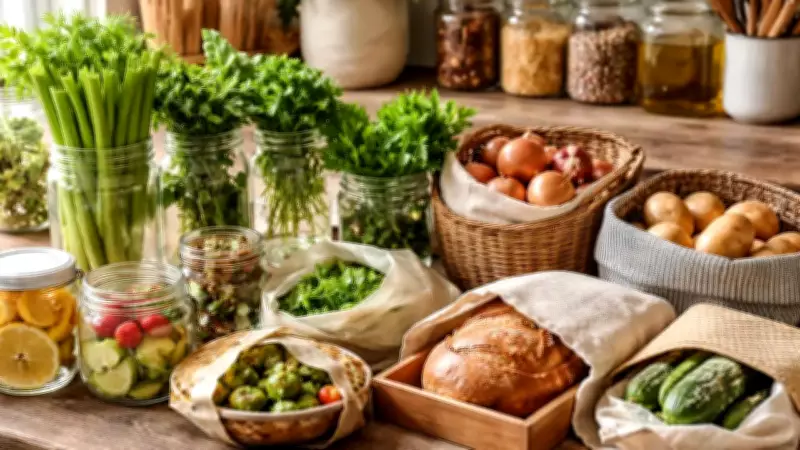
Store celery and carrots by standing them upright in a jar of water. This simple technique keeps the vegetables moist and crisp, preventing them from becoming limp. It's an effective way to prolong freshness without relying on plastic wraps.
4. Wrap Bread in Cloth and Store in a Bread Box
To keep bread fresh longer, wrap it in a cloth and place it in a bread box. The cloth prevents drying, while the box controls air and moisture exposure. This method maintains softness without any plastic involvement.
5. Use Beeswax Wraps
Beeswax wraps are a sustainable alternative to plastic wraps. They are versatile, suitable for covering bowls, fruits, or snacks, and easy to clean. By using beeswax wraps, you significantly cut down on plastic usage while keeping food fresh.
6. Freeze Fruits Like Bananas and Tomatoes
Fruits such as bananas, tomatoes, and stone fruits can be frozen to extend their shelf life. This reduces plastic use and minimizes food waste. Frozen fruits are perfect for making smoothies or sauces later on.
7. Store Leftovers in Jars
Instead of plastic containers, use glass jars or plates covered with lids to store leftovers in the refrigerator. Glass is non-toxic, reusable, and doesn't absorb odors. It also allows you to see the contents easily, helping to reduce food waste.
8. Wrap Lettuce in a Tea Towel
Lettuce stays fresh longer when wrapped in a breathable fabric like a tea towel. This absorbs excess moisture without drying out the leaves. Store the wrapped lettuce in the refrigerator for optimal freshness.
9. Keep Onions and Potatoes in a Dark Basket
Onions and potatoes should be stored in a cool, dark, and well-ventilated place. A basket is ideal as it provides ventilation and prevents moisture buildup. Keep them out of sunlight to avoid sprouting and decay, and store them separately since onions emit gases that can spoil potatoes.
10. Store Herbs in Jars of Water
Treat fresh herbs like flowers by cutting them and placing them in jars filled with water. Depending on the herb type, store them at room temperature or in the refrigerator. This method keeps herbs fresh and prevents wilting.
11. Embrace Overall Sustainable Practices
Beyond specific swaps, adopting a mindset of sustainability in the kitchen involves reusing materials, minimizing waste, and choosing eco-friendly options. By integrating these tips, you contribute to a healthier planet while enjoying fresher food.
In summary, transitioning to a plastic-free kitchen is achievable with simple swaps like glass containers, beeswax wraps, and proper vegetable storage techniques. These methods not only reduce environmental impact but also enhance food quality and support a sustainable lifestyle.

