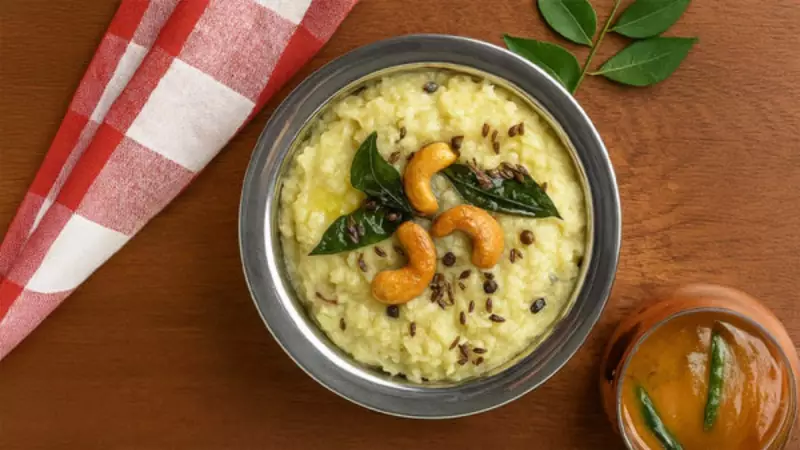
Understanding Pongal: A Festival of Harvest and Food
Pongal marks a joyous harvest celebration in Tamil Nadu, filled with vibrant traditions and delicious food. This festival, typically observed in mid-January, honors the sun god and agricultural abundance. Families come together to cook special dishes, with Pongal being the star of the feast. The term "Pongal" refers not just to the festival but also to the signature rice-based dishes prepared during this time.
Different Types of Pongal Dishes
Pongal dishes vary widely, each offering unique flavors and cultural significance. People prepare several types to suit different tastes and occasions.
- Ven Pongal: A savory and comforting dish made from rice and lentils, often seasoned with ghee, cumin, and black pepper. It serves as a staple breakfast or main course during the festival.
- Sakkarai Pongal: A sweet version cooked with jaggery, rice, and lentils, symbolizing prosperity and happiness. Families enjoy this as a dessert or offering to deities.
- Khara Pongal: A spicy twist on Ven Pongal, incorporating more chilies and sometimes vegetables for added heat and texture.
- Milagu Pongal: Focused on black pepper, this type provides a warming effect, ideal for the cooler winter mornings of the festival period.
How to Make Traditional Ven Pongal at Home
Ven Pongal stands out as a beloved dish for its simplicity and rich taste. Follow this easy recipe to bring the festival spirit into your kitchen.

- Start by rinsing one cup of raw rice and half a cup of split yellow moong dal thoroughly. Soak them in water for about 30 minutes to soften.
- In a pressure cooker, add the drained rice and dal along with four cups of water. Cook for three to four whistles until the mixture becomes soft and mushy.
- While the rice cooks, heat two tablespoons of ghee in a separate pan. Add one teaspoon of cumin seeds, one teaspoon of black peppercorns, and a few curry leaves. Sauté until they release a fragrant aroma.
- Once the rice and dal are cooked, mash them slightly with a ladle. Mix in the tempered spices from the pan, stirring well to combine all flavors.
- Season with salt to taste and add a pinch of asafoetida if desired. Cook on low heat for another five minutes, allowing the ghee to blend in perfectly.
- Serve hot, garnished with more ghee and perhaps some cashews for extra crunch. Ven Pongal pairs wonderfully with coconut chutney or sambar.
Why Pongal Holds Cultural Importance
Beyond its culinary delights, Pongal embodies deep cultural roots. The festival celebrates gratitude for nature's bounty, with each dish reflecting this sentiment. Cooking Pongal in clay pots over open flames remains a common practice, symbolizing purity and tradition. Families often share these meals with neighbors, fostering community bonds. In recent years, urban adaptations have made recipes like Ven Pongal accessible to everyone, preserving heritage while embracing modern kitchens.
As Pongal approaches, trying out these dishes can offer a taste of Tamil culture. Whether you opt for the savory Ven Pongal or the sweet Sakkarai version, each bite tells a story of harvest and harmony. Remember, the key lies in using fresh ingredients and cooking with love, just as generations have done before.