

Viral Social Media Post Unlocks Sabudana's Global Identity as Tapioca Pearls
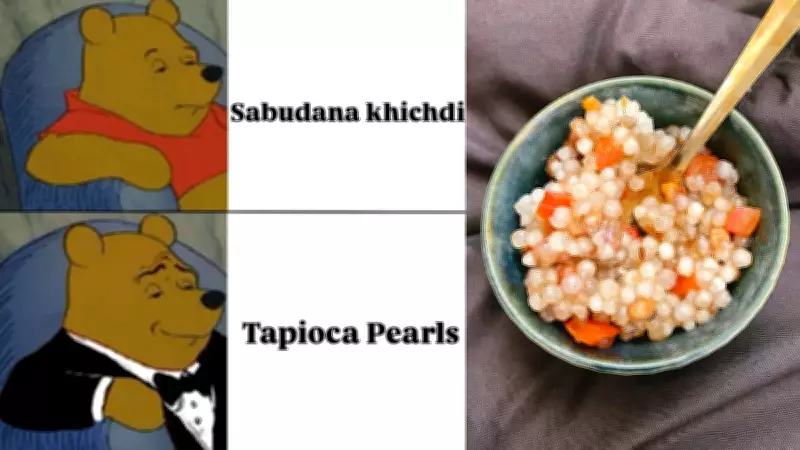
A recent social media post has taken the internet by storm, revealing a surprising culinary fact that left many netizens in stitches. A woman shared a photograph of what she described as 'gorgeous tapioca pearls,' sparking widespread amusement and disbelief among Indian audiences who instantly recognized the dish as their familiar sabudana.
The Hilarious Revelation That Broke the Internet
The viral post, which circulated extensively on platforms like Twitter and Instagram, showcased the small, translucent spheres typically used in dishes like sabudana khichdi or vada. While the original poster presented them as an exotic ingredient called tapioca pearls, Indian users quickly pointed out that this was simply the global name for the humble sabudana they have grown up eating during fasts and everyday meals.
The reaction was immediate and overwhelmingly funny, with countless users admitting they were 'today years old' when they learned this culinary secret. Memes and jokes flooded social media timelines as people shared their amusement at discovering that their traditional ingredient had such a fancy international rebranding.

Why This Food Fact Created Such a Stir
Several factors contributed to the viral nature of this revelation:
- Cultural familiarity: Sabudana holds a special place in Indian cuisine, particularly during religious fasts when it serves as a staple food item.
- Linguistic disconnect: Many Indians had never connected their local sabudana with the globally recognized term 'tapioca pearls.'
- Humor in recognition: The sudden realization that something so ordinary had an exotic alter ego created perfect conditions for viral humor.
The post gained additional traction when Instamart, a grocery delivery service, joined the conversation with a tweet asking if people were aware of these discussions about sabudana. This corporate engagement further amplified the reach of what began as a simple food observation.
The Broader Implications of Food Globalization
This viral moment highlights how globalization affects even the most traditional food items. What appears as an ordinary ingredient in one cultural context can transform into something perceived as exotic or gourmet in another. The sabudana-tapioca pearl connection demonstrates how:
- Traditional foods gain new identities in global markets
- Social media accelerates cross-cultural food discoveries
- Humor often accompanies these moments of culinary recognition
The incident has sparked broader conversations about food terminology and cultural exchange, with many users sharing similar experiences of discovering international names for familiar Indian ingredients. From rajma being called kidney beans to chana becoming chickpeas, the viral post has opened a floodgate of food identity revelations.
As the laughter subsides, this viral moment serves as a reminder of how interconnected our food cultures have become, and how sometimes the most ordinary things can become extraordinary through the simple act of renaming and repositioning in different cultural contexts.

