

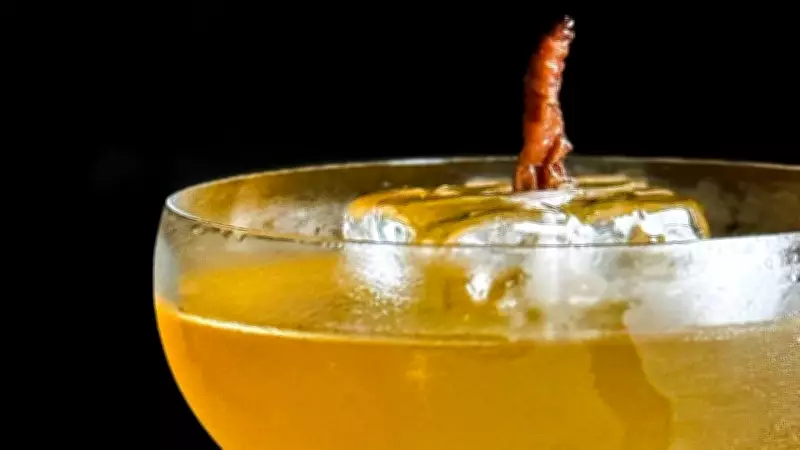
The Rise of Savory Cocktails: A Culinary Revolution in Mixology
In the annals of classic cocktail history, savory concoctions have often been overshadowed by their sweeter counterparts. Traditionally, cocktails were predominantly crafted with sweet palates in mind, particularly those intended for women, leaving little room for the exploration of umami and savory notes. However, a significant shift is underway in the world of mixology, challenging these long-standing conventions and introducing a new era of flavor complexity.
Breaking the Sweet Tradition
For decades, the cocktail landscape was dominated by sugary and fruity profiles, with drinks like the Cosmopolitan and Daiquiri reigning supreme. These beverages were often perceived as feminine and light, reinforcing the stereotype that cocktails should cater primarily to sweet tastes. The concept of incorporating savory elements, such as herbs, spices, vegetables, and umami-rich ingredients, was largely overlooked or dismissed as unconventional.
This historical oversight has led to a lack of diversity in cocktail menus, with many establishments sticking to tried-and-true recipes that appeal to broad, sweet-centric preferences. The absence of savory options meant that drinkers seeking more nuanced and adventurous flavors had limited choices, often resorting to wine or beer instead.

The Umami Awakening in Mixology
In recent years, a culinary revolution has begun to permeate the bar scene, driven by chefs and mixologists who are experimenting with savory ingredients to create innovative drinks. Umami, the fifth basic taste known for its savory, meaty, or brothy quality, is now being harnessed in cocktails to add depth and complexity. Ingredients like tomato, mushroom, soy sauce, and miso are finding their way into shakers, resulting in beverages that challenge traditional notions of what a cocktail should be.
This trend is not just about novelty; it reflects a broader movement towards more sophisticated and food-friendly drinks. Savory cocktails often pair exceptionally well with meals, enhancing dining experiences by complementing dishes rather than clashing with them. For instance, a Bloody Mary, with its tomato-based savory profile, has long been a brunch staple, but modern variations are pushing boundaries with additions like bacon-infused vodka or clam juice.
Redefining Gender Norms in Cocktail Culture
The shift towards savory cocktails also challenges outdated gender stereotypes in the beverage industry. Historically, sweet cocktails were marketed towards women, while stronger, spirit-forward drinks were considered masculine. By embracing savory flavors, mixologists are creating drinks that appeal to all genders, breaking down these artificial barriers and promoting inclusivity.
This evolution encourages drinkers to explore beyond their comfort zones, trying new flavor profiles that might have been previously associated with savory foods rather than beverages. It fosters a more adventurous and open-minded approach to drinking, where personal preference trumps gendered expectations.
The Future of Savory Cocktails
As the demand for unique and experiential dining grows, savory cocktails are poised to become a staple in bars and restaurants worldwide. Mixologists continue to innovate, drawing inspiration from global cuisines and culinary techniques to craft drinks that are both delicious and thought-provoking. From savory gin and tonics with herbal infusions to umami-rich martinis, the possibilities are endless.
This trend signifies a maturation of the cocktail culture, where beverages are treated with the same creativity and respect as food. It encourages a holistic approach to flavor, blending sweet, sour, bitter, and savory elements to create balanced and memorable drinks. As consumers become more educated and curious about what they consume, savory cocktails offer a refreshing alternative to the status quo.
In conclusion, the rise of savory cocktails marks a pivotal moment in mixology history. By moving beyond sweet palates and embracing umami, the industry is not only expanding its flavor repertoire but also challenging societal norms and enhancing the overall drinking experience. This culinary revolution promises to keep evolving, offering exciting new tastes for adventurous drinkers everywhere.

