

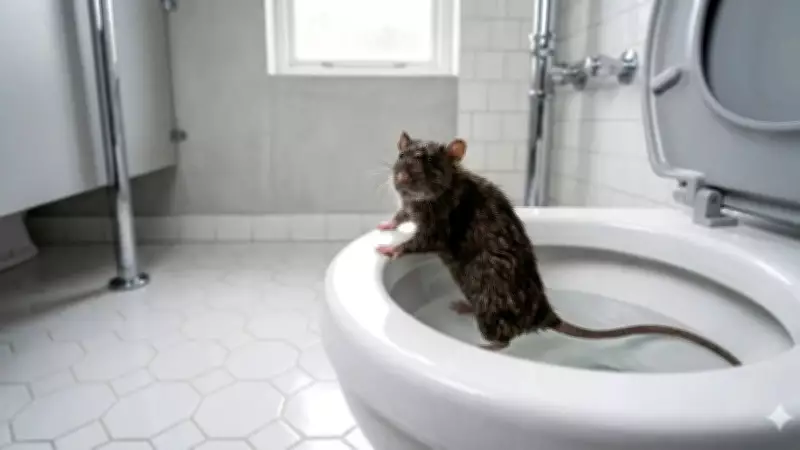
Sewer Rats: The Hidden Threat in Your Home's Plumbing
It might sound like a scene from a horror movie, but the reality is that rats can indeed emerge from drains or toilets in homes connected to sewer systems. These rodents thrive in underground drainage networks, where they find ample food, water, and shelter. Often, homeowners remain unaware of an infestation until they encounter unusual sounds or odors. Understanding the movement patterns of sewer rats, recognizing early warning signs, and knowing why they invade homes can empower you to address issues promptly and effectively.
What Are Sewer Rats?
Sewer rats, typically brown rats, inhabit warm, food-rich underground sewer systems. They are excellent swimmers, capable of navigating water-filled pipes with ease. These rats can hold their breath for several minutes and travel significant distances in search of sustenance. Their adaptability allows them to use sewer networks as highways, moving stealthily from one location to another.
Can Rats Really Come Up Through Toilets?
Yes, it is possible, though such incidents are relatively rare. Toilets are connected to main sewer lines via pipes, creating potential pathways from underground systems into residential spaces. Rats can infiltrate these pipes, swimming through water-filled sections and squeezing through narrow openings due to their flexible bodies. They generally avoid prolonged exposure to water, preferring dry or partially wet pipes and only traversing aquatic sections when necessary.

How Sewer Rats Enter Drains and Homes
When seeking food or shelter, rats often exploit drainage systems to gain entry into homes. They primarily access residential areas through interconnected sewer pipes if an open path exists. Additionally, rats can fit through tiny cracks and holes in pipes or joints, and some may enter via roof vent pipes before descending into the plumbing. Food scarcity in sewers drives them to explore new environments, with homes offering easy access to food waste and trash becoming prime targets.
Signs of Sewer Rats in Drains
Warning signs often precede a direct sighting of rats. Unusual sounds, such as scratching, squeaking, or movement within walls, floors, or pipes, can indicate activity. Strong, unpleasant odors from droppings, urine, or deceased rodents may emanate from the system. Slow or blocked drains, accompanied by gurgling sounds, can result from rats or nesting materials obstructing pipes. Visible droppings near sinks or floor drains, along with gnaw marks on pipes or wires, serve as clear indicators of an infestation.
Why Sewer Rats Come Into Houses
Rats do not enter homes arbitrarily; their incursions are driven by basic needs. They seek food sources, shelter from harsh conditions, and warmer indoor environments. Access is facilitated by broken pipes or open spaces, and overcrowded sewers often force rats to seek alternative habitats, making connected homes vulnerable targets.
Are Sewer Rats Dangerous?
Sewer rats pose significant risks to both health and property. They can spread bacteria and diseases, contaminate surfaces and water supplies, and damage wires, pipes, and building materials through gnawing. Beyond physical harm, encountering a rat in unexpected places, like a toilet, can cause safety concerns and psychological distress for residents.
What to Do If You Suspect Rats in Drains
If you notice any signs of rat activity, it is crucial to act cautiously. Limit use of affected drains, keep toilet lids closed when not in use, and avoid attempting to block pipes independently. Instead, contact trained professionals to conduct a thorough inspection of your drainage system and recommend appropriate solutions.
How to Reduce the Risk
Implementing simple preventive measures can help deter rats from entering your home through drains. Repair any broken pipes or cracks promptly, seal food waste securely, ensure unused toilets have continuous water flow to maintain barriers, and seal holes around plumbing lines. These steps reinforce the natural separation between your home and the sewer system, minimizing the likelihood of infestations.

