

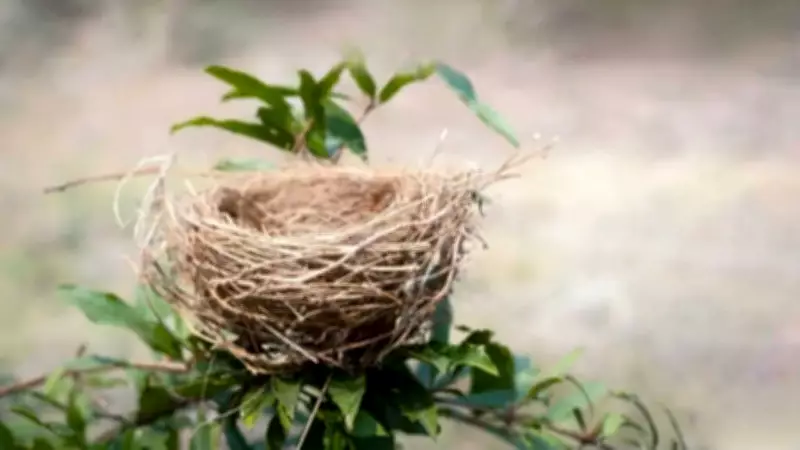
As cities become increasingly congested and green spaces start to vanish, it has become very difficult for several bird species to find suitable areas for nesting. One way in which we can make our homes bird-friendly and ensure the survival of local species in urban areas is through bird gardening. Such gardens usually consist of sufficient food, water, shelter, and safe areas for nesting and tend to attract various small birds gradually. Gardening experts suggest that, rather than forcing birds to nest, creating a bird-friendly environment would encourage birds to come to our gardens naturally. The use of specific plants, nest areas, and bird gardening practices will allow even terraces and balcony gardens to attract different types of visiting birds easily. Here are six simple ways to create a nest-friendly garden for birds.
Plant Dense Bushes and Native Trees for Natural Nesting Areas
Since birds prefer nesting in places that will give them protection against predators, adverse weather conditions, and continuous disturbances from humans, dense bushes, native trees, and tall bushes will create better nesting and hiding spots for birds compared to decorative gardens. Hibiscus, jasmine, bamboo, ixora, and fruit-bearing native trees are known to attract smaller birds. Since birds are already familiar with the native plants of an area, they tend to find them more attractive.
Maintain a Source of Clean Water Always
Water is one of the most important factors in encouraging the presence of birds in gardens. Especially during the summer months in India, birds actively look for clean water sources for drinking and bathing purposes. Small bird baths, ceramic water containers, or large bird baths kept in the shade encourage the regular presence of sparrows, bulbuls, mynas, and other types of local birds. The experts usually suggest changing the water sources on a daily basis to maintain hygiene.

Avoid Excessive Use of Pesticides and Chemicals
Excessive use of pesticides and insecticides reduces the number of worms and other insects that birds need to feed themselves as well as their young ones. Chemicals used in gardens may inadvertently affect birds through contaminated insects or water. Therefore, a bird-friendly garden focuses on maintaining an equilibrium in ecosystems rather than getting rid of pests and insects. This allows the outdoor environment to stay healthy and safe for birds.
Ensure Availability of Nesting Material Around the Garden
Several kinds of birds make nests using twigs, coconut fibre, dried grass, and other similar materials found naturally in outdoor surroundings. To assist birds in nest building, gardeners can leave out natural materials around the garden rather than removing everything. Small bunches of coconut fibre left in a quiet corner or dry grass left around can be beneficial to birds. Experts discourage the use of synthetic threads for nests due to dangers involved.
Install Bird Boxes or Birdhouses in Quiet Places
If birdhouses are installed in peaceful outdoor areas, they can help to attract particular species of birds. Nest boxes made of wood fixed close to trees, on balconies, or on sheltered walls can be helpful for nesting since natural cavities are rare in urban environments. Experts generally recommend installing birdhouses in shaded, sunny, or wet areas, depending upon the type of bird. Birds may take some time to accept new nesting places.
Maintain a Peaceful Environment in the Garden
Birds are more attracted to gardens that provide consistent protection against any possible threats. Noise, movement, pet birds, and interference with the nests can prevent birds from nesting. Experts usually recommend observing nests at a distance rather than disturbing eggs and young ones. Maintaining gardens in a peaceful manner can make them more attractive for birds in due course of time.

Disclaimer
This article is for general informational and wildlife awareness purposes only. Bird nesting behaviour may vary depending on species, climate, habitat availability, seasonal conditions, and local environmental factors. Installing birdhouses or providing food and water does not guarantee nesting activity. Readers are advised not to disturb nests, eggs, or chicks, as many bird species are protected under wildlife laws. For injured birds, abandoned nests, or wildlife-related concerns, contact local forest departments, wildlife rescue organizations, or authorized animal care professionals for guidance.
