

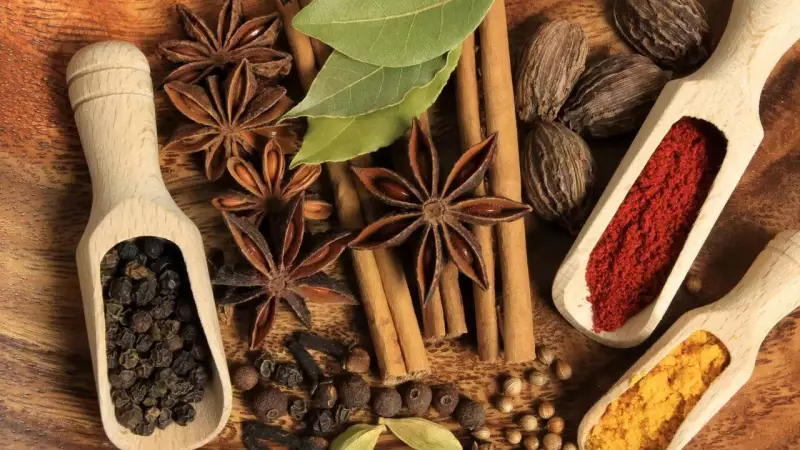
For countless Indian kitchens, spices are the very soul of cooking, defining the taste, aroma, and essence of every dish. Beyond culinary uses, they hold a sacred place in rituals, home remedies, and the ancient science of Ayurveda. Yet, a common misconception lingers in many households: the belief that spices, once bought, last indefinitely. The truth is, while they may not 'rot' like perishables, spices do lose their magic over time, becoming stale and ineffective.
The Hidden Truth About Spice Shelf Life
Contrary to popular belief, spices do not last forever. The notion that they never go bad is a myth. Whole spices, when kept in perfectly dry conditions, may not spoil easily, but they are far from immune to degradation. Exposure to their four main enemies—heat, light, air, and moisture—over extended periods can cause them to become stale, develop a flat taste, turn musty, or even become slightly rancid.
When stored correctly, many whole spices can retain their robust flavour for about 2 to 4 years. Beyond this period, their potency noticeably weakens. In cases of very old or poorly stored spices, you might encounter clear warning signs like a foul odour, clumping, visible insect activity, or mould growth. Any spice showing these signs should be discarded immediately for safety.

How to Check Your Spice Freshness at Home
You don't need a lab to audit your spice drawer. Three simple sensory tests—look, smell, and crush—can tell you everything you need to know.
First, examine them visually. Fresh whole spices retain their vibrant colour: cardamom pods should be green, chillies a bright red, and peppercorns shouldn't look faded. A dull, pale, or unevenly discoloured appearance is a strong indicator of age.
Next, take a small pinch and rub or lightly crush it between your fingers, then inhale deeply. Fresh spices will release an immediate, strong, and characteristic aroma. If you have to struggle to detect the smell or if it simply smells like dust, the spice is past its prime.
Finally, for a conclusive test, taste a tiny piece. You should experience an instant hit of flavour, warmth, or pungency. If it tastes bland, flat, or woody, it's definitely time for a replacement.
Best Practices to Extend the Life of Your Spices
Protecting your spices from their environmental enemies is key to longevity. Always store them in airtight containers, preferably made of glass or high-quality plastic with tight-fitting lids. The ideal storage spot is a cool, dark cupboard—never next to the stove, on a sunlit windowsill, or above the refrigerator where heat accumulates.
Avoid keeping spices in transparent plastic bags or jars directly exposed to sunlight, as this accelerates the loss of colour and flavour. If you buy spices in plastic pouches, make it a habit to transfer them to more suitable jars. Always use a dry spoon to scoop them out and close the lid immediately after use.
A practical kitchen rule is to remember that most whole spices are at their peak for 2–3 years from purchase if stored well, while ground spices lose their punch much faster, often within 6–12 months. A smart tip is to label your jars with the purchase date. If you find yourself using increasingly larger quantities to achieve the same flavour, or if your tempering (tadka) lacks its usual vibrant aroma, consider it a signal to refresh your stock. Make it a routine to audit your spice collection every six to twelve months, keeping only what still smells and tastes alive.






