How to Spot Chemically Ripened Bananas: A Guide for Indian Consumers
Bananas rank among India's most popular fruits. People eat them daily across the country. However, many bananas sold in markets undergo artificial chemical ripening. This practice is widespread because bananas are typically harvested while still green. They travel long distances before reaching local vendors. To speed up the process and meet demand, traders often use artificial agents. These chemicals make bananas turn yellow quickly, creating the appearance of ripeness.
The Problem with Forced Ripening
Naturally ripened bananas develop slowly. They release ethylene gas, which converts starch into sugar. The fruit softens evenly from the inside out. Markets, however, prioritize speed. Sellers want bananas to look ready for sale within a day or two. Some resort to chemicals like calcium carbide or high-concentration ethylene sprays.
Calcium carbide poses particular risks. It reacts with moisture to produce acetylene gas. This gas forces the peel to yellow without proper internal maturation. The banana looks ripe on the outside but remains underdeveloped inside. This mismatch affects taste, texture, and digestion. While regulated methods exist, illegal or careless chemical use can impact health. Learning to identify artificially ripened bananas helps consumers make safer choices.

Visual Clues: Color and Appearance
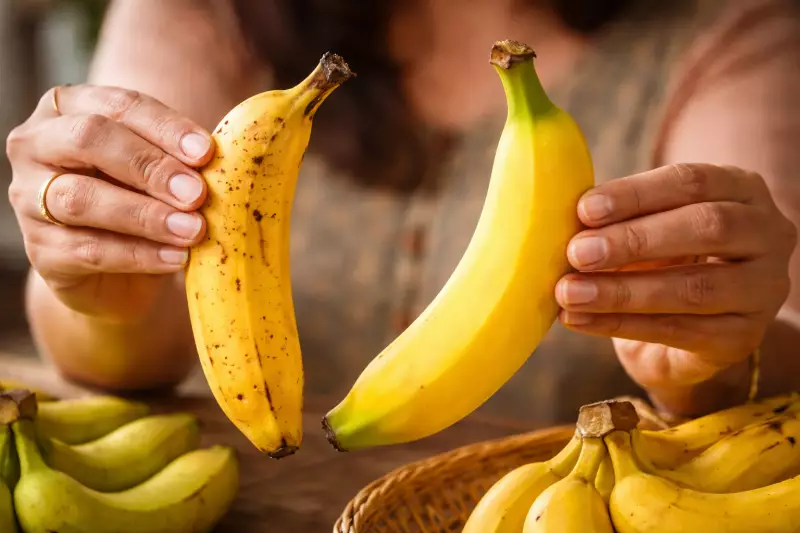
The color of a banana provides the first indication of its ripening process. Naturally ripened bananas never display a flat, uniform yellow. They develop tiny brown speckles known as sugar spots over time. These spots appear as natural sugars increase within the fruit.
Chemically ripened bananas often look unnaturally bright. They show an even, sometimes neon yellow hue. You might notice a green tinge at the tips. The peel may appear shiny or plastic-like. It lacks the characteristic sugar spots because the ripening process was rushed. If a banana looks too perfect and uniformly yellow, consider it a warning sign.
Texture and Peel Characteristics
Gently rub the banana peel to assess its texture. Naturally ripened bananas have slightly dull, soft skin. It feels alive and flexible. Chemically treated bananas often feel smooth, slippery, or overly waxy. The peel may seem thick and stiff rather than thin and supple.
Peeling behavior offers another clue. A naturally ripened banana peels easily and cleanly. Chemically ripened fruit often tears unevenly. It might resist peeling, indicating that the inside has not matured properly alongside the outer skin.
The Importance of Smell
Real bananas emit a warm, sweet, slightly floral aroma. This fragrance comes from the natural breakdown of starch into sugar. It is especially noticeable near the stem. Chemically ripened bananas often smell faint, grassy, or oddly chemical. Some have almost no smell at all, which is unnatural for a ripe fruit.
Always sniff near the top of the banana. If you detect no distinct banana fragrance, the ripening was probably forced. Your nose can tell you what your eyes might miss.
Examining the Stem
Look closely at the banana stem. A naturally ripened banana has a dry, slightly shriveled stem. In chemically ripened bananas, the stem often remains bright green or unnaturally fresh. Meanwhile, the rest of the fruit appears yellow.
This mismatch occurs because only the peel was forced to change color. The inside, including the stem area, did not mature properly. If the banana looks ripe but the stem looks freshly cut and green, exercise caution.
Internal Texture and Flavor
Break a banana open to inspect its inside. A naturally ripened banana is creamy, evenly soft, and slightly moist. Chemically ripened bananas often feel dry, chalky, or hard near the center. Some have a rubbery texture.
The flavor usually lacks depth. It might taste bland or oddly sweet without the rich, natural banana taste. This happens because forced ripening does not allow starch to convert properly into natural sugars. The banana changes color but not its internal chemistry.
How Your Body Reacts
Many people experience bloating, acidity, or throat irritation after eating chemically ripened bananas. This is not psychological. Artificial agents can irritate the digestive lining, especially when fruit is consumed on an empty stomach.

If bananas often make you feel uncomfortable, the quality of ripening may be the reason. Paying attention to your body's signals can guide you toward better choices.
Reducing the Risk
Buying slightly green bananas and letting them ripen at home is the safest option. Keep them in a paper bag or near apples to allow natural ethylene to work. Avoid bananas that look too perfect or unnaturally yellow.
Local, smaller vendors often sell more naturally ripened fruit than large, high-speed supply chains. However, this is not always guaranteed. Developing a keen eye for the signs discussed here empowers you to select healthier bananas.
By understanding these clues, Indian consumers can protect their health and enjoy bananas as nature intended. Stay vigilant and choose wisely for a better eating experience.