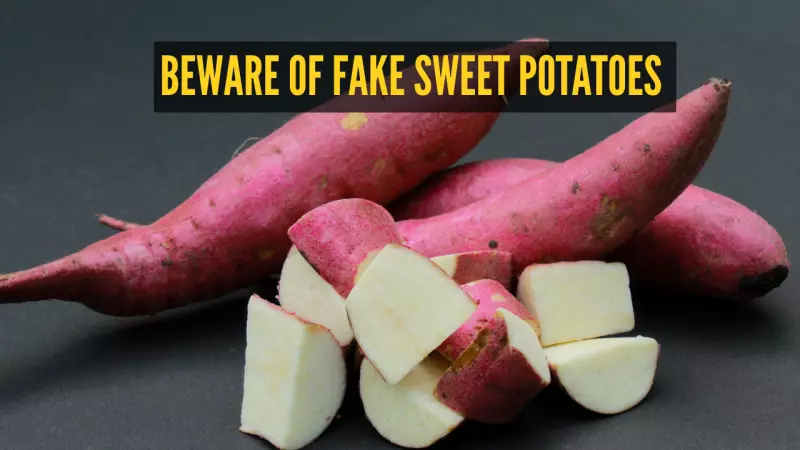
Fake Sweet Potatoes in Markets: A Growing Health Concern
Sweet potatoes have surged in popularity as a nutritious root vegetable. People enjoy them from breakfast to dinner. Nutritionists and dietitians often recommend them as a healthier alternative to regular potatoes. However, this rising demand has led to a troubling trend. Markets now see an influx of fake or adulterated sweet potatoes.
Dangerous Adulterant: Rhodamine B
The Food Safety and Standards Authority of India (FSSAI) warns about a specific adulterant. Sweet potatoes are frequently mixed with Rhodamine B. This synthetic chemical dye is common in textiles, paper, inks, and laboratories. It is not safe for human consumption. FSSAI states clearly that Rhodamine B should never enter the food chain. Consumption poses severe health risks, including cancer and organ damage.
Simple Home Test to Check Sweet Potato Purity
FSSAI provides an easy four-step method to test sweet potatoes at home. Anyone can perform this test with basic household items.

- Take a cotton ball and soak it in water or vegetable oil.
- Rub the cotton ball firmly on the outer surface of the sweet potato.
- Observe the cotton ball. If the sweet potato is pure, the cotton will not change color.
- If the sweet potato is adulterated with Rhodamine B, the cotton ball will turn a reddish-violet color.
This quick test helps consumers avoid contaminated produce and protect their health.
Nutritional Power of Sweet Potatoes
According to the USDA, 100 grams of boiled sweet potato offer substantial nutrients. It provides 80-86 calories, 20.1 grams of carbohydrates, and 4.2 grams of sugar. The fiber content is 4 grams, and protein is 1.6 grams. Fat is minimal at 0.1 grams. Vitamins and minerals are abundant. You get 709 micrograms of vitamin A, 2.4 milligrams of vitamin C, 337 milligrams of potassium, and 30 milligrams of calcium.
Health Benefits Backed by Science
Sweet potatoes are rich in vitamin A and powerful antioxidants like anthocyanins and carotenoids. These compounds help neutralize harmful free radicals in the body. They reduce oxidative stress, which may lower the risk of chronic diseases. Studies link sweet potato consumption to reduced risks of cancer, cardiovascular diseases, and diabetes.
Purple sweet potatoes, in particular, show promise for blood glucose regulation. They impact hepatic glucose metabolism. When boiled, sweet potatoes have a relatively low glycemic index. This makes them an excellent carbohydrate choice for managing blood sugar levels.
6 Easy and Delicious Sweet Potato Dishes
Once you ensure your sweet potatoes are pure, try these simple recipes. They turn this versatile vegetable into tasty meals and snacks.
1. Sweet Potato Chips
Slice sweet potatoes into thin discs. You can air-fry, deep-fry, or microwave them until crisp. These chips make a healthy and satisfying munchie.
2. Sweet Potato Stew
Boil sweet potato pieces until tender. Dunk them in a flavorful gravy made from tomato, onion, tamarind, jaggery, and spices. This stew is comforting and nutritious.
3. Roasted Sweet Potato
Cut sweet potatoes into bite-size pieces. Toss them in oil and your favorite ground spices. Roast until the pieces become crisp and crunchy on the outside.
4. Honey-Cinnamon Sweet Potato
Boil sweet potatoes first. Then pan-toss them in a delightful mixture of honey, oil, salt, pepper, and cinnamon powder. This snack offers a perfect balance of sweet and spicy flavors.
5. Stuffed Sweet Potato
Create a satiating dish by stuffing sweet potatoes. Use a filling of cheese, black beans, corn, and avocado. It's a complete meal packed with nutrients.
6. Loaded Sweet Potato Skin
Air-fry sweet potato skins until crispy. Load them with roasted and mashed sweet potatoes. Season with cheese, bacon, salt, pepper, milk, and oil for a decadent treat.
Always remember to verify the purity of your sweet potatoes before cooking. This simple step ensures you enjoy all the health benefits without any risks.