

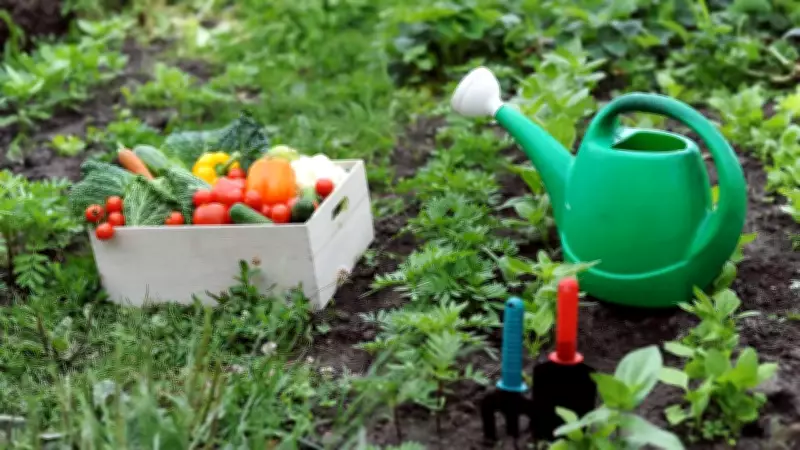
How to Start a Kitchen Garden in Limited Space: A Complete Guide for Urban Dwellers
Embarking on the journey of starting a kitchen garden in a small space is an incredibly rewarding experience that allows you to cultivate your own fresh, chemical-free, and nutritious produce right at home. Whether you reside in a compact apartment or have a modest balcony, terrace, or even a sunny windowsill, you can successfully grow your favorite herbs and vegetables. With strategic planning and innovative space utilization, you can transform any limited area into a vibrant and productive green oasis.
This comprehensive guide provides practical, actionable steps to help you establish and maintain a thriving kitchen garden, ensuring a sustainable and fulfilling gardening adventure.
Choose the Optimal Location for Sunlight Exposure
First and foremost, select a location that receives a minimum of 4 to 6 hours of direct sunlight daily. Ideal spots include balconies, terraces, or windows facing south or east, as these orientations typically offer the best light conditions. Sunlight is the most critical factor for plant growth, so it is essential to observe your space over several days to accurately assess light patterns before finalizing your garden's placement.

Select Suitable Containers with Proper Drainage
In confined spaces, containers play a pivotal role in gardening success. Utilize pots, grow bags, hanging baskets, or other vessels equipped with drainage holes to prevent waterlogging. Choose container sizes based on the specific plants you intend to grow; for instance, shallow pots are excellent for herbs like mint and coriander, while larger containers are necessary for vegetables such as tomatoes and peppers.
Pick Easy-to-Grow Plants for Beginners
For those new to gardening, starting with resilient and low-maintenance plants is advisable. Excellent choices include coriander, mint, spinach, tomatoes, chillies, and lettuce, all of which can flourish in limited spaces. As your confidence and experience grow, you can gradually expand your garden to include a wider variety of plants, enhancing both diversity and yield.
Use High-Quality Soil and Organic Compost
Soil serves as the foundation of a healthy kitchen garden. Employ a balanced mixture of garden soil, organic compost, and cocopeat to ensure adequate aeration and nutrient availability for plant roots. Compost, being organic, is particularly beneficial as it enriches the soil naturally, promoting robust growth while keeping your produce free from harmful chemicals.
Practice Vertical Gardening to Maximize Space
Make the most of your available area by incorporating vertical gardening techniques. Utilize wall planters, shelves, or trellises to grow plants upwards, which is especially effective for climbers like beans and cucumbers. This approach not only conserves valuable floor space but also adds an aesthetic dimension to your garden, creating a visually appealing green wall.
Water Wisely to Maintain Plant Health
Container plants require consistent watering, but it is crucial to avoid overwatering, which can lead to root rot and other issues. Water your plants during the early morning or late evening to minimize evaporation and ensure optimal absorption. Always check that excess water drains properly, maintaining a delicate balance to keep plants hydrated without becoming waterlogged.
Ensure Regular Care and Maintenance for Optimal Yield
Regular pruning, weeding, and pest control are essential for sustaining a healthy kitchen garden. These practices help prevent diseases, encourage growth, and maximize productivity, even in small spaces. By dedicating time to routine care, you can enjoy a bountiful harvest and a lush, thriving garden throughout the growing season.
In conclusion, establishing a kitchen garden in limited spaces is not only feasible but also immensely satisfying. By adopting the right strategies—selecting appropriate plants, containers, and maintenance routines—you can achieve a productive garden that enhances your lifestyle with fresh, homegrown food and a greener environment.

