The Microwave Cleaning Dilemma: A Common Household Struggle
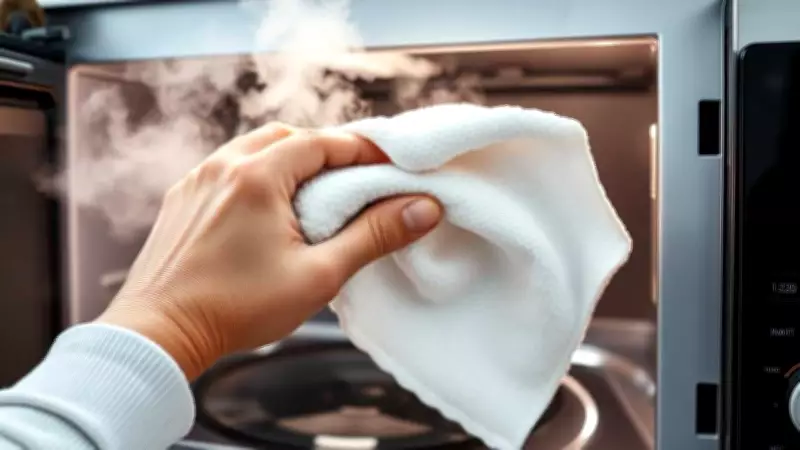
We have all faced that frustrating moment: opening the microwave door to find it splattered with dried soup or spaghetti sauce from a previous meal. This unsightly mess often leads to a tedious, twenty-minute cleaning session involving harsh chemical sprays that leave the kitchen smelling like a lab. However, a clever and increasingly popular solution is emerging, especially among those caring for family at home. Simply place a wet towel in the microwave for one minute, and the hardened crusts become soft and easy to wipe away.
The Science Behind Steam: Why This Method Works So Effectively
The magic of this technique lies in the physical properties of steam. When a damp towel is heated in the microwave, water molecules vibrate intensely, reach boiling point, and generate steam. This steam penetrates the enclosed space, seeping into dried food particles that have accumulated from repeated heating. Instead of battling grime with force, you are essentially rehydrating it. While it sounds simple, there is solid scientific reasoning behind why steam is so effective at breaking down organic matter.
Chemistry of Cleaning: How Steam Outperforms Traditional Scrubbing
Have you ever wondered why some food residues stubbornly cling to surfaces? It often involves bonds formed between carbohydrates and proteins. A study titled "Microwave Heating for Solubilization of Polysaccharide and Polyphenol from Soybean Residue" explains this on a molecular level. The research highlights that microwave energy uniquely breaks down tough organic components like polysaccharides, which are common in everyday foods. By using steam as an energy carrier, you dissolve these "glues" that hold food to microwave walls.

This is not just a surface-level fix; steam acts as a penetrating agent, reaching crevices inaccessible to sponges. As steam fills the cavity, it creates an enclosed pressure system that allows moisture to infiltrate tough stains. Compared to conventional methods, this approach is time-efficient, energy-saving, and provides a healthier, more environmentally friendly alternative to chemical cleaners, ensuring a hygienic cooking environment.
A Healthier Approach for Your Most-Used Appliance
Beyond saving effort, steam cleaning enhances hygiene and sanitation. Leftover food residues can become breeding grounds for microbes if ignored. Research published in Molecules indicates that steam cleaning significantly reduces microbial activity on domestic surfaces. Using a natural method is crucial for an appliance used in food preparation, as harsh chemicals may leave residues or emit toxic fumes when the microwave is reused. The damp cloth method keeps your cooking space chemical-free.
This preventative measure helps avoid tough deposits that can build up in hinges and seals of older units. By maintaining a clean interior, you reduce the risk of biofilm formation, which protects harmful materials. To maximize this routine, soak a clean cotton cloth in water until dripping, place it in the microwave center, and heat on high for about 90 seconds. After the cycle, let it sit for another minute with the door closed to allow steam to work fully.
Be cautious of the hot air blast when opening the door. Then, use the heated cloth to wipe down the walls—even the toughest marks will come off easily. This method is inexpensive, scientifically backed, and ensures your appliance functions optimally.