

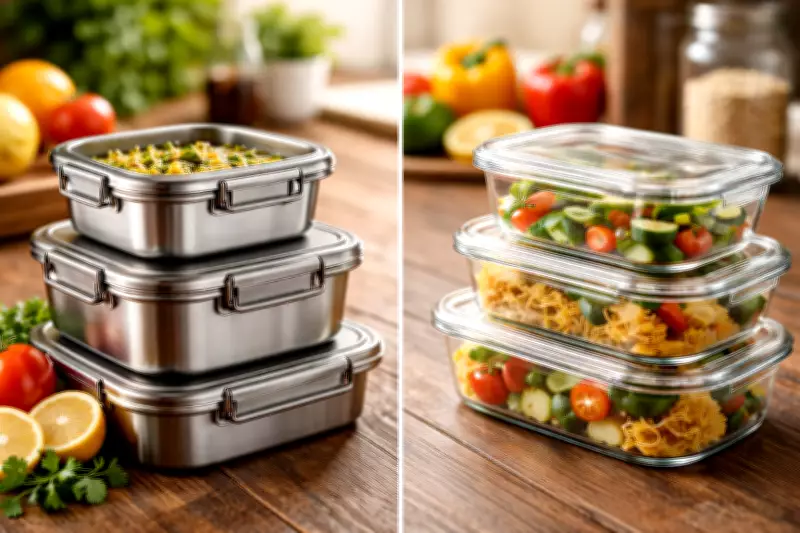
Steel vs Glass Food Containers: A Complete Safety and Convenience Guide
Selecting appropriate food storage solutions represents more than just a routine household decision—it stands at the intersection of health preservation, established habits, and long-term wellness. In contemporary Indian kitchens, traditional stainless steel dabbas coexist alongside modern glass jars and airtight meal-prep containers, each claiming superior freshness and safety benefits. This discussion has evolved beyond simple tradition versus modernity debates to encompass critical considerations including chemical leaching potential, heat resistance capabilities, staining tendencies, odor retention properties, and breakage risks.
The Rising Importance of Container Choices
As increasing numbers of households embrace practices like reheating leftovers, batch-cooking meals, and transitioning toward plastic-free storage alternatives, container selection has gained unprecedented significance. The growing awareness about food safety and chemical exposure has transformed what was once a mundane choice into a thoughtful decision impacting daily nutrition and long-term health outcomes.
Stainless Steel Containers: Durable, Portable, and Time-Tested
Stainless steel containers have maintained their presence in Indian kitchens across multiple generations, long before BPA-free became a common marketing term. Their enduring popularity rests upon three fundamental attributes: exceptional durability, chemical neutrality, and superior portability characteristics.

Safety Profile of Stainless Steel
High-quality food-grade stainless steel—typically marked as 304 or 18/8 classification—demonstrates non-reactive properties with most food substances. This essential characteristic ensures that containers do not leach chemicals into curries, dals, rice preparations, or stored leftovers during normal usage conditions. Unlike numerous plastic alternatives, stainless steel contains no BPA or phthalates, making it particularly appealing for individuals seeking to minimize chemical exposure in their dietary practices.
Stainless steel exhibits natural resistance to bacterial growth when maintained with proper cleaning protocols. The material does not readily absorb food odors, cooking oils, or persistent stains, with thorough washing typically restoring containers to their original neutral state.
Practical Advantages for Daily Use
The most significant strength of stainless steel lies in its remarkable resilience. These containers withstand accidental drops, tolerate stacking in overfilled bags, endure daily commuting conditions, and survive backpack transportation without cracking or breaking. This durability makes stainless steel the natural selection for lunchboxes, travel meals, school tiffins, and outdoor picnic scenarios.
Compared to heavier glass alternatives, stainless steel containers offer substantially lighter handling and easier packing characteristics. Most contemporary designs incorporate snug-fitting, leak-resistant lids that perform reliably during transportation and regular kitchen use. For households practicing batch cooking, outdoor dining, or daily packed lunch preparation, stainless steel consistently proves to be the most practical, low-maintenance option available.
Limitations and Considerations
Stainless steel containers present certain limitations that require acknowledgment. Their non-transparent nature necessitates lid removal for content inspection—a minor but persistent inconvenience during refrigerator organization. Additionally, stainless steel lacks microwave compatibility, requiring food transfer to alternative dishes for reheating purposes.
A more subtle concern involves highly acidic food items including tomato-based gravies, citrus-dressed salads, or vinegar-rich pickles. These substances may potentially react with lower-quality stainless steel during extended storage periods, occasionally affecting flavor profiles. While high-grade stainless steel significantly reduces this risk, many experienced cooks prefer avoiding prolonged storage of acidic dishes in metal containers when preserving optimal freshness and taste represents the primary objective.

Glass Containers: Transparent, Chemically Inert, and Modern
Glass containers have experienced a substantial resurgence in contemporary kitchens, particularly among households actively reducing plastic usage. Their appeal largely stems from the perceived cleanliness and effortless visibility they provide—enabling immediate identification of leftovers, spices, or soaked grains without requiring lid removal.
Safety Characteristics of Glass
Food-grade glass earns its reputation through complete chemical inertness. The material demonstrates no reactivity with acidic curries, salty pickles, or spice-intensive dishes, while simultaneously resisting odor absorption, staining, or color retention from previous contents. From a pure safety perspective, this neutrality establishes glass as the benchmark storage material, featuring no coatings that might deteriorate over time and no hidden additives capable of migrating into stored foods.
Many modern glass container designs accommodate direct transitions from refrigerator to microwave or even conventional oven environments—provided lids are removed or confirmed as heat-safe. This flexibility simplifies leftover reheating processes while maintaining original flavor integrity.
Functional Superiority in Specific Applications
The immediate visibility advantage offered by glass containers represents an underappreciated benefit that significantly enhances refrigerator organization efficiency, reducing instances of forgotten containers accumulating in rear sections. Glass performs exceptionally well for gravies, chopped fruits, fermented foods, and leftovers intended for consumption within several days.
For individuals emphasizing clean eating principles and material neutrality, glass frequently emerges as the preferred choice for routine storage requirements.
Practical Drawbacks and Maintenance Considerations
Fragility remains the most apparent limitation of glass containers. A single accidental drop from counter height can result in cracks or complete breakage incidents. Even reinforced tempered or borosilicate glass variants remain vulnerable to accidents in active kitchen environments.
Weight represents another practical concern—glass containers demonstrate noticeably heavier characteristics than stainless steel alternatives, reducing convenience for daily commuting, lunch transportation, or travel scenarios. Lid maintenance presents additional considerations: while glass maintains chemical neutrality, accompanying plastic or silicone lids may gradually stain, warp, or retain strong food odors over extended periods, necessitating extra cleaning attention and eventual replacement.
Comprehensive Safety Comparison: Steel Versus Glass
Chemical Safety Assessment
When evaluating pure chemical safety parameters, glass maintains a slight advantage due to its complete inertness, even during prolonged storage of acidic food items. Stainless steel, however, demonstrates highly safe performance when utilizing food-grade materials and proper maintenance protocols, substantially outperforming many traditional plastic container alternatives.
Physical Safety Evaluation
From a physical safety perspective, stainless steel emerges as the superior option. Its shatter-resistant properties eliminate risks associated with sharp glass fragments—a particularly important consideration in households with children or fast-paced kitchen environments.
Hygiene and Maintenance Comparison
Both materials demonstrate equivalent hygiene performance characteristics. Their non-porous surfaces facilitate thorough cleaning with hot water and standard detergents, ensuring proper sanitation maintenance.
Daily Convenience Analysis
Daily convenience factors depend significantly on individual lifestyle patterns:
- Commuters and school lunch preparation typically favor stainless steel containers
- Home storage, meal preparation, and reheating scenarios generally prefer glass alternatives
Defining the Safest Food Storage Solution
If safety evaluation focuses exclusively on material interaction with food over extended periods, glass typically achieves superior ratings—particularly for acidic curries or dishes requiring multi-day storage. However, real-world kitchen environments differ substantially from laboratory conditions. Containers experience accidental drops, bag compression, crowded cupboard storage, and hurried reheating scenarios. Under these practical circumstances, well-constructed stainless steel demonstrates remarkable reliability and consistent performance.
Rather than approaching container selection as a competitive choice, experienced culinary practitioners frequently implement complementary strategies: glass for home storage and reheating applications, combined with stainless steel for mobile meals and daily transportation requirements. Ultimately, the healthiest storage solution corresponds to individual routines—easily cleanable, free from structural damage, and constructed from reliable food-grade materials. Consistent maintenance practices prove equally important as container selection itself, ensuring long-term food safety and preservation quality.
