Nature's Surprising Exception: The Fruit with External Seeds
When we picture fruits, we typically imagine seeds tucked safely inside. Apple cores hide their seeds, mangoes conceal them in large pits, and oranges bury them within juicy segments. Nature, however, loves to break the rules. One famous fruit completely flips this concept by displaying its seeds openly on the surface. This isn't just a quirky plant characteristic. It actually gives the fruit a significant reproductive advantage and enhances its ecological impact. Understanding such unique traits deepens our appreciation for nature's incredible diversity and clever adaptations. Let's explore this remarkable fruit and uncover what makes it stand out in the botanical world.
Strawberries Claim the Spotlight with External Seeds
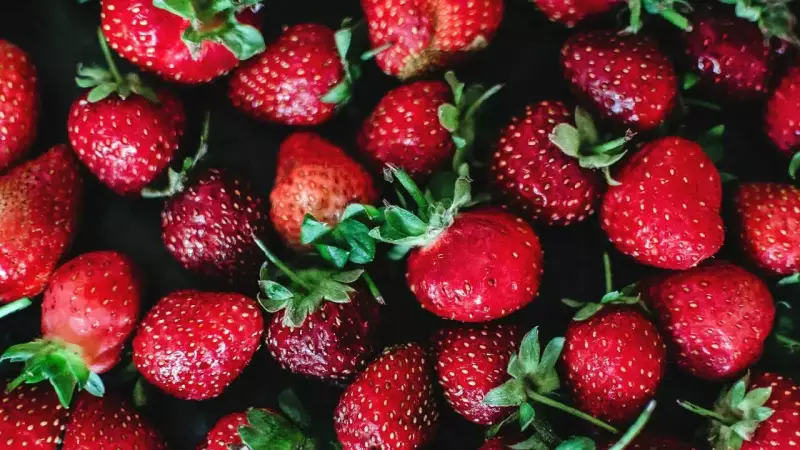
Among fruits with visible seeds, strawberries undoubtedly take center stage. While most fruits keep their seeds internal, anyone can see the numerous tiny specks covering a strawberry's bright red surface. These little dots aren't actually seeds in the conventional sense. They are called achenes. Each achene functions as a miniature fruit containing one true seed inside. The fleshy red part we enjoy eating isn't the botanical fruit either. It's an enlarged receptacle, a swollen stem tissue that holds the achenes. This structure makes strawberries a fascinating case study in plant anatomy.
Why Strawberries Evolved with Seeds on the Outside
Having seeds on the exterior serves a brilliant survival strategy. The visible achenes easily catch the attention of birds and small animals. When these creatures eat the sweet, red receptacle, they also consume the achenes. The seeds then travel through the animal's digestive system and get dispersed in new locations through their droppings. This method of seed distribution allows strawberry plants to colonize different areas effectively. By making seeds accessible, strawberries ensure wider propagation and better chances of thriving in various environments. This evolutionary trait demonstrates nature's ingenious solutions for species continuation.

Fascinating Facts About Strawberry Seeds
The strawberry's external seed arrangement reminds us that nature constantly surprises with its designs. Here are some intriguing details about this popular fruit.
Not All Seeds Are True Seeds
Each speck on a strawberry is an achene, a tiny dry fruit that encloses a single seed. An average strawberry carries about two hundred achenes. That means every strawberry you eat holds hundreds of miniature fruits, each protecting its own seed. This botanical fact often astonishes people who think of strawberries as simple berries.
Texture and Taste Contribution
The achenes on strawberries provide a subtle crunch that distinguishes them from other soft berries. This slight textural contrast enhances the eating experience, adding a delicate crispness to the fruit's juicy sweetness. It's a unique sensory characteristic that makes strawberries immediately recognizable.
Cultural and Artistic Impact
The distinctive appearance of strawberry seeds has made the fruit a symbol of uniqueness and creative design. Artists and food stylists frequently use strawberries in their work because the visible seeds create visual interest. This trait reinforces strawberries as icons of natural beauty and innovative patterns in culinary presentation and beyond.
While some plants may show seeds during specific growth phases, strawberries remain the most well-known fruit with seeds observable throughout their edible life. Their iconic appearance continues to captivate gardeners, chefs, and nature enthusiasts worldwide.