

The Versatile Sweet Potato: A Nutritional Gem in Indian Cuisine
Commonly referred to as Shakarkand, sweet potato is a highly nutritious root vegetable that enjoys widespread popularity across India. In Tamil, it is known as Sarkarai Valli Kizhangu. Although this vegetable is most abundant during the winter months, it is consumed year-round, particularly as a favored food during fasting periods.
Sweet Potato in Indian Street Food and Home Cooking
A familiar sight on bustling Indian streets is charcoal-grilled shakarkandi, often served as a flavorful chaat with tangy and spicy toppings, black salt, and jeera (cumin). Beyond street food, sweet potatoes are commonly prepared by boiling. The boiled sweet potatoes are typically cut into pieces and lightly sautéed in ghee, with spices added to create a warm, comforting dish.
This versatile vegetable is also used to make tikkis and parathas, and it is sometimes incorporated into milk-based desserts. One particularly popular preparation is shakarkandi halwa, a sweet treat that highlights the natural sweetness of the potato.

Impressive Health Benefits of Sweet Potatoes
One of the standout features of sweet potatoes is their high fiber content. Despite their natural sweetness, they have a low glycemic index, making them suitable for consumption by individuals with diabetes. Sweet potatoes are rich in potassium, which helps manage sodium levels and regulate blood pressure.
They are an excellent source of essential nutrients, including antioxidants, Vitamin A, Vitamin C, and fiber. Naturally, they promote digestive health and bolster the immune system. With only about 89 calories per 100 grams, sweet potatoes are a low-calorie option. The orange and purple varieties contain anthocyanins and beta-carotene, compounds that help reduce inflammation and combat free radical damage. Additionally, they provide a good amount of manganese.
Japanese Culinary Traditions with Sweet Potatoes
In Japan, sweet potatoes are a staple food and are commonly enjoyed as part of regular meals. They are often eaten as a hot snack with minimal spices or oil added. Blogger Akino Ogata shares a traditional Japanese method for preparing sweet potatoes that not only preserves their nutritional value but also enhances their natural sweetness.
Step-by-Step Japanese Baking Method:
- Soak the sweet potatoes in salted water. Prepare the mixture by adding 1 tablespoon of salt to 2 liters of water. The sweet potatoes should be soaked for at least six hours.
- After soaking, drain the water and wrap the sweet potatoes in aluminum foil.
- Bake them at 320°F (160°C) in an oven or air fryer for one hour.
- Then increase the temperature to 400°F (200°C) and bake for another 10 minutes.
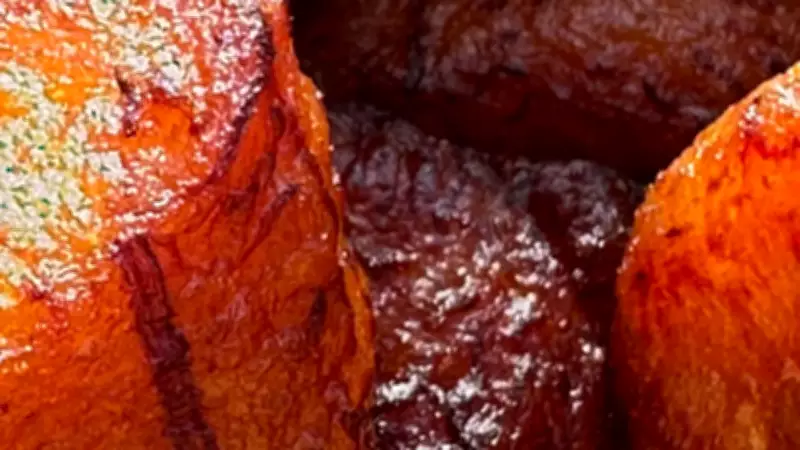
The result is a syrupy, golden interior that is unbelievably sweet without any added sugar. This method requires patience but yields a delicious outcome.
Baking vs. Boiling: Which Cooking Method is Better?
Baking and boiling are the two most common methods for cooking sweet potatoes. Both techniques are healthy and help retain most of the vegetable's nutrients, but they differ in terms of taste and preparation time.
Baking enhances the natural sweetness of sweet potatoes by caramelizing the sugars inside. However, it is a time-consuming process. Boiling, on the other hand, is simpler and quicker but may impart a slightly watery taste to the potatoes.
If you need to mash sweet potatoes, boiling is generally the better option. Boiled sweet potatoes may retain slightly more beta-carotene compared to high-heat roasting, though they might lose some Vitamin C in the process.

