Shahid Afridi Endorses Shadab Khan as Pakistan's Next Captain
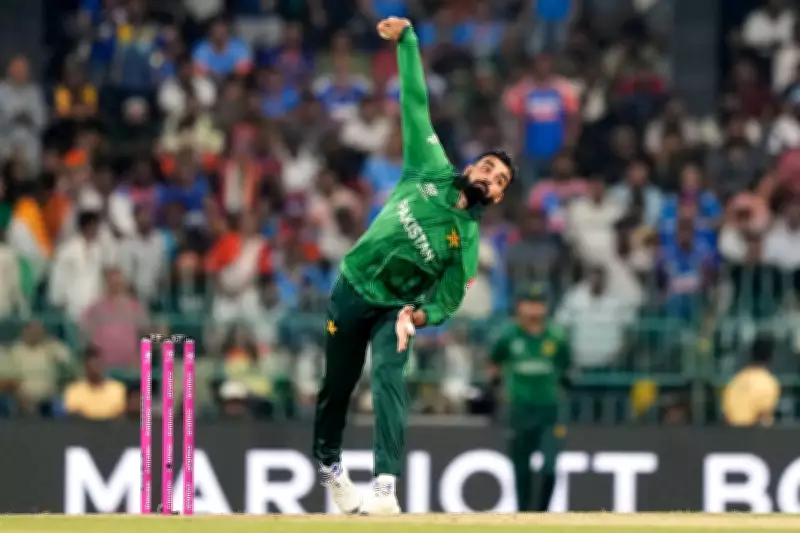
Former Pakistan cricket captain Shahid Afridi has publicly stated that all-rounder Shadab Khan is the leading contender to take over the national team's leadership if current head coach Mike Hesson continues in his role. This declaration comes as Pakistan's campaign in the T20 World Cup 2026 faces uncertainty, with intense discussions already underway about potential changes to the team's captaincy.
Pressure Mounts on Current Skipper Salman Ali Agha
The position of current captain Salman Ali Agha appears increasingly vulnerable following Pakistan's disappointing performances in the tournament. Many cricket experts within Pakistan have expressed concerns about Agha's leadership, particularly after the team's underwhelming showings on the global stage.
Pakistan received a crucial lifeline when England secured a four-wicket victory over New Zealand in Colombo on Friday, keeping their semi-final hopes alive. To advance to the next stage, Agha's squad must achieve a decisive victory against Sri Lanka in Pallekele. Specifically, they need to win by 65 runs or chase down the target with at least 40 balls remaining to surpass New Zealand on net run rate.

The Hesson-Shadab Connection
Ahead of this critical match, Afridi emphasized the strong working relationship between Shadab Khan and Mike Hesson as a decisive factor in the captaincy discussion. "If Mike Hesson stays on as the coach, then I think Shadab Khan will be made the captain," Afridi stated during an appearance on Samaa.TV.
"They have a connection and go back a long way, stemming from their stint with Islamabad United in the Pakistan Super League. Shadab is not a bad choice, but if his performance as a bowler was better, then it would have been great," the former captain elaborated.
Afridi's Conditional Support for Shadab
Afridi offered conditional endorsement of Shadab's potential captaincy, stressing the importance of consistent performances from the all-rounder. "We need Shadab to come up with consistent performances. If that comes, we will also feel good about calling him the captain," he remarked.
The cricket legend recalled his previous praise for Shadab, noting, "I always used to say he was the backbone of the team. I think Shadab will be made the captain as they don't have any other choice. Make him the captain, but he should be a performer."
Controversial History Between Afridi and Shadab
Interestingly, this endorsement follows previous tension between Afridi and Shadab. After Pakistan's 61-run defeat to India earlier in the tournament, Afridi had urged team management to drop Shadab from the lineup due to his struggles with both bat and ball.
Shadab responded sharply to criticism from Afridi and other former players. Following an all-round performance against Namibia, he claimed his current team could defeat India in the World Cup—something he suggested former players could not boast of achieving. These remarks generated significant backlash and drew heavy criticism from multiple quarters.
Growing Consensus for Leadership Change
Afridi is not alone in predicting a potential leadership transition. Former cricketer Shoaib Malik has also indicated that Shadab's elevation to captaincy may already be in motion. "Shadab's name has started doing the rounds as far as captaincy is concerned," Malik stated during an appearance on ARY News.
Currently, Pakistan has yet to register a victory in the Super 8 stage of the T20 World Cup 2026. Their match against New Zealand was washed out due to weather conditions, while they suffered a narrow defeat to England. This leaves their semi-final fate dependent on a dramatic turnaround in their remaining fixtures.
Pakistan's Tournament Challenges
The national team faces mounting pressure as they navigate the crucial final stages of the tournament. With their semi-final hopes hanging by a thread, the discussion about leadership changes adds another layer of complexity to Pakistan's campaign.

As the cricket world watches closely, the decisions made in the coming days could significantly impact Pakistan's future direction in international cricket. The combination of on-field performance pressures and off-field leadership discussions creates a challenging environment for both players and management.