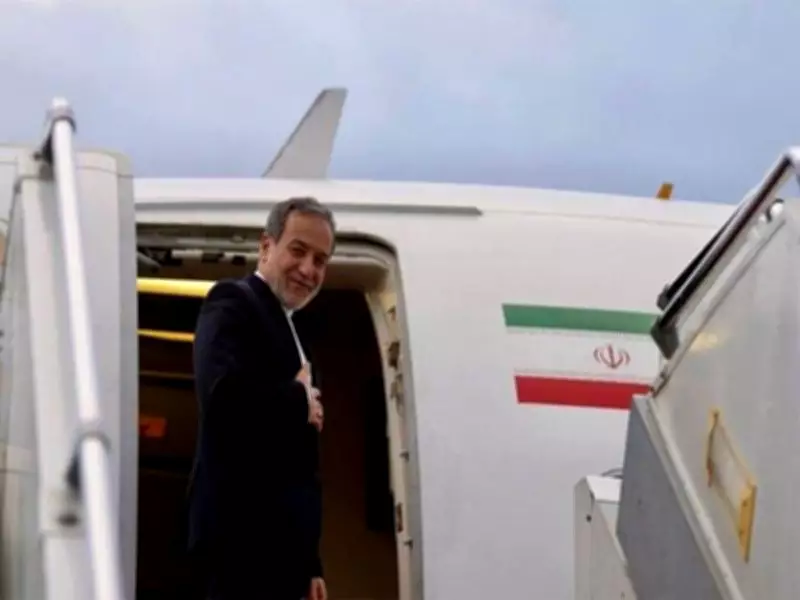
Iranian Foreign Minister Abbas Araghchi is set to visit China on May 6, 2025, for high-level discussions focusing on bilateral relations and pressing global issues, particularly amid the ongoing crisis in West Asia. The visit underscores the deepening diplomatic engagement between Tehran and Beijing as both nations seek to navigate complex regional and international dynamics.
Purpose of the Visit
The primary objective of Araghchi's trip is to enhance cooperation between Iran and China on various fronts, including economic, political, and security matters. The talks come at a critical time when tensions in West Asia remain high, with conflicts in Gaza and other areas demanding coordinated international responses. Iran and China have historically maintained strong ties, and this visit aims to further solidify their strategic partnership.
Bilateral Ties in Focus
Economic collaboration is expected to be a key agenda item, with both countries looking to expand trade and investment under the framework of the Belt and Road Initiative (BRI). Iran, as a major energy supplier, and China, as the world's largest importer of oil, have mutual interests in ensuring stable energy markets. Additionally, discussions on infrastructure projects, technology transfers, and cultural exchanges are likely to feature prominently.

Political coordination will also be central to the talks. Both nations share common stances on several global issues, including opposition to unilateral sanctions and support for multilateralism. The visit provides an opportunity to align their positions on regional security, particularly regarding the situation in West Asia, where Iran plays a significant role.
Global Issues and West Asia Crisis
The ongoing crisis in West Asia, including the Israel-Palestine conflict and instability in Syria and Yemen, will be a major topic of discussion. Iran and China have both called for de-escalation and a ceasefire in Gaza, advocating for a two-state solution. Araghchi's visit aims to coordinate efforts to address humanitarian crises and promote peace in the region.
Furthermore, the two sides are expected to discuss global challenges such as climate change, the COVID-19 pandemic recovery, and reforms in international financial institutions. China has positioned itself as a mediator in global affairs, and Iran seeks to leverage this role to advance its interests.
Strategic Implications
The visit highlights China's growing influence in the Middle East and its willingness to engage with Iran despite Western pressure. For Iran, strengthening ties with China is crucial for economic survival amid U.S. sanctions. The outcome of the talks could have significant implications for regional geopolitics, potentially shaping the balance of power in West Asia.
Analysts note that the visit also signals Iran's pivot towards the East, as it deepens relations with China and Russia amid strained ties with the West. This alignment could affect global energy markets, security alliances, and diplomatic negotiations on issues like the Iran nuclear deal (JCPOA).
In conclusion, Araghchi's visit to China on May 6 represents a strategic move to bolster bilateral cooperation and address critical global issues. The discussions are expected to yield concrete outcomes that will strengthen the Iran-China partnership and contribute to regional stability.