US Restaurants Implement Phone-Free Policies to Enhance Dining Experience
Do you find it difficult to enjoy a meal without constantly scrolling through your smartphone? This common habit might soon cost you more than just your attention—it could mean missing out on dining at your favorite restaurants. Across the United States, a significant number of restaurants and bars are now asking patrons to stow away their phones, with some even requiring them to be locked up until the meal concludes.
The Rise of Phone-Free Dining Spaces
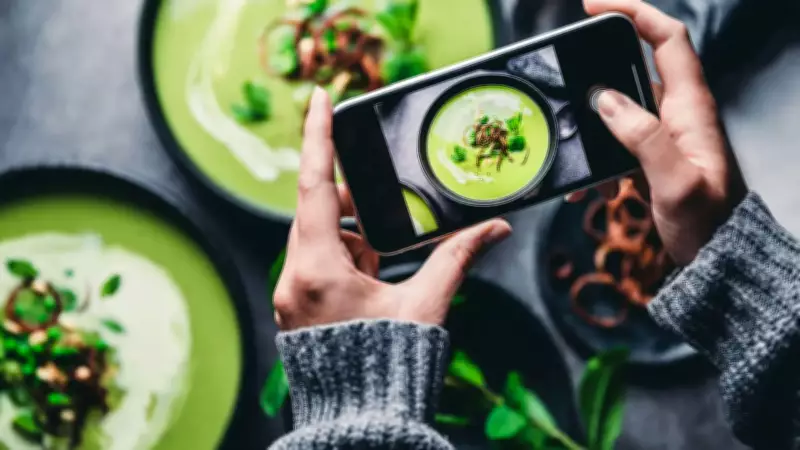
Imagine arriving at a restaurant, receiving the menu from your server, placing your order, and then instinctively reaching for your phone. As you scroll through social media reels and posts, your meal arrives. You eat with one hand while the other remains glued to the screen, barely noticing the aroma of your food or truly savoring the flavors. This scenario is all too familiar in today's dining culture, where digital distractions often overshadow the culinary experience.
To combat this, establishments in at least 11 states are experimenting with phone-free dining policies. Washington, D.C., leads with the highest number of venues implementing phone restrictions, followed by Arizona, California, Illinois, Massachusetts, Tennessee, North Carolina, New York, and Texas. According to Fox News Digital, these spots are using various methods, including restrictions, incentives, and locked pouches, to encourage phone-free meals.

For example, Antagonist, a cocktail bar in Charlotte, requires guests to place their phones in locked pouches for two hours. Delilah, an upscale supper club with multiple locations nationwide, enforces a strict no-phone, no-posting policy, as reported by Axios. Even a Chick-fil-A location in Maryland offers ice cream to families who refrain from using phones while dining.
Why Phone-Free Dining Enhances the Experience
Ben Tannenbaum, New York-based vice-president of partnerships at nightlife company LineLeap, notes that phone-free dining has become the new normal in many high-end venues, such as listening bars, supper clubs, cocktail lounges, and tasting menu restaurants. He explains, "The driver isn't really an anti-phone sentiment. It's that guests are going out less often than they used to and spending more per visit when they do, so operators are trying to make sure the visit delivers."
Experts believe this trend has been brewing for years and has gained momentum amid growing concerns over digital addiction. Amanda Belarmino, a hospitality professor at the University of Nevada, Las Vegas, told media outlets, "The phone-free dining trend began prior to COVID, but it has increased in momentum in recent years, especially as people have come to understand the negative impacts of overuse of personal devices."
She highlights how keeping phones away allows diners to focus on their food and companions, leading to a more enjoyable experience. "Diners who are engaged in the experience are more likely to eat multiple courses or order a second drink," Belarmino said. This engagement not only improves the dining experience but also prevents food from going cold while diners take endless photos for social media.
New York etiquette expert Nick Leighton emphasizes that being present during meals is a timeless principle. "When your phone's out, it's sending the signal that whoever is with you at that moment isn't as important as what's on the phone," he stated.
Dr. Vinay Saranga, a psychiatrist and founder of the North Carolina Institute of Advanced NeuroHealth, supports this trend, citing cognitive overload as a key factor. "Phone-free dining offers a form of psychological relief that will foster meaningful connection again and allow us to focus on the present moment," he explained.
The Future of Dining: Embracing the Phone-Free Movement
As this trend continues to gain traction, it is poised to become mainstream in the dining industry. Whether diners embrace it or not, taking a break from smartphones during meals is becoming a requirement at many restaurants. By doing so, patrons can fully immerse themselves in the culinary experience, leading to greater satisfaction and connection with their dining companions.