

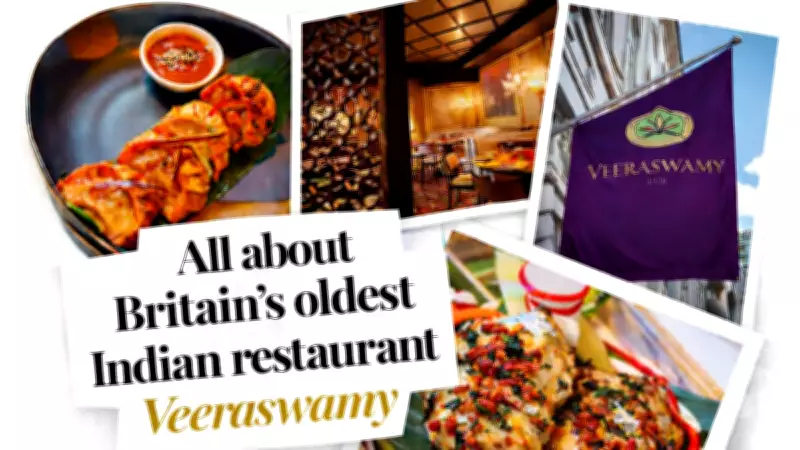
Veeraswamy: A Culinary Landmark in British History
Nestled in the heart of London, Veeraswamy stands as a testament to the enduring legacy of Indian cuisine in Britain. Founded in 1926, this iconic restaurant holds the distinguished title of being the oldest Indian dining establishment in the country. Its story is not just about food but a rich tapestry of cultural exchange, royal patronage, and gastronomic innovation that has spanned nearly a century.
The Founding and Early Years
The restaurant was established by Edward Palmer, a man of Anglo-Indian heritage, who named it after his grandfather, an Indian Army officer. From its inception, Veeraswamy aimed to offer an authentic Indian dining experience, a rarity in 1920s Britain. The original location on Regent Street quickly became a hub for the elite, attracting diplomats, artists, and members of high society who were curious about the exotic flavors of India.
Veeraswamy's menu was revolutionary for its time, featuring dishes like biryani, kebabs, and curries that introduced British palates to the diverse culinary traditions of the Indian subcontinent. The restaurant's decor, adorned with intricate Indian artwork and luxurious furnishings, further enhanced its appeal, creating an immersive cultural experience.

Royal Connections and Cultural Impact
Over the decades, Veeraswamy garnered significant attention from the British royal family and other notable figures. It is said that King George VI and Queen Elizabeth were among its early patrons, helping to cement its reputation as a premier dining destination. This royal endorsement played a crucial role in popularizing Indian cuisine across Britain, paving the way for the proliferation of Indian restaurants in the post-war era.
The restaurant's influence extended beyond the dining table, contributing to a broader appreciation of Indian culture in the UK. During the mid-20th century, as immigration from India increased, Veeraswamy served as a cultural bridge, showcasing the sophistication and depth of Indian culinary arts to a wider audience.
Challenges and Resilience
Like many historic institutions, Veeraswamy faced its share of challenges, including economic downturns and changing consumer tastes. However, its commitment to quality and authenticity allowed it to weather these storms. In the 1990s, the restaurant underwent a major renovation, revitalizing its space while preserving its historic charm. Today, it continues to operate under the stewardship of the renowned Indian hospitality group, which has maintained its legacy while introducing modern touches.
Key aspects of Veeraswamy's enduring success include:
- Authentic Recipes: Many dishes are prepared using traditional methods passed down through generations.
- Historic Ambiance: The restaurant retains elements of its original decor, offering a glimpse into its storied past.
- Culinary Innovation: While honoring its roots, Veeraswamy has adapted to contemporary dining trends, offering a blend of classic and modern Indian cuisine.
Legacy and Modern Relevance
As Britain's oldest Indian restaurant, Veeraswamy holds a unique place in the nation's culinary history. It has witnessed nearly a century of social and cultural changes, from the interwar period to the present day. Its story is a reflection of the broader narrative of Indian diaspora and the global spread of Indian food, which has become a beloved staple in British cuisine.
Today, Veeraswamy remains a popular destination for both locals and tourists, celebrated for its historical significance and exceptional dining experience. It stands as a living museum of Indian gastronomy, reminding us of the power of food to connect cultures and endure through time.

