

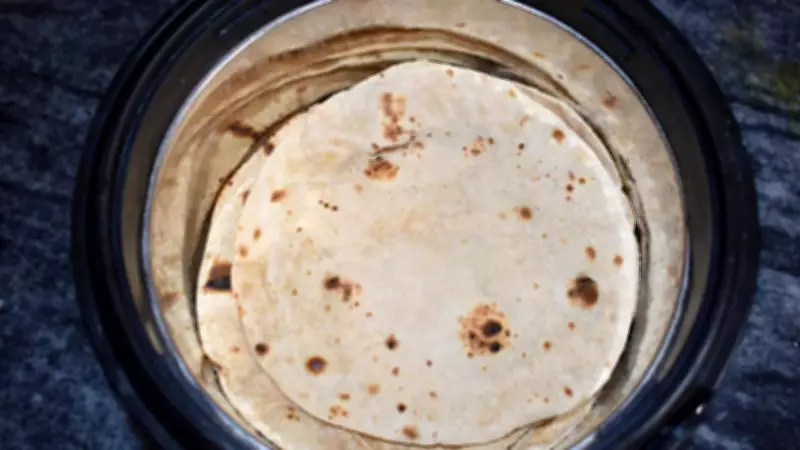
Why Rotis Turn Soggy in a Casserole: The Science Explained
While freshly made, soft, and warm puffed rotis are a delight, busy work lives often make it impractical to prepare them for every meal. In such scenarios, a casserole serves as a savior, keeping rotis warm and soft for extended periods. However, storing chapatis in a casserole frequently results in sogginess, particularly affecting the top and bottom layers due to trapped moisture. This daily struggle leads to food wastage in many households, but understanding the underlying causes can help mitigate the issue effectively.
The Root Cause: Moisture Trapping in Casseroles
According to culinary experts, freshly cooked rotis release significant heat and steam during the cooling process. When placed in a casserole and the lid is sealed, this moisture has no escape route, condensing back onto the rotis and causing the uppermost and bottom ones to become soggy. Additionally, inserting very hot rotis into the casserole exacerbates condensation, especially on these layers. Most casseroles are designed to be airtight, which increases internal humidity and adversely affects the texture of the rotis. Often, a cloth is used to wrap the rotis, but if not employed correctly, it can trap moisture rather than absorb it, further contributing to sogginess.
Tip 1: Allow Steam to Release Before Storage
After puffing the roti, a common mistake is immediately transferring it to the casserole and locking the lid. This practice overlooks the fact that the residual heat generates steam, which leads to soggy outcomes. To prevent this, place the roti on a mesh sieve or wire rack, allowing it to cool slightly before storing it in the casserole. This step helps dissipate excess steam and reduces moisture buildup.

Tip 2: Opt for a Larger Casserole for Better Airflow
Experts recommend using a bigger casserole to provide rotis with ample breathing space. This allows steam to spread out and settle along the sides of the container rather than condensing directly on the rotis, thereby keeping them dry and moisture-free.
Tip 3: Utilize Cotton Cloths for Effective Moisture Absorption
When storing rotis in a casserole, place a cotton cloth at the bottom and cover the rotis with another cloth. This method helps trap steam away from the rotis, ensuring they remain dry and fresh for longer durations by absorbing excess moisture.
Tip 4: Elevate Rotis with a Plate or Stand
A smart strategy involves placing a smaller plate or stand inside the casserole. Wrap the rotis in a cloth and position them on top of this elevation. This technique keeps the rotis elevated, allowing moisture to collect at the base of the casserole instead of on the rotis themselves.
Tip 5: Wrap Rotis in Butter Paper or Aluminium Foil
Another effective way to maintain moisture-free rotis is by wrapping them in butter paper or aluminium foil. Place a thick layer of either material at the bottom of the casserole and repeat the process on top before sealing the lid. This barrier prevents direct contact with moisture, preserving the rotis' texture and freshness.
By implementing these tips, you can enjoy soft, warm rotis without the hassle of sogginess, reducing food waste and enhancing your meal experience.

