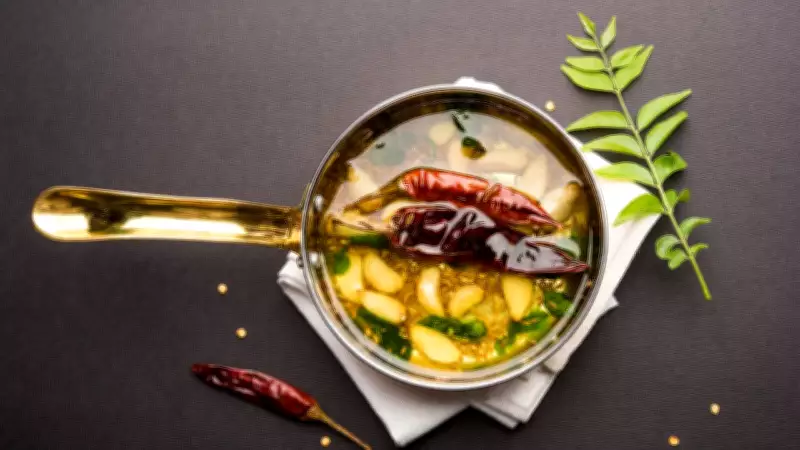
Why Tadka Turns Bitter: 5 Expert Tips for Preparing Perfect Tadka at Home
Tadka, or tempering, is the soul of dishes like dal, kadhi, chutney, and many other regional Indian dishes. It is an edge that enhances the overall aroma of the dish. This part of any savory Indian dish amplifies the taste without salt, using only oil and herbs. While it seems simple, many people spoil it and complain that their tadka tastes bitter, overpowering the entire dish. Understanding why this happens and preventing it can make a significant difference in your daily cooking.
Why Does Tadka Turn Bitter?
According to experts, bitterness in tadka usually occurs when spices are exposed to excessive heat or cooked for too long. It begins with overheating the oil, causing spices and herbs to burn instantly, especially delicate ingredients like garlic, dried red chilies, or certain seeds (cumin, mustard, and fennel). Once burnt, they release harsh, unpleasant flavors that cannot be corrected later. Substandard quality of spices also tends to have a naturally dull or bitter taste even before cooking. Therefore, timing, temperature, and ingredient quality all play a crucial role in achieving the perfect tadka.
Tip 1: Control the Oil Temperature
The first and most important tip is to control the oil temperature. Always heat the oil on a medium flame rather than high. Ensure the oil is hot enough to activate the spices but not so hot that it starts smoking. If you are a beginner, test by adding a single seed to the oil; if it sizzles gently, the oil is ready.

Tip 2: Correct Order of Adding Ingredients
Follow the right order for tempering. Once the oil is ready, whole spices like mustard seeds and cumin seeds should go in first, as they need more time to release their aroma. Once they begin to crackle or change color, add ginger, garlic, and curry leaves. Lastly, powdered spices should be added after switching off the heat, as they burn very quickly.
Tip 3: Attention to Timing
Tadka is a fast process, often taking less than a minute. Even a few extra seconds on the heat can spoil everything. Be attentive and stay focused while tempering.
Tip 4: Always Use Fresh and Quality Ingredients
Use fresh, good-quality ingredients. Spices lose their potency over time and may develop off flavors. Invest in aromatic, high-quality spices for the best results.
Tip 5: Remove the Pan on Time
Even after turning off the flame, residual heat continues to cook the spices. Removing the pan slightly early or adding the tadka immediately to the dish can prevent overcooking. This tip comes in handy only with practice. Keep cooking and keep learning.