AI-Generated Alia Bhatt Sparks Fashion Controversy: Pakistani Label's Viral Hoax
Social media platforms were set ablaze this week when a renowned Pakistani clothing label named Wajayesha posted a series of striking images featuring Bollywood diva Alia Bhatt as their apparent brand ambassador. The Instagram drop showcased the actress in elegant silk suits, immediately capturing global attention and sparking intense speculation about a potential cross-border fashion collaboration.
The Viral Deception Unfolds
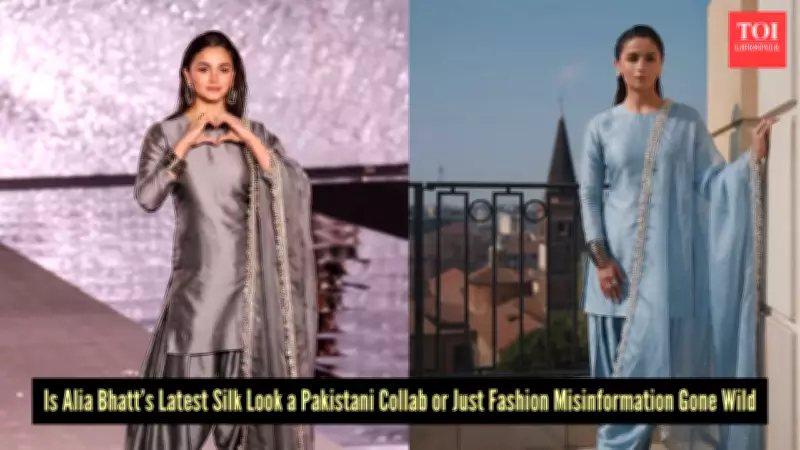
The controversy began when Wajayesha shared multiple pictures of Alia Bhatt modeling their latest ethnic collection. From lilac to sage green, the actress appeared in knee-length, fitted silk kurtas with round necklines and full sleeves, complemented by matching patiala trousers and dupattas featuring golden frilled borders. The caption boldly declared: 'Even Alia Bhatt likes our pure shisha silk collection!! Colour can be customised; book your order now.'
What made these images particularly convincing was their professional appearance. The outfits looked remarkably realistic on the actress, as if they had been captured during an actual photoshoot. The background, makeup, and hairstyle remained perfectly consistent with Alia's established public image, creating a seamless illusion that fooled countless social media users.

Eagle-Eyed Fans Uncover the Truth
Fortunately, Alia Bhatt's massive global fan following quickly mobilized to investigate the suspicious posts. Through careful examination, they discovered that the images were sophisticated AI-generated creations. The brand had digitally edited photos originally posted on Alia's personal Instagram account, cleverly altering her outfits while preserving every other element of the original pictures.
The source material for these manipulated images came from multiple high-profile events in Alia's career. Some were lifted from her walk on the L'Oréal runway, while others originated from her professional Sabyasachi photoshoots where she appeared with elaborate jewellery sets and floral accessories. Another set appears to have been stolen from her Gucci show attendance in Milan this past February.
Legal Implications and Industry Patterns
This incident raises serious legal questions about digital manipulation and celebrity rights. Legal experts suggest the actress could potentially sue the brand for unauthorized use and editing of her likeness. This isn't an isolated case in the fashion industry, where both local and international labels have increasingly turned to celebrity fakes to boost sales without paying endorsement fees.
By leveraging popular faces like Alia Bhatt's, brands attempt to tap into the aspirational value and influence of these celebrities while avoiding the substantial costs associated with legitimate partnerships. The practice reveals how deeply fashion and personal identity have become intertwined in the digital age, creating situations where consumers can be easily misled by sophisticated visual manipulations.
Broader Implications for Digital Fashion
This viral controversy highlights several critical issues facing the fashion industry today. The ease with which AI technology can create convincing fake endorsements poses significant challenges for both celebrities and consumers. It demonstrates how digital deception can cross international borders effortlessly, creating global controversies from localized marketing attempts.
The incident also underscores the importance of digital literacy in an era where seeing is no longer believing. As AI-generated content becomes increasingly sophisticated, both brands and consumers must develop new strategies for verifying authenticity and protecting intellectual property rights in the digital fashion landscape.