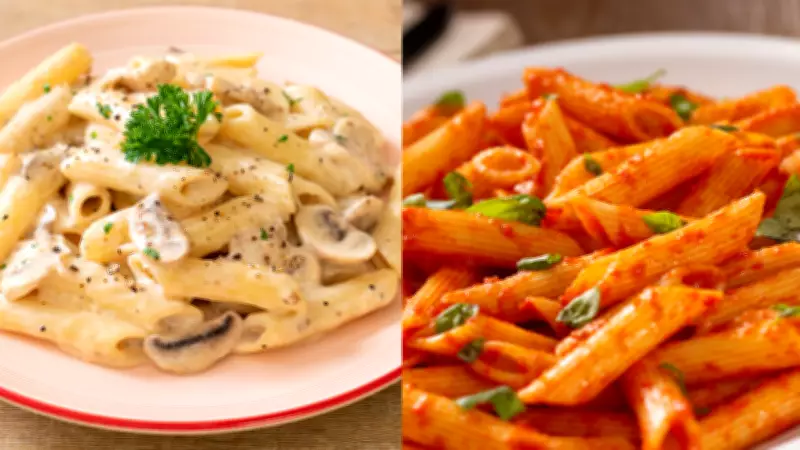
Pasta looks simple on paper. A handful of ingredients, a pot of boiling water, and a sauce that seems easy enough to pull together. Yet many home cooks have had that frustrating moment when the final bowl just does not taste right. The noodles feel sticky, the sauce refuses to cling, or the whole dish somehow tastes flat despite good ingredients. The truth is that pasta rewards small details. Tiny steps, how much salt goes into the water, when the sauce meets the noodles, even the heat under the pan can quietly decide whether the result feels restaurant-worthy or disappointing. Once you know the common missteps, fixing them becomes surprisingly easy.
1. Not salting the pasta water enough
One of the most frequent mistakes happens before the pasta even cooks properly. The boiling water is often under-seasoned. Pasta absorbs water as it cooks, which means it also absorbs whatever seasoning is present in that water. When the pot lacks enough salt, the noodles themselves taste bland no matter how flavorful the sauce might be. The solution is simple: salt the water generously so it tastes pleasantly salty, almost like mild seawater. This step builds flavour directly into the pasta rather than trying to rescue it later with sauce.
2. Using too little water in the pot
Crowding pasta into a small pot can quietly sabotage the texture. When noodles do not have enough space to move, they release starch into a smaller amount of water and quickly turn sticky. The strands or shapes cling to each other instead of cooking evenly. A larger pot with plenty of boiling water allows the pasta to swirl freely. The movement keeps pieces separate and ensures the heat stays consistent, which helps the noodles cook with the right bite and flavour.

3. Overcooking the pasta
Soft, mushy pasta is another classic disappointment. Many recipes call for cooking until “al dente,” a phrase that simply means the pasta should still have a gentle firmness in the center. The best approach is to start tasting the pasta a minute or two before the package instructions suggest. When it offers slight resistance but no chalky center, it is ready. That small window makes the difference between pasta that feels lively and pasta that collapses into the sauce.
4. Rinsing the pasta after draining
It might feel instinctive to rinse cooked pasta under water, especially when the noodles seem sticky. But rinsing washes away the starch coating the surface. That starch is valuable because it helps the sauce cling to the pasta instead of sliding off. Unless you are preparing a cold pasta salad, it is best to skip the rinse. Simply drain the noodles and move them straight into the sauce.
5. Adding sauce on top instead of combining it
A common restaurant trick is also one of the simplest: pasta and sauce should finish cooking together. When sauce is poured over a plate of noodles at the last moment, the two components remain separate. Instead, transfer the drained pasta directly into the pan of simmering sauce. Toss everything together for a minute or two. The pasta absorbs some of the sauce while releasing a little starch, which naturally thickens the mixture and helps everything feel unified.
6. Ignoring pasta cooking water
The cloudy water left in the pot after boiling pasta may not look appealing, but it is one of the most useful ingredients in the kitchen. That liquid contains dissolved starch, which acts as a natural thickener. Adding a small splash of pasta water to the sauce can transform its texture. It helps emulsify oil, butter, and tomato into a smoother coating that clings beautifully to the noodles. Many cooks skip this step and end up with sauce that feels oily or thin.
7. Overloading the dish with ingredients
Pasta often shines brightest when the ingredient list stays focused. It can be tempting to add extra vegetables, cheese, spices, and sauces in an effort to make the dish more exciting. But too many elements can overwhelm the balance. A better approach is to let a few ingredients stand out clearly. Good olive oil, garlic, tomatoes, herbs, or cheese can create a satisfying dish when they are allowed to breathe. Simplicity often produces deeper flavour than complexity.

The small adjustments that change everything
Cooking pasta well is less about complicated techniques and more about attention. A properly salted pot of water, a watchful eye on cooking time, and a quick toss of noodles with sauce can transform an ordinary meal into something deeply satisfying. Once those habits settle into your routine, pasta stops being unpredictable. Instead, it becomes what it was always meant to be: a dish that feels effortless, comforting, and reliably delicious.