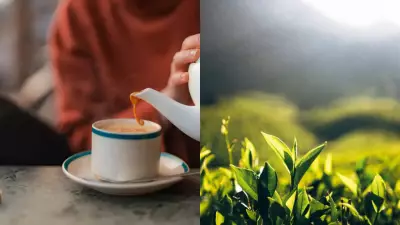
For tea lovers, the year feels like it has not truly begun yet. Spring remains distant on the horizon. Across northern and North-Eastern tea gardens, a quiet dormancy prevails. No plucking or production happens during this period. Everything prepares for a fresh start. This mood resonates deeply with me personally. I find myself reluctant to set resolutions or craft grand plans. Instead, I prefer to mull things over slowly. A unique five-year-old tea keeps me company during these reflections. It is fermented with a special fungus. This tea stands as one of the most comforting brews I have ever tasted.
A Seasonal Shift to Pu-erh and Beyond
As late monsoon transitions into winter, my tea preferences shift naturally. I turn towards pu-erh teas regularly. This season, I ensured my stock was well-prepared. I had three different pu-erhs ready. My collection also included a Singpho falap. This is a compressed and aged indigenous tea from Assam. Additionally, I possessed a Hei Cha, or dark tea, from Shaanxi in China. Generous tea friends deserve much credit for this varied assortment. Over the last couple of months, I consumed a significant amount of pu-erh. Meanwhile, the box of dark tea waited patiently in the wings.
Unwrapping the Jing Yang Fu Cha
This week, rains returned to Puducherry. The weather shift prompted a decision. I finally decided to crack open that waiting box of dark tea. The name on the box read Jing Yang Fu Cha. Gautam, a dedicated reader of this column, sent it to me. He acquired it during his travels to China last year. The tea was compressed into a brick form. However, it was not packed as tightly as a typical pu-erh brick. With compressed teas, we usually employ a tea pick. We search for a spot where the leaves give way easily. This allows us to pry the leaves loose without damage.

I anticipated the taste would closely resemble pu-erh. The actual flavor surprised me pleasantly. It presented milder, mellower characteristics. A pleasantly woody note emerged. The most significant takeaway was its profoundly calming effect. I brewed it using several short steeps initially. I finished with one longer, final steep. This tea proves remarkably effortless. It produces excellent liquor regardless of brewing method. Its overall pleasant nature adds to the simple joy.
Delving into the World of Hei Cha
My knowledge about Hei Cha, or dark tea, was quite limited before this experience. This tea category now holds my fascination. I started Googling Fu Cha to learn more. I read about its origins dating back to the 14th century. The post-fermentation process involves a probiotic enzyme-producing fungus called Eurotium cristatum. This discovery made me pause in wonder. Imagine someone centuries ago, sitting before a pile of tea leaves. They decided to wither and roll those leaves carefully. In a controlled environment with precise humidity and temperature, they allowed a fungus to ferment the tea. The fermentation had to be just enough, not too much. This delicate balance allowed the tea to age gracefully without spoiling. The sheer thought boggles the mind.
Then consider the subsequent innovations. People devised ways to compress the tea into bricks. They designed specialized tea picks to break portions away. They created the gaiwan as a proper brewing vessel. Bamboo trays were introduced to keep the brewing process clean. Countless other paraphernalia evolved to elevate the entire tea experience. The world of Chinese tea offers so much to appreciate and learn from. Notably, this particular tea uses the larger, coarser leaves of the tea bush. It does not rely on the prized two leaves and a bud we often favor for finest flavor. This shows a vital truth. No matter the leaf, the fine art of tea making can transform it into something extraordinary.
Reflections on Tea Origins and Appreciation
As the global trend chases matcha, it is worth remembering its roots. Matcha also bears Chinese origins. Full credit must go to Japanese artisans for refining the process. They created the beloved version we know today. However, its beginnings undeniably lie in the heartland of tea itself. As I finish writing this column, I am still brewing little cups of the Fu Cha tea. Each infusion brings a new delight. Here is to a year filled with discovery and deeper appreciation of tea.

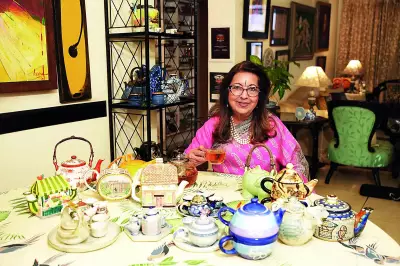
1001 Teas is a fortnightly series exploring the countless stories hidden within the world of tea. Aravinda Anantharaman (@AravindaAnanth1) is a devoted tea drinker, writer, and editor.