

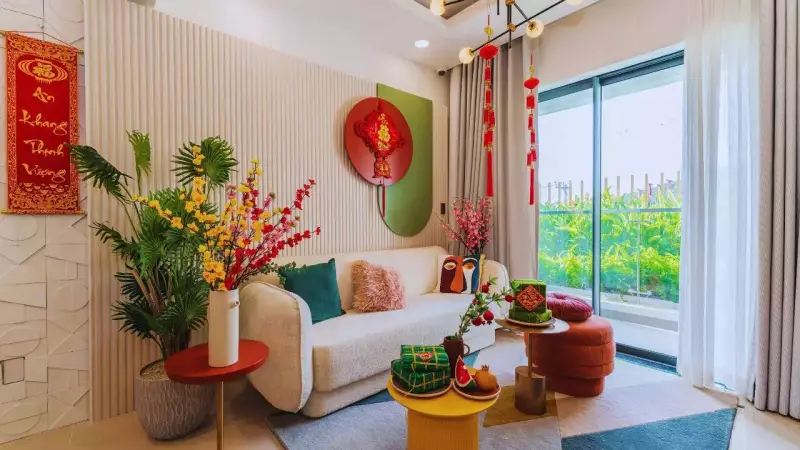
The concept of interior design in India is undergoing a profound transformation. Moving far beyond the traditional focus on selecting colours, furniture, and decor, the discipline is evolving to shape how we live, feel, and interact within our personal spaces. As we approach 2026, design is transitioning from being merely aesthetically pleasing to creating deeply experiential and emotionally resonant environments.
The New Philosophy: Design for Experience and Well-being
According to Jenis Makwana, Founder and Design Director of DezignCo, the coming year will be defined by a research-driven approach that prioritizes human experience. Indian homes are now at a crossroads where emotions, technology, purpose, and personal wellness are becoming the primary drivers of design decisions. This marks a significant shift from the past, where choices were often made without a deep understanding of how lighting, colour psychology, and spatial flow impact daily life.
The core idea is that our spaces should adapt to us, not the other way around. Design in 2026 will transcend decoration-centric approaches. The emphasis will be on crafting environments that respond to individual moods, daily rituals, hobbies, and behaviours. A living room, for instance, is no longer just a living room; it can fluidly transform into a social zone, a wellness corner, or a productive workspace based on the time of day. The true value of a space will be measured by how it makes you feel—through comfort, intuitive movement flow, thoughtful acoustics, and sensory balance—rather than just how it looks.

Key Trends Defining Indian Interiors in 2026
Makwana outlines seven pivotal trends set to redefine the landscape of interior design:
1. Experience-Driven Design vs. Decorative Design: The focus moves from static decoration to dynamic, multi-functional spaces built around personal routines, not rigid room labels.
2. Seamless Smart Luxury: The definition of luxury is shifting from opulent and showy to quiet and intelligent. Technology will integrate seamlessly into the background, with features like self-regulating lighting that supports circadian rhythms and climate systems that learn user preferences, all controlled effortlessly.
3. Deeper Biophilic Design: The connection with nature goes beyond adding plants. Holistic biophilia will encompass filtered natural light, the use of natural materials and textures, and a deliberate continuity between indoor and outdoor spaces. This trend is firmly rooted in wellness, as such environments are proven to reduce stress and improve focus.
4. Sustainability with Substance: Eco-conscious design moves past marketing buzzwords. Informed consumers will demand accountability, leading to a preference for durable materials, repairable furniture, waste-conscious production, and energy-efficient home designs.
5. Hyper-Personalization: Interiors will reflect deeper individuality. Designs will be informed by personal lifestyle data, leading to custom storage solutions, curated art collections, and furniture tailored to specific needs, creating homes that are authentic reflections of their owners.
6. Adaptive and Future-Ready Spaces: Flexibility becomes paramount. Homes will increasingly feature modular layouts with movable walls and multi-purpose furniture, allowing spaces to evolve with changing family needs, careers, and life stages without constant renovation.
7. Design as a Holistic Investment: Whether for a home, retail store, or hotel, design will be viewed as a long-term investment that enhances functionality, boosts property value, strengthens brand identity, and ultimately improves quality of life. It transforms from an aesthetic choice to a spiritual necessity.

The Bottom Line: Design as a Lifestyle Architect
The overarching theme for 2026 is clear: interior design is no longer a superficial layer but the very architect of our daily experiences and well-being. It is becoming a necessity that shapes how we live, interact, and even heal. For Indian homeowners and developers, this means embracing a more thoughtful, human-centric, and sustainable approach to creating spaces that are not just beautiful, but truly alive and responsive to the human spirit.
