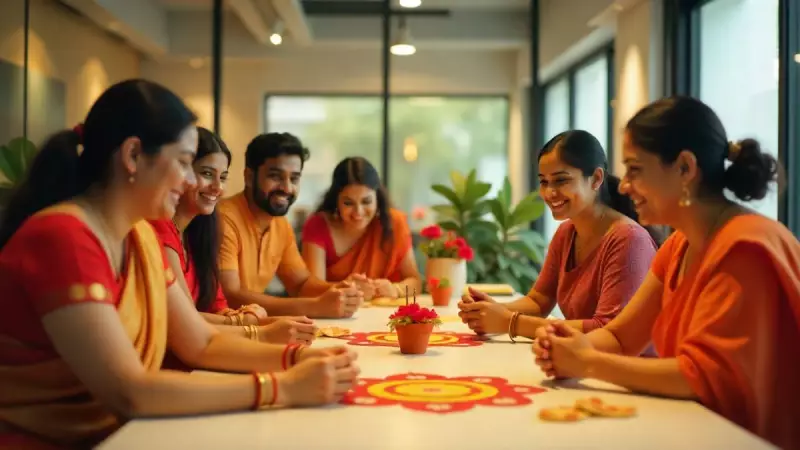
As the vibrant harvest festival of Pongal approaches in January 2026, workplaces across India are gearing up to embrace the spirit of thanksgiving and community. Celebrating Pongal in an office setting is more than just a festive break; it's a powerful opportunity to foster team bonding, appreciate cultural heritage, and boost employee morale. Integrating traditional games and activities can transform the workplace into a hub of joyous celebration.
Traditional Pongal Games for Modern Office Teams
The essence of Pongal lies in its community-oriented celebrations, many of which revolve around playful and engaging games. Offices can creatively adapt these for a fun-filled day. Jallikattu-inspired team challenges, though mimicking the bull-taming spirit only in a safe, metaphorical way, can be organized as obstacle courses or puzzle races that require teamwork to 'tame' a challenge.
Another popular activity is the Uri Adithal or pot-breaking game. A safe office version can involve hanging an earthen pot filled with treats or small gift vouchers, with blindfolded employees trying to break it with a stick. This game, often associated with other festivals, brings laughter and excitement to the Pongal celebration.

Traditional folk dances and music can also be a central part of the day. Organizing a Kolattam or Kummi dance circle encourages participation and is a beautiful way to appreciate Tamil Nadu's artistic culture. For those less inclined to dance, a Pongal-themed rangoli (Kolam) competition allows for creative expression. Teams or individuals can create designs symbolizing prosperity, the sun, or agricultural motifs, using colored rice, flour, or petals.
Planning Your 2026 Office Pongal Celebration
Successful office festivities require thoughtful planning. January 14th, 2026, marks Thai Pongal, the main day of the four-day festival, making the preceding or following workday ideal for celebration. Decorations play a key role; think mango leaves (thoranam), sugarcane stalks, and traditional brass or clay pots (Pongal paanai) adorning common areas.
The heart of the celebration is, of course, the food. Organizing a live Pongal cooking ceremony is a fantastic idea. A designated space can be set up where employees can witness or participate in the ritual of boiling milk and rice in a new clay pot, allowing it to overflow—symbolizing abundance. Serving the sweet Pongal dish, along with vadai, sugarcane, and other traditional treats, is a must.
To deepen cultural understanding, offices can host short talks or presentations on Pongal's significance—thanking the Sun God (Surya Pongal), honoring cattle (Mattu Pongal), and celebrating familial bonds. This educates and includes employees from diverse backgrounds in the festival's meaning.
Benefits of Festival Celebrations at Work
Incorporating Pongal celebrations into the corporate calendar yields significant benefits. It acts as a superb team-building exercise, breaking down hierarchical barriers and fostering collaboration in a relaxed, informal setting. Such events greatly enhance employee engagement and satisfaction, showing that the organization values their cultural identity and well-being.
For multinational or diverse companies, celebrating regional festivals like Pongal promotes cultural inclusivity and awareness. It creates a respectful environment where different traditions are acknowledged and celebrated. Ultimately, these positive experiences contribute to a stronger, more cohesive company culture, reducing stress and building a sense of community beyond daily work tasks.
As 2026 approaches, forward-thinking companies are already noting the dates and brainstorming ideas. By blending the joyous traditions of Pongal—its games, food, and rituals—with modern office culture, businesses can create a memorable event that honors heritage while building a happier, more united workforce.