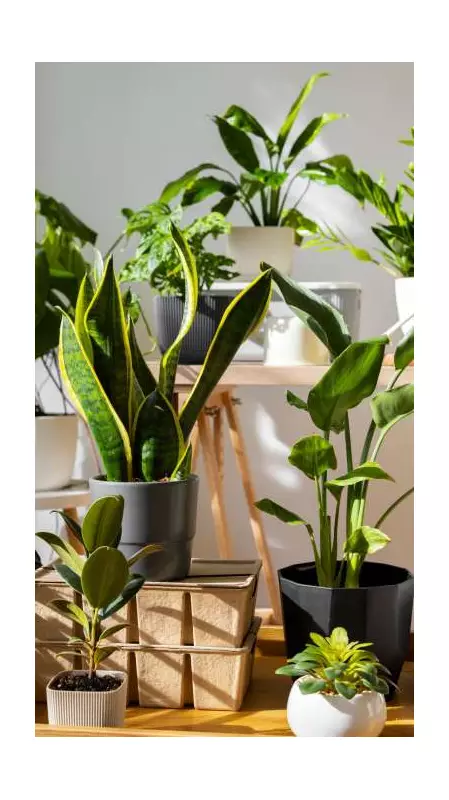
As winter settles across India, many gardening enthusiasts face a common challenge: the reduced hours of sunlight. For those living in apartments with limited balconies or homes with shaded areas, keeping greenery alive can seem like a daunting task. However, the good news is that several beautiful and resilient plants not only survive but actually thrive in low-light conditions typical of the winter season.
Top 5 Resilient Plants for Your Winter Indoor Garden
The key to a successful winter garden indoors is selecting the right species. Plants that are native to forest floors or tropical understories have naturally adapted to flourish with filtered light. These varieties are perfect for Indian homes, where winter sun can be weak and indirect. Let's explore five such champions that will bring life to your corners without demanding a sunny windowsill.
1. The Adaptable Snake Plant (Sansevieria)
Often hailed as one of the most indestructible houseplants, the Snake Plant is a top contender for low-light winter survival. Its architectural, upright leaves with striking patterns can tolerate significant neglect, including infrequent watering and poor light. This plant is a fantastic air purifier, known to remove toxins like formaldehyde and benzene from your indoor environment. During winter, its water requirements drop considerably, making overwatering the only real threat to its health.

2. The Lush Peace Lily (Spathiphyllum)
The Peace Lily is beloved for its elegant white blooms and deep green foliage. It prefers medium to low indirect light, making it ideal for rooms with north-facing windows or spaces set back from direct sun. A clear indicator of its needs is its drooping leaves, which signal when it's time for water. Beyond its beauty, it's another excellent air-purifying plant that adds a touch of serene elegance to any room, even during the gloomy winter months.
3. The Classic Chinese Evergreen (Aglaonema)
Available in a stunning array of variegated patterns featuring shades of green, silver, pink, and red, the Chinese Evergreen is a visual delight for low-light spaces. It adapts remarkably well to indoor conditions and filtered light. This plant grows slowly and is forgiving of occasional lapses in care. It's crucial to let its soil dry out partially between waterings in winter to prevent root rot, a common issue in cooler, less evaporative conditions.
4. The Trailing Heartleaf Philodendron
This versatile plant is a favorite for hanging baskets or high shelves where its heart-shaped leaves can cascade down. The Heartleaf Philodendron thrives in bright, indirect light but manages perfectly well in lower light settings, albeit with potentially slower growth. It's an incredibly forgiving plant that bounces back quickly if you forget to water it occasionally. Its trailing vines can add a beautiful, soft greenery to areas of your home that other plants might find challenging.
5. The Hardy ZZ Plant (Zamioculcas zamiifolia)
The ZZ Plant is practically synonymous with resilience. Its glossy, waxy leaves store water, allowing it to withstand long periods of drought and extremely low-light conditions. It's the perfect plant for a dim corner of an office or a room with very few windows. During winter, you might only need to water it once a month or even less, depending on your home's humidity and temperature.
Caring for Your Low-Light Winter Plants
While these plants are tolerant, a few mindful practices will ensure they not only survive but look their best throughout the season. The most critical adjustment for winter care is reducing the frequency of watering. With lower light levels and cooler temperatures, soil takes much longer to dry out. Overwatering is the fastest way to harm these plants. Always check the top inch or two of soil for dryness before reaching for your watering can.

Secondly, while they don't need direct sun, all plants require some ambient light. Avoid placing them in completely dark rooms like windowless bathrooms for extended periods. An occasional gentle wipe of their leaves with a damp cloth will remove dust and help them absorb whatever available light there is more efficiently. Hold off on fertilizing during the winter months, as most plants enter a period of slow growth or dormancy and won't need the extra nutrients until spring.
Embracing indoor gardening in winter with these low sunlight plants can significantly enhance your home's ambiance and air quality. They bring a vital connection to nature during the shorter, colder days. By choosing the right winter plants and following simple care tips, anyone in India can cultivate a thriving, green sanctuary indoors, regardless of their apartment's orientation or the season's grey skies.