

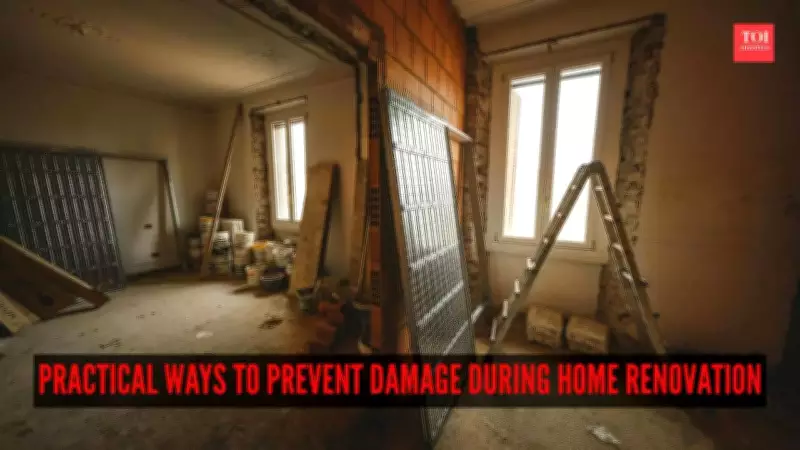
8 Essential Strategies to Prevent Damage During Home Renovation Projects
Embarking on a home renovation project can breathe new life into your living space, but it often comes with the unwelcome companions of dust, debris, and the risk of accidental damage to floors, furniture, and even structural elements. Without careful planning and proactive protection, what starts as a minor update can quickly escalate into expensive repairs or health hazards. Implementing preventive measures before and during construction is crucial for maintaining safety, cleanliness, and preserving your home's long-term value.
Contain Dust and Seal the Work Area Effectively
Construction dust has a notorious tendency to spread throughout the house via air vents, doorways, and windows, settling on surfaces far from the renovation site. To combat this, it is vital to seal off the work area using plastic sheets and durable tape. Additionally, employing HEPA (High-efficiency particulate air) vacuums and adopting proper cleaning techniques can significantly reduce airborne dust particles, ensuring a healthier environment during the renovation process.
Protect Floors with Temporary Coverings
Floors are highly vulnerable to scratches, dents, and stains from heavy tools, debris, and constant foot traffic. A practical solution is to lay down temporary floor coverings such as cardboard, ram board, or drop cloths. These materials not only create a protective barrier but also serve as designated walkways for construction workers, minimizing the risk of damage and simplifying cleanup.

Cover Furniture, Glass, and Surfaces Thoroughly
Dust, paint splatters, and accidental impacts can easily damage furniture, windows, and appliances. Shielding these delicate items with plastic sheets, tarps, or protective films is essential. Removing fragile décor and securing protective covers ensures that your valuables remain safe and intact until the renovation work is fully completed.
Maintain Daily Cleaning and Debris Removal
Regular sweeping, mopping, and wiping are key to preventing dust buildup and debris from scratching surfaces or infiltrating every corner of your home. Consistent cleaning, especially in high-traffic areas and corners, helps contain the renovation zone and reduces the need for extensive restorations once the project is finished.
Check Structural Safety and Utility Lines Before Starting Work
Before initiating any demolition or drilling, it is critical to verify the locations of structural walls, electrical wiring, plumbing lines, and gas connections. Damaging these hidden systems can lead to costly repairs, safety hazards, or severe accidents. Consulting architectural drawings or hiring a qualified professional for an inspection ensures that renovation work proceeds safely without compromising your home's structural integrity or essential utilities.
Store Items Safely or Move Them Temporarily
Keeping belongings in a designated safe room or an external storage unit prevents accidental breakage and reduces clutter in the work zone. Proper labeling and organized storage also facilitate easier tracking of items and a more efficient restoration of your home after the renovation is complete.
Improve Ventilation and Minimize Airborne Hazards
Blocking vents, using fans to direct dust outdoors, and maintaining adequate airflow are effective ways to control contaminants generated during renovation. Proper ventilation not only protects surfaces from dust accumulation but also safeguards occupants' respiratory health and the overall indoor environment.
Conclusion: The Importance of Proactive Planning
Preventing damage during home renovation is essential and achievable through meticulous planning. From dust protection and floor coverings to documenting belongings and ensuring security, each step plays a vital role in preserving your home. Planning is not only economically prudent but also critical for safety. With the right preventive strategies in place, homeowners can confidently upgrade their spaces while protecting the comfort, cleanliness, and value of their property.

