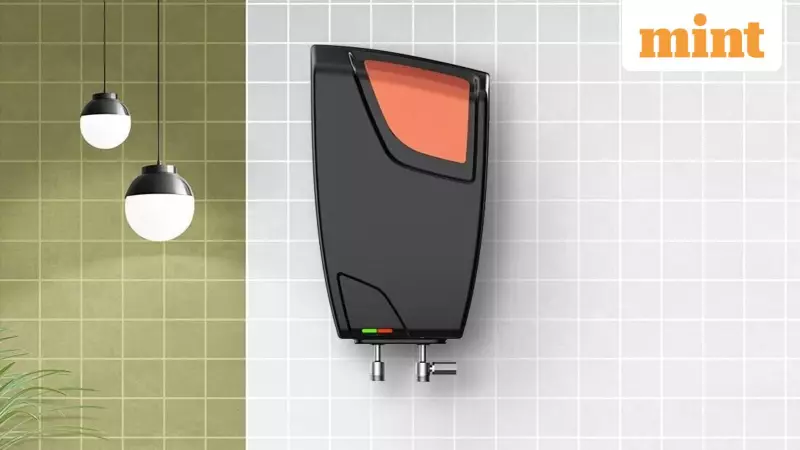
Setting up a water heater, or geyser, is often viewed as a straightforward home task. However, seemingly minor errors during installation can trigger a cascade of long-term issues, impacting your wallet and safety. A poorly installed unit doesn't just affect immediate hot water supply; it can become a source of consistently higher electricity bills, reduced efficiency, frequent breakdowns, and potential hazards. The secret to a reliable system lies in meticulous planning from day one, focusing on optimal placement, correct pressure management, proper insulation, and ensuring easy access for future maintenance.
The Critical Role of Correct Placement and Access
One of the most prevalent installation blunders involves choosing the wrong spot for the water heater. Placing the geyser too far from bathrooms or kitchen points of use means hot water takes longer to travel through the pipes. This delay results in significant water wastage as you wait, and forces the system to work harder, increasing energy consumption unnecessarily. Equally detrimental is installing the unit in a damp, cramped, or poorly ventilated area, such as a tight cupboard or a corner prone to moisture. Such environments accelerate corrosion and can damage critical electrical or gas components over time.
Space planning for future servicing is another aspect frequently overlooked. Homeowners often tuck heaters away in spots with no clearance, making routine tasks like inspection, descaling, or part replacement a nightmare for technicians. This inaccessibility can turn simple maintenance into costly, invasive procedures. Investing forethought into choosing a location that balances proximity to outlets, good ventilation, and ample working space pays rich dividends by extending the appliance's lifespan and making upkeep simpler and cheaper.

Overlooking Pressure Valves and Safety Protocols
Proper pressure management is non-negotiable for safe operation. Every water heater must be fitted with a correctly installed Temperature and Pressure Relief (TPR) valve. This crucial safety device prevents dangerous pressure buildup inside the tank that could otherwise lead to leaks, bursts, or even accidents. Neglecting to install this valve or fitting it incorrectly compromises the entire system's integrity.
Furthermore, the incoming water pressure must align with the manufacturer's specified limits. Excessively high pressure strains internal components and pipe fittings, while low pressure hampers heating efficiency. Similarly, electrical and gas connections demand precision. Faulty wiring, inadequate grounding, or improper gas fittings are not just inefficiencies—they are serious safety risks that can lead to fires or gas leaks. Engaging a certified professional for installation ensures all local codes and safety guidelines are met, drastically reducing risks and enhancing operational efficiency.
Neglecting Insulation and Future Maintenance Needs
A simple yet powerful efficiency booster often ignored during installation is insulation. Both the hot water pipes and the storage tank itself should be properly insulated to minimise standby heat loss. Without this layer, the heater cycles on more frequently to maintain the set temperature, directly driving up your monthly power bills. Effective insulation maintains water temperature consistently, reducing the workload on the system and saving substantial energy over the years.
Maintenance planning is intrinsically linked to installation. Geysers require periodic descaling (especially in areas with hard water), sediment flushing, and general inspections. If the unit is installed in an inaccessible location, these essential tasks are likely to be postponed or skipped entirely. This neglect leads to scale buildup, reduced efficiency, and premature component failure. A well-planned installation prioritises easy access, ensuring you can protect your investment through regular care, guaranteeing reliable performance and avoiding expensive emergency repairs.

Beyond these core areas, details like ensuring the heater is perfectly level, using manufacturer-recommended fittings, and allowing for adequate ventilation around the unit prevent a host of secondary issues like leaks, overheating, and accelerated corrosion. While a DIY installation might seem cost-effective, investing in professional installation is wise. A skilled technician can evaluate your home's specific plumbing and electrical setup, recommend the optimal model and location, and implement all critical safety and efficiency measures correctly. This upfront investment safeguards against future costs, ensures peace of mind, and guarantees that your water heater delivers safe, efficient, and dependable service for its full lifespan.