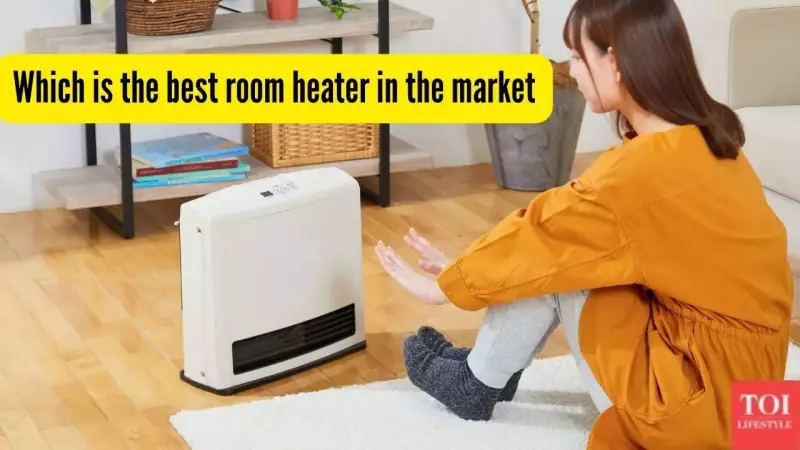
Winter arrives, and suddenly everyone needs a reliable heating solution. Selecting the right room heater involves balancing comfort, safety, and budget. The market offers many options, each operating on distinct heating principles. Understanding how they work and their ideal uses is crucial for making an informed choice. Let's examine the main types closely.
Oil-Filled Heaters: Silent and Steady Warmth
Oil-filled heaters contain diathermic oil sealed within metal fins or columns. An internal electric element heats the oil, which then radiates warmth into the room. These units excel at providing quiet, consistent heat, making them suitable for extended use.
Advantages of Oil Heaters
- Retained Heat: Once the oil heats up, it continues warming the room even after you switch off the heater. This feature makes it excellent for overnight heating.
- Quiet Operation: With no fans, these heaters operate silently. They are perfect for bedrooms and nurseries.
- Safe Surface Temperatures: Heat distributes over a larger area, keeping surface temperatures safer. They also don't blow air around, which is gentle on indoor air quality and ideal for people with allergies.
Disadvantages of Oil Heaters
- Slow Warm-Up: They typically take 15–20 minutes to reach optimal temperature.
- Bulky and Heavy: These heaters are often heavier and less portable than other types.
- Higher Cost: Oil heaters generally come with a higher price tag compared to basic models.
Overall, oil-filled heaters are considered safe for regular use.

Rod and Filament Heaters: Instant Spot Heating
Rod or filament heaters, often infrared or quartz types, use an exposed element that emits infrared radiation. This method resembles how the sun warms objects directly. They heat people and objects within their line of sight rather than the surrounding air, offering quick warm-ups.
Advantages of Rod/Filament Heaters
- Instant Warmth: These heaters provide immediate heat, making feet and body feel warm almost instantly. They are ideal for spot heating.
- Direct Efficiency: They work efficiently when you need focused heat.
- Portable and Compact: Most models are lightweight and easy to move around.
- Affordable: These heaters are usually inexpensive and budget-friendly.
Disadvantages of Rod/Filament Heaters
- Limited Room Warming: They are less effective at heating an entire room.
- Burn Hazard: The element can become extremely hot, posing a burn risk if touched accidentally. This makes them risky for households with children and pets.
- Quick Heat Loss: Heat diminishes rapidly once the heater is turned off.
Safety requires maintaining a safe distance from fabrics, curtains, and furniture due to high surface temperatures that can cause burns or fire hazards.
Blower Heaters: Fast and Affordable
Blower heaters, also known as fan heaters, use a heating coil. An internal fan blows air over the coil, warming it quickly and circulating it throughout the room.
Advantages of Blower Heaters
- Rapid Heating: They excel at quickly warming up a room due to fast air circulation.
- Compact and Lightweight: These heaters are often small and easy to carry.
- Low Cost: They are generally cheap and suitable for small spaces.
Disadvantages of Blower Heaters
- Noisy Operation: The fans can create disturbing sounds during use.
- Drying Effect: Continuous use can dry out indoor air and irritate skin.
- High Energy Consumption: They rely on ongoing air circulation, which may lead to higher electricity bills.
For safety, never leave blower heaters unattended or use them overnight. Proper ventilation is essential.

General Safety Tips for All Heaters
Regardless of the heater type, some risks are common. Poor ventilation can reduce humidity and oxygen levels, negatively impacting respiratory health. Experts recommend placing bowls of water near heaters and ensuring good airflow.
Avoid positioning any heater close to curtains, bedding, or flammable materials to minimize fire risk. Always keep heaters out of reach of children and pets.
Which Heater Is Best for You?
There is no single best heater for everyone. The ideal choice depends entirely on your specific needs and circumstances.
- Choose oil-filled heaters if you prioritize safe, silent heating for longer periods.
- Opt for rod or filament heaters if you need instant warmth for spot heating.
- Select blower heaters if you require quick heat for short sessions in small rooms.
Now the decision rests with you. Consider your space, usage patterns, and safety concerns to pick the perfect room heater. Stay warm and enjoy the winter season!