

The Hidden Cost of Modern Interiors
For decades, interior design has chased trends rather than responsibility. Homes and offices undergo complete redesigns every few years. People discard furniture instead of repairing it. Builders select materials for convenience and appearance, often ignoring environmental impacts.
These choices create invisible environmental damage. Today, that damage is impossible to overlook. The interiors industry, closely tied to construction and renovation, ranks among the largest waste producers globally.
India's Growing Waste Problem
Manish Shah, Founder and Creative Director of Nimmit, highlights a critical issue. "In India, construction and demolition waste reaches millions of tonnes annually," he states. "This waste fills landfills and dumping grounds."

The interior design sector worsens this problem through several practices:
- Fast furniture designed for short-term use
- Synthetic finishes that cannot be recycled
- Chemically treated materials with limited lifespan
Most contemporary interiors lack longevity. When one component fails in modular units, people discard entire systems. During renovations, workers strip out non-recyclable laminates, veneers, and composite boards, sending them straight to landfills.
The Health Impact of Interior Choices
What manufacturers market as "quick" or "affordable" often carries hidden environmental costs. Many common interior products create health hazards:
- Paints emitting volatile organic compounds (VOCs)
- Adhesives releasing harmful chemicals
- Surface finishes degrading indoor air quality
- Furnishings containing synthetic materials
Since the pandemic, people spend more time indoors at home and work. Poor indoor environments directly affect physical and mental health. Yet most interior design strategies ignore these critical issues.
Sustainability remains an optional add-on rather than a fundamental design principle.
Zero-Waste Philosophy: Radical or Rational?
Many consider zero-waste interior design radical and restrictive. In reality, this approach follows careful, considered principles. The goal isn't eliminating all waste but dramatically reducing it through smarter practices.
Core Principles of Sustainable Design
Zero-waste interiors prioritize several key elements:
- Durability over disposability - Choosing materials that last
- Repair over replacement - Fixing rather than discarding
- Recyclable materials - Selecting components that can be reused
- Minimal waste production - Reducing offcuts and excess
This philosophy requires rethinking how we source, craft, use, and reuse interior materials. It demands careful planning to minimize unnecessary finishes and excess production during design processes.
Roots in Traditional Indian Practices
Interestingly, zero-waste design aligns naturally with traditional Indian interiors. Older homes utilized locally available materials:
- Natural plaster from regional sources
- Stones quarried nearby
- Wood from sustainable forests
- Hand-woven fabrics created locally
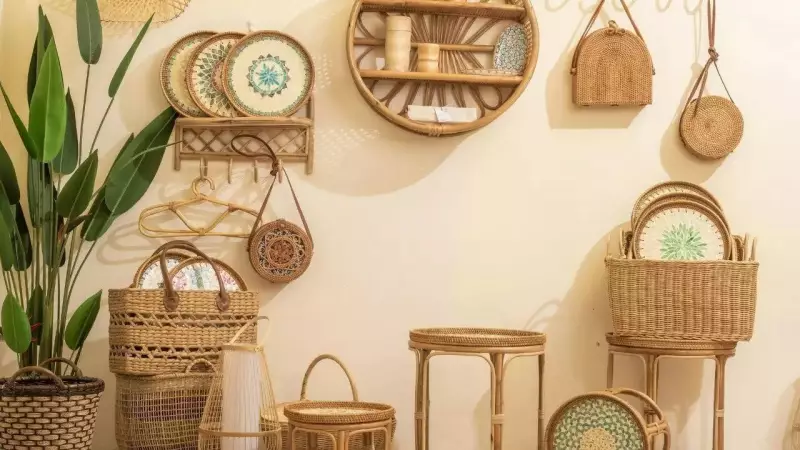
These materials aged beautifully over time. Craftsmen could repair and modify them without complete replacement. Sustainability wasn't a marketing term but a way of life.
Busting Myths About Sustainable Design
One persistent myth suggests sustainable interiors lack aesthetic appeal. Many associate eco-friendly design with raw, unfinished, or purely functional spaces.
Reality tells a different story. Zero-waste interiors can achieve remarkable beauty, tactile richness, and deep character. When designers prioritize natural materials, honest finishes, and craftsmanship, spaces feel warmer and more meaningful.
The Beauty of Intention
Traditional techniques deserve renewed attention:

- Block printing creating unique patterns
- Handcrafted décor showcasing artisan skills
- Textile reclamation giving new life to old fabrics
These aren't processes to outsource but skills deserving continuity and respect. Hand-finished surfaces, reclaimed wood, and strategic textiles add depth and character impossible to replicate in mass-produced interiors.
This beauty emerges from intention rather than extravagance.
A Quiet Shift in Consumer Awareness
Recently, people have begun asking deeper questions about their interiors. They want to know more than just appearance:
- Where did materials originate?
- Who created these elements?
- What techniques were employed?
- How long will components last?
A reclaimed wood table carries history. A handwoven textile tells a story. A naturally plastered wall connects to local traditions. These narratives create emotional value, forging deeper connections between people and their spaces.
Beyond Superficial Sustainability
As sustainability awareness grows, so does the risk of superficial implementation. Terms like "eco-friendly" and "green" are often used loosely within interior design communities.
A product labeled "environment-friendly" might not truly be eco-friendly. Something marketed as "green" could still contain harmful elements. True sustainability requires transparency about material origins, production processes, and lifespan.
Redefining Luxury Through Stewardship
Sustainable interiors may seem costly initially, but their durability reduces replacement needs. Timeless designs discourage frequent renovations. Well-crafted spaces maintain value over decades.
As cities densify and strain resources, interior design choices matter more than ever. Zero-waste, sustainable approaches move us from consumption toward stewardship.
A New Vision of Luxury
This philosophy offers a fresh perspective on luxury. True luxury isn't about excess or constant consumption. Real luxury leaves nothing behind.
The future will treat sustainability not as a differentiator but as a fundamental requirement. Spaces serving both people and the planet will truly endure.
India's interior design industry stands at a crossroads. By embracing zero-waste principles rooted in traditional practices, we can create beautiful, healthy spaces that honor both our heritage and our future.
