Billionaire Forced to Rename Luxury Yacht Over Offensive Backward Spelling
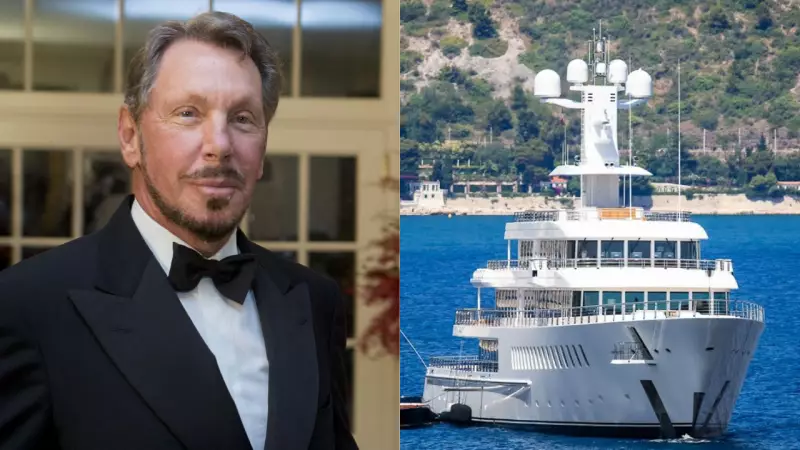
Oracle co-founder Larry Ellison faced an embarrassing situation with his new $25 million superyacht. He had just named the vessel Izanami when someone pointed out a shocking problem. The name spelled something deeply offensive when read backward.
The Unfortunate Discovery
Ellison chose Izanami from Japanese mythology. In Shinto belief, Izanami is a goddess connected to creation and death. The name seemed like a cultured reference at first. Then someone noticed the backward spelling.
When reversed, Izanami reads "I'm a Nazi." This discovery caused immediate alarm. The 81-year-old billionaire moved quickly to address the situation.

Swift Action and Renaming
Ellison ordered the name removed from the yacht immediately after learning about the implication. The German shipyard Lürssen had built the vessel. Reports indicate the renaming happened in a hurry.
The superyacht received a new name: Ronin. This refers to masterless samurai in Japanese history. The 58-meter luxury vessel no longer carries the problematic title.
Ownership Changes and Resurfaced Story
Ellison sold the yacht before 2013 to Venezuelan banker Víctor Vargas. The current owner is Italian business executive Alessandro Del Bono. Del Bono leads in the pharmaceutical industry.
This episode remained quiet for years until social media brought it back to attention. The story went viral recently, reminding people about the unusual naming incident.
Ellison's Background and Controversies
The billionaire has close family connections to Israel, making the Nazi reference particularly sensitive. Ellison briefly became the world's richest person in September. His net worth surged to an estimated $393 billion, surpassing Elon Musk temporarily.
Over his career, Ellison faced several controversies:
- Shareholders criticized his corporate governance practices
- They accused him of holding excessive control during acquisitions
- Privacy campaigners questioned his views on surveillance
After the September 11 attacks, Ellison supported creating a national identification database. More recently, his comments backing artificial intelligence-driven surveillance drew backlash from privacy advocates.
The yacht naming incident adds another curious chapter to Ellison's public story. It shows how even careful choices can sometimes lead to unexpected and problematic interpretations.