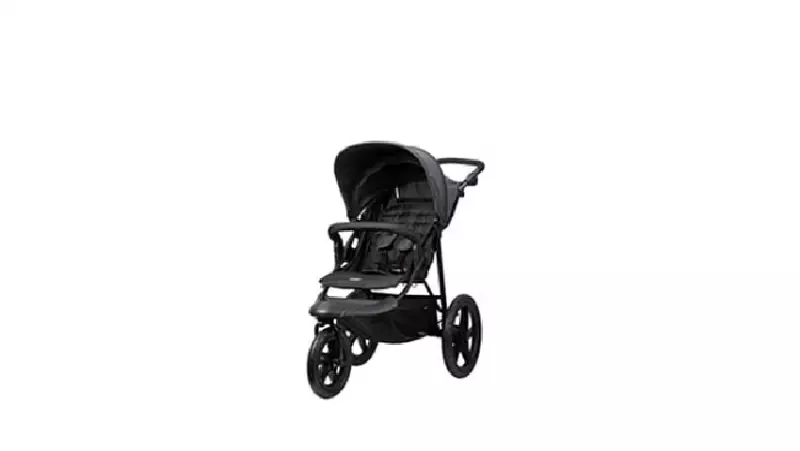
For parents navigating the bustling streets and varied terrains of urban India, the humble baby stroller has undergone a quiet revolution. No longer just a simple wheeled seat, modern strollers are sophisticated mobility aids designed to support the complex, on-the-go lifestyle of today's families. This evolution in design directly addresses the everyday challenges of Indian parents, transforming a basic necessity into a tool for greater freedom and ease.
Engineering for the Real World: Key Design Innovations
The core of this transformation lies in thoughtful engineering that prioritizes both child safety and parent convenience. Manufacturers have moved beyond a one-size-fits-all approach to create strollers that are highly adaptable. A primary focus has been on enhancing maneuverability and stability through advanced wheel systems. Many contemporary models feature large, all-terrain wheels with superior suspension, allowing them to glide smoothly over uneven pavements, potholed sidewalks, and other common urban obstacles that were once a major hurdle.
Equally significant is the push towards lightweight yet durable construction. The use of advanced materials like aircraft-grade aluminium alloys means strollers are now strong enough to ensure safety without being burdensome to push or lift. This is a critical feature for parents who must frequently carry the stroller up staircases to apartments or onto public transport, a common scenario in many Indian cities where elevator access is not guaranteed.

Features That Empower Daily Life
The user-centric design philosophy extends to a host of features that simplify daily logistics. The one-hand folding mechanism is a game-changer. It allows a parent to collapse the stroller swiftly and securely while holding their child or managing bags, making transitions in and out of cars or auto-rickshaws significantly less stressful.
Adjustability is another cornerstone of modern design. Strollers now offer:
- Reclining seats with multiple positions, catering to a newborn's need to lie flat or a toddler's desire to sit up and observe the world.
- Expandable canopies with UPF protection to shield children from India's intense sun and sudden rain.
- Increased storage capacity via larger under-seat baskets, acknowledging that parents are often carrying groceries, baby supplies, and personal items during their outings.
These features collectively reduce physical strain and mental load, enabling parents to run errands, visit parks, or meet friends with greater confidence and less fatigue.
The Impact on Parental Well-being and Urban Mobility
The implications of these design advancements extend far beyond mere convenience. By easing the physical challenges of transporting a young child, modern strollers actively promote greater mobility and independence for parents. They make it feasible to maintain a more active lifestyle, encourage more frequent outdoor excursions for the child, and reduce the reliance on private vehicles for short trips, potentially contributing to less congested urban environments.
This design evolution reflects a broader understanding of parental needs in a fast-paced world. It recognizes that a stroller is not just child-centric equipment but a vital tool for the caregiver. The right stroller can mitigate the isolation some new parents feel by making public spaces and social interactions more accessible. In essence, thoughtful stroller design is an enabler of community connection and personal freedom during the early years of parenthood.
As Indian cities continue to grow and modernize, the demand for products that simplify urban living will only rise. The progression in stroller design, with its emphasis on durability, adaptability, and ease of use, is a direct response to this demand. It stands as a clear example of how targeted innovation in everyday products can significantly improve quality of life, empowering a new generation of parents to navigate their world with their children seamlessly in tow.