India's Coffee Revolution: How Premium Machines Are Becoming Kitchen Status Symbols
Have you ever spent a small fortune on a coffee machine and exotic beans to recreate that perfect cappuccino you enjoyed abroad? You are certainly not alone. For many wealthy Indians, the coffee machine sitting on the kitchen counter now represents far more than just a beverage maker. It has evolved into a powerful lifestyle statement. A growing number of people are actively trying to bring the sophisticated cafe experience they loved overseas directly into their own homes.
The Rise of the Home Barista
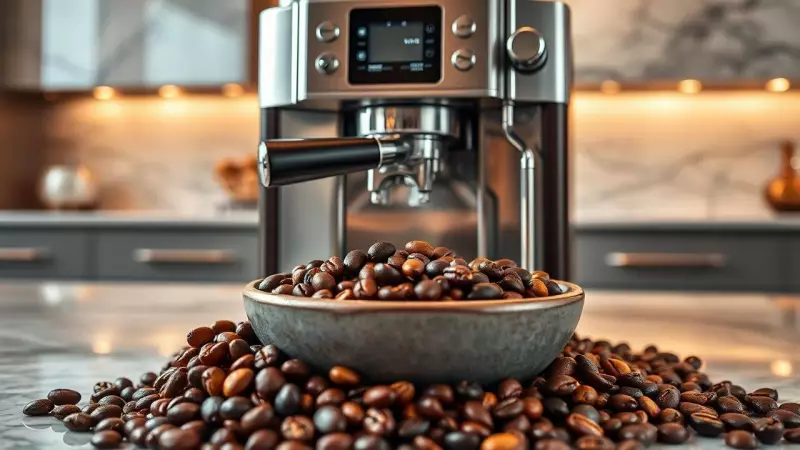
A significant shift is underway among young, affluent consumers. They are willingly spending several lakh rupees on high-end coffee machines, specialty beans, and professional cafe-style equipment. Their goal is clear: to mirror the elegant ambience of European coffee houses within their personal spaces. These advanced machines offer much more than basic espresso or latte functions. They have transformed into genuine objects of prestige and desire.
Premium brands like Versuni, SMEG, and DeLonghi are increasingly displayed as centerpieces in modern kitchens and lounges. This trend is effectively erasing the traditional line between a functional appliance and a piece of art. The machine itself becomes a conversation starter and a symbol of refined taste.

Explosive Market Growth
India's coffee craze is showing remarkable numbers. From selling only a few hundred units six years ago, the market now estimates annual local sales of almost 20,000 premium coffee machines. This impressive figure includes direct imports by companies. However, it does not account for the large number of machines that individuals personally bring into the country while traveling abroad or order through international e-commerce platforms.
With limited availability of high-end brands and specific models in the Indian market, parallel imports continue to rise steadily. Ravi Saxena, founder and CEO of Wonderchef Home Appliances, connects this booming trend directly to the rapid spread of neighborhood cafes across Indian cities. He believes this cafe culture has created a strong, widespread interest in recreating cafe-quality coffee at home.
As a trained barista himself, Saxena sells approximately 1.4 lakh coffee machines annually. This includes premium automatic models priced between Rs 60,000 and Rs 90,000. The appetite for these sophisticated machines is also visibly strong among frequent international travelers who have developed a taste for global coffee standards.
Personal Stories of Passion and Investment
For some buyers, the move to a premium home setup stems from genuine dissatisfaction with local cafe offerings. Satyendra Shukla, who runs a boutique investment firm, invested Rs 1.5 lakh in a La Carimali machine two years ago. He shares his frustration, stating he had to struggle for every decent cup of coffee in India. No cafe could consistently deliver the coffee he truly liked. The right texture, temperature, and taste seldom came together perfectly. Now, his well-traveled friends compliment him on making the best coffee. He personally maintains the machine and dedicates considerable time sourcing the finest beans.
The demand is so intense that consumers are prepared to absorb heavy import costs. A Banerjee, an independent professional based in Kolkata, purchased a Philips machine from Amazon UK. The machine was priced at Rs 57,000, but the final cost ballooned to Rs 95,000 after accounting for international shipping, customs duties, and currency conversion. This willingness to pay a premium underscores the value placed on these products.
Gurgaon-based hotelier Rajat Gera placed an order for an SMEG machine costing Rs 1.3 lakh in December and is still patiently waiting for it to arrive at Indian ports. He describes it not merely as an appliance, but as "a piece of art that deserves to be placed as a centrepiece in the kitchen or lounge."

Industry Perspective and Future Outlook
Gulbahar Taurani, chief executive of Versuni India, attributes the rising demand to young, curious consumers. They are actively exploring different bean varieties, complex flavours, distinct aromas, and innovative brewing styles. This even includes experimenting with coffee mocktails mixed with tonic water. He reports that the company's pilot launch of premium models priced up to Rs 80,000 in India has been highly successful.
Versuni plans to combine its global technology with specific adaptations for Indian consumer preferences. While its entire product range is currently imported, Taurani has not ruled out the possibility of domestic manufacturing as sales volumes continue to grow.
Retailers on the ground are confirming this strong traction. Coffee machines rank among the fastest-moving categories in their stores. Vijay Sales sells between 400 and 500 units every single month. Nilesh Gupta, a director at Vijay Sales, observes that coffee machines have firmly established themselves as a lifestyle product. While most demand still resides in the entry- to mid-segment, premium models are also selling rapidly. He predicts this category could become very significant within the next three to four years.
The Big Picture
The overall coffee machine market in India is currently valued at an estimated Rs 250–300 crore and is growing at a robust rate of more than 15% per year. Total sales across all price categories reached about 4.2–4.5 lakh units in the last calendar year. This marks a substantial increase from the roughly 1.8 lakh units sold in 2019. While machines priced up to Rs 15,000 continue to dominate in terms of volume, premium models are steadily and consistently expanding their market share.
What was once considered a simple, utilitarian kitchen tool is rapidly transforming into a coveted lifestyle statement. Coffee enthusiasts across the country are now investing not just in their daily caffeine fix, but in cultivating a specific culture and cachet within the comfort of their own homes. The home kitchen is becoming the new premium cafe.