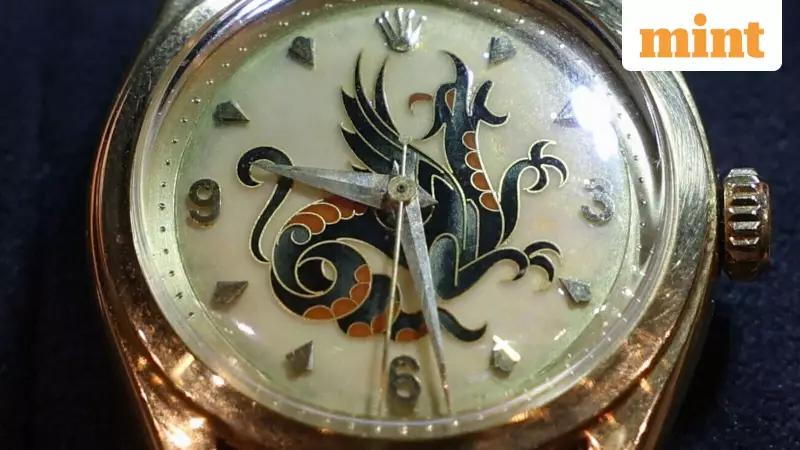
The exclusive wait lists for coveted luxury items like Hermès Birkin handbags and Rolex watches are becoming shorter, a trend highlighted by declining resale values in the secondary market. This shift suggests that even the most sought-after luxury brands are experiencing a slowdown in demand, challenging the traditional scarcity-based business model that has fueled their success.
Scarcity Business Model Under Pressure
Luxury companies have long thrived on deliberately limiting supply to create artificial scarcity, driving up both primary market prices and secondary market premiums. This strategy has been a gold mine for brands like Ferrari, which boasts a market capitalization of $59.6 billion despite producing fewer than 15,000 cars annually, compared to Porsche's 300,000+ vehicles. Similarly, in the watch industry, Patek Philippe manufactures only 72,000 watches per year, while Cartier produces nearly ten times that amount.
This scarcity typically translates to strong value retention in the resale market. Patek Philippe watches have historically commanded an 11% premium over their original price, whereas Cartier watches often resell at a 31% discount, according to WatchCharts data. The wait for in-demand models like the Patek Nautilus can stretch for years, prompting buyers to pay premiums for immediate access.

Resale Premiums in Decline
However, recent data reveals a concerning trend for luxury brands. Resale premiums for both Patek Philippe and Rolex watches have been declining for three consecutive years. Since January 2024, Rolex's average premium has roughly halved to about 7%, while Patek's premium has plummeted from 38% to 11%. This drop in value retention serves as a proxy for weakening underlying demand.
Several factors contribute to this decline. The market is normalizing after pandemic-era speculation drove prices to unsustainable heights. Increased supply in the secondhand market, as individuals liquidate expensive items for cash, is putting downward pressure on values. Additionally, significant price hikes in the primary market—such as Patek's 22% increase in the U.S. last year due to tariffs—are not being matched in the secondary market, shrinking resale premiums.
Hermès Birkin Bags Follow Similar Pattern
The trend extends beyond watches to luxury handbags. A Bernstein analysis of auction results for Hermès Birkin and Kelly bags shows resale premiums at their lowest since 2017. While shoppers still pay about 50% above retail for secondhand Birkins and Kellys, this figure is inflated by the popular Mini Kelly. Excluding this model, larger versions of the Kelly and Birkin sell at par with retail prices after auctioneer commissions are factored in.
Luca Solca, Bernstein luxury analyst, notes: "Current resale premiums suggest that waiting lists have shortened, and total supply for Hermès' bags is now closer to demand than before." This is particularly significant for Hermès, which relies on a bundling practice where customers must spend thousands on other Hermès products like clothing and furniture to qualify for a Birkin. The approximately 150,000 Birkin and Kelly bags produced annually drive about 25% of Hermès' overall sales, creating spillover demand into other categories.
Implications for Luxury Brands
Falling resale values pose challenges for brands that depend on scarcity and exclusivity. Hermès' non-handbag categories, such as watches and perfume, have shown declining sales, further indicating reduced competition for Birkins. Yet, the scarcity model offers an economic hedge: wait lists expand during booms and contract during lean times, smoothing sales volatility.
Historically, this model has delivered exceptional returns. Ferrari and Hermès have provided total shareholder returns of nearly 700% over the past decade, far outpacing Gucci owner Kering's 140%. Resale premiums also act as free advertising, with online platforms like Watchfinder.com and The RealReal highlighting which brands retain value, reinforcing hype and keeping marketing costs low—Hermès spends just 4% of sales on advertising.

The Delicate Balance of Scarcity
Maintaining this strategy requires careful execution. David Dubois, associate professor of marketing at INSEAD, explains: "Scarcity works only when customers believe tight supply results from genuine capacity constraints." Hermès benefits from each Birkin being hand-stitched by a single artisan, justifying limited production. Brands that outsource or use machinery struggle to convey authentic scarcity.
Allocation adds another layer of complexity. Securing coveted Patek Philippe watches often requires a letter to the CEO detailing previous purchases and resale history. Similarly, Ferrari prioritizes clients based on their existing Ferrari collection and participation in racing programs. These practices ensure goods reach ultra-wealthy, loyal customers but become less effective as demand wanes.
Market Outlook and Consumer Impact
For ultra-wealthy shoppers, falling resale premiums mean easier access to luxury items with fewer hurdles. However, for brands, dwindling wait lists signal potential trouble. The luxury market's reliance on scarcity and exclusivity faces a test as economic conditions and consumer behavior evolve. While the scarcity model has proven resilient, current trends suggest a recalibration may be underway, with implications for both brands and buyers in the high-end market.