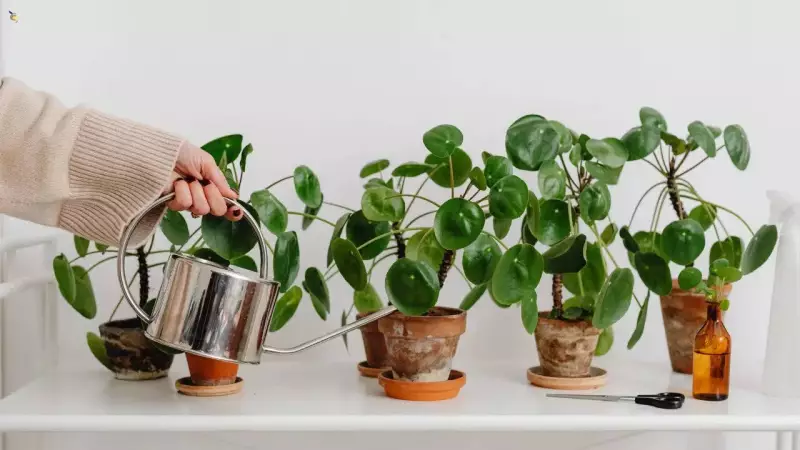
For many plant enthusiasts in India, showing love often means reaching for the watering can. However, this well-intentioned act is the leading cause of indoor plant demise. Overwatering, a surprisingly common error, can silently suffocate your beloved greens, leading to a condition far more dangerous than neglect.
Spotting the SOS Signals from Your Overwatered Plant
Your plant communicates its distress clearly if you know what to look for. Recognising these signs early is the key to a successful rescue mission.
Yellowing leaves, particularly starting from the lower part of the plant, are a classic alarm bell. This happens because waterlogged roots cannot absorb oxygen or nutrients from the soil. Wilting is another deceptive sign; while it usually indicates thirst, a plant drowning in excess moisture will also droop as its rotten roots fail to function.

Keep an eye out for brown, mushy spots on leaves, especially at the edges. This is often a sign of fungal or bacterial infections thriving in the wet environment. The soil itself tells a tale: if it remains heavy, wet, and muddy several days after watering, you have overdone it. Healthy soil should begin to dry out within a couple of days.
Finally, if healthy leaves are falling off with a gentle touch, the plant is under severe stress from prolonged root damage. It simply lacks the strength to hold onto its foliage.
The 10-Step Rescue Plan for an Overwatered Plant
If you've spotted the warning signs, don't panic. With prompt and correct action, you can often nurse your plant back to health.
First, assess the damage. Mild overwatering may cause slight yellowing, while severe cases involve root rot—black, soft, foul-smelling roots. Stop all watering immediately. Do not add another drop until the top inch of soil is completely dry to the touch.
Move the plant to a bright, airy spot with indirect light to help the soil dry faster. Avoid harsh direct sun, which can further stress the plant. If the soil is soggy, it's time for a pot intervention. Gently remove the plant and carefully brush away the wet soil to inspect the roots.
Now, perform some delicate surgery. Using clean, sterilised scissors, prune away all yellowed or rotten leaves and any dark, soft, or slimy roots. Healthy roots are firm and white. This directs the plant's energy towards recovery.
Repot your plant in a fresh, well-draining potting mix. Opt for a light blend containing perlite, sand, or orchid bark to improve aeration. Crucially, ensure your new pot has adequate drainage holes. After repotting, resist the urge to water. Allow the plant a few days to heal and acclimatise to its new, drier home.
Preventing a Repeat: Cultivate Smarter Watering Habits
Revival is only half the battle. Changing your care routine prevents history from repeating itself.
Adopt the 'soak and dry' method: water thoroughly until it runs from the drainage holes, then wait until the top layer of soil is dry before watering again. Ditch a rigid schedule. Instead, check soil moisture regularly by feeling it with your finger. This simple habit is more reliable than any calendar reminder.
Permanently upgrade your plant's living conditions. Always use pots with drainage holes and breathable soil mixes. Adding materials like perlite, pumice, or even broken clay pot pieces (kullads) to your soil can dramatically improve drainage, a crucial hack for India's humid climate.
Watch for signs of recovery: new growth, firmer leaves, and a return of vibrant colour. If problems persist, re-examine the roots and adjust your care. Remember, most plants are remarkably resilient and can thrive again with proper drainage, cautious watering, and a little patience. By learning to read your plant's signals and adjusting your habits, you can transform from an overzealous waterer into a confident plant parent.