How to Spot a Fake Diamond: 10 Simple Tests for Buyers
Purchasing a diamond can be an intimidating experience, whether it's for an engagement ring, a special gift, or a personal investment. That nagging doubt—"What if this isn't real?"—is not unfounded, as counterfeit diamonds and convincing imitations are more prevalent than many realize. While some fakes are obvious, others can deceive even cautious shoppers at first glance. Fortunately, you don't need specialized equipment or gemological training to detect most fakes. A series of straightforward, everyday checks can provide significant insights. Let's explore these methods step by step.
First Things First: Not Everything Shiny Is a Diamond
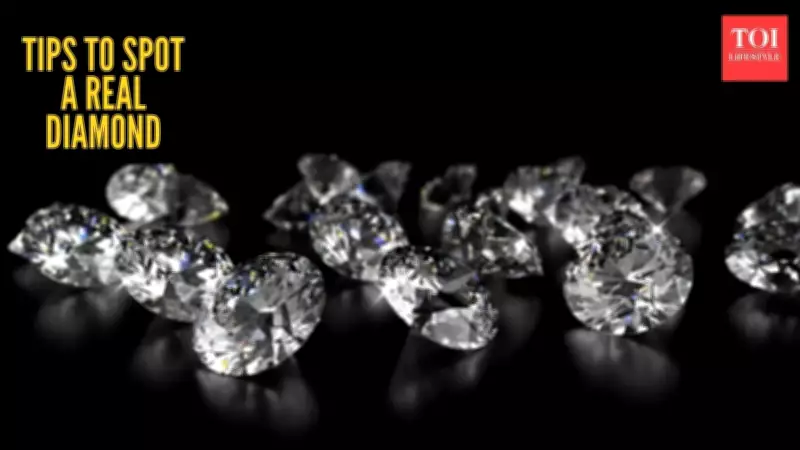
Before diving into tests, it's crucial to understand that numerous stones mimic diamonds. Common lookalikes include cubic zirconia, moissanite, and even plain glass in inexpensive jewelry. These can appear remarkably convincing under bright store lighting, especially when set in polished rings or pendants. However, diamonds exhibit unique properties related to light, heat, and pressure, which form the basis for distinguishing them from fakes.
1. The Fog Test: Quick and Easy
This test is incredibly simple. Breathe on the stone as if fogging up a mirror. A genuine diamond will clear up almost instantly due to its efficient heat dispersion. In contrast, a fake diamond typically remains foggy for several seconds. While not laboratory-grade, this method offers a rapid initial clue.

2. Check the Sparkle: Not Just Shine
Diamonds sparkle in a specific manner. A real diamond usually displays bright white flashes and a subtle rainbow reflection, but not excessively. If the stone appears overly rainbow-heavy or flashy, it might be fake. For instance, cubic zirconia often produces a "disco ball" effect. Authentic diamonds tend to look more balanced and natural.
3. The Water Test: Simple but Useful
Fill a glass with water and drop the stone in. A real diamond will sink quickly because of its high density. Many fakes, however, may float briefly or sink slowly. This isn't perfect science, but it serves as a decent quick check when uncertainty arises.
4. Examine the Jewellery Setting
This aspect is often overlooked. If a "diamond" is set in very cheap metal, consider it a red flag. Genuine diamonds are typically mounted in gold, platinum, or high-quality certified silver. Also, inspect the finish: Are the edges neat or rough? Does the piece feel lightweight and flimsy? Sometimes, the setting reveals more about authenticity than the stone itself.
5. The Dot Test: Surprisingly Handy
Place the stone on a piece of paper with a small dot drawn on it. Look through the stone. If you can clearly see the dot, it might be fake, as real diamonds distort light significantly, making the dot hard to discern. This test provides a good "gut check" though it's not infallible.
6. Look for Bubbles Inside
Using a magnifying glass, examine the stone closely. Real diamonds do not contain air bubbles. If you spot tiny bubbles, it's likely glass or synthetic material. Natural diamonds may have minor internal flaws called inclusions, but these are not round bubbles.
7. Heat Test: Don't Try This at Home
While diamonds are highly heat-resistant, attempting to heat jewelry yourself is risky and can damage the setting. Professionals use heat-based tools for testing, so it's best to leave this method to experts.
8. Beware of "Too Perfect" Stones
This point might seem counterintuitive but is important. If a diamond appears super flawless, unusually cheap, and too good to be true, it probably is. Real diamonds often have tiny natural inclusions, which experts sometimes use to verify authenticity. Thus, minor imperfections can be reassuring rather than detrimental.
9. Always Request Certification
This is the safest approach to avoid confusion. A genuine diamond typically comes with certification from reputable labs like GIA or IGI, detailing cut, clarity, carat, and color. If no certificate is provided, exercise extra caution.

10. When in Doubt, Consult a Jeweller
There's no shame in seeking professional advice. Even experienced buyers double-check occasionally. A jeweller can quickly test the stone using proper tools such as diamond testers, magnification lenses, and light refraction devices. A brief check can prevent costly mistakes.
A Quick Reality Check
No single home test is 100% perfect, but combining several methods yields a clearer picture. For example, performing the fog test, water test, and sparkle check together provides strong hints, while adding certification verification offers near-complete confidence.
Final Thoughts
Identifying a fake diamond isn't about being an expert; it's about attentiveness. If something feels off—whether it's the price, appearance, or overall feel—trust your instinct and double-check. Real diamonds usually come with proof, not just promises. By mastering these simple tricks, jewelry shopping becomes less stressful and more within your control.