For gardeners, advice often revolves around how much water to give plants. However, a critical factor that is frequently overlooked is the timing of watering. Many common plant issues don't stem from pests or bad soil, but from something as simple as moisture lingering on leaves for too long.
The Hidden Danger of Wet Leaves
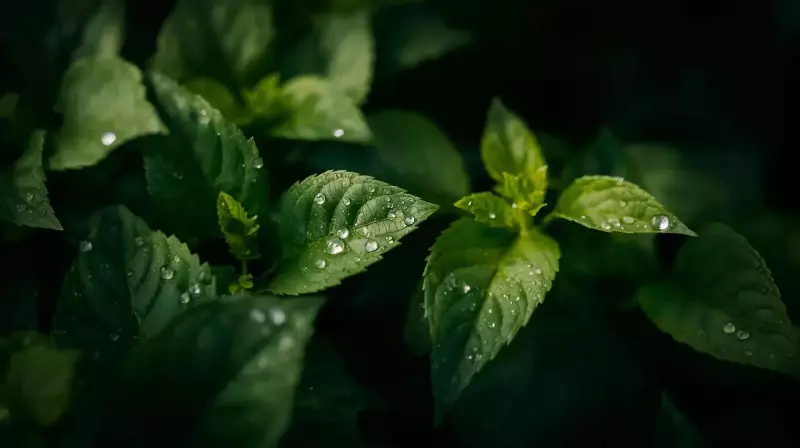
Water is essential for plant growth, but the real enemy is free moisture that sits on leaves and stems. This is especially problematic when light and air circulation are limited. The problem often builds up quietly during our daily routines, linked more to when we water rather than how often. By paying closer attention to the time of day you water and observing how long plants stay damp afterwards, you can significantly reduce disease pressure without resorting to chemicals or major changes.
Why Timing is a Critical Factor for Disease
According to experts from Mississippi State University, water on plant surfaces creates a prime opportunity for pathogens. Fungal spores and bacterial cells require moisture to become active and spread. Many cannot even begin to infect a leaf unless it remains wet for several consecutive hours.

This scientific fact explains why timing is so crucial. Dew naturally coats plants overnight, typically from midnight through early morning. If you water while dew is still present or just as it starts to dry, you effectively extend that dangerous wet period. The longer leaves stay damp, the more time pathogens have to germinate and penetrate plant tissue. While temperature also plays a role, moisture is the factor gardeners have the most direct control over.
The Worst Times to Water Your Garden
Contrary to popular belief, early morning is one of the riskiest times to water plants. Although it seems sensible, watering at this time often overlaps with the natural drying of dew. This keeps leaves wet well into the day, providing an extended window for disease.
Evening watering can be even more detrimental. As daylight fades, evaporation slows down and humidity rises, effectively trapping moisture on leaves throughout the entire night. This effect is amplified inside dense plant canopies where inner leaves, sheltered from sun and wind, are the last to dry. This is precisely where fungal diseases often begin. Furthermore, water splashes can move spores from the soil to lower leaves and upwards, with wind carrying them even further.
How to Time Your Watering Correctly
Observation is more valuable than rigid rules. Watch how long dew stays on your plants and notice when the leaves finally dry. The goal is to water so that plants dry at the same time they would naturally, not later.
- If watering in the morning, do it early enough so that leaves dry along with the dew, not after it.
- If you must water in the evening, finish well before dark so all surfaces are dry before nightfall.
- Opt for deep, less frequent watering over light daily sprinkling. This reduces the number of wet periods and encourages roots to grow deeper into the soil, which stays moist longer.
Additional Tips to Keep Plants Dry and Healthy
Improving airflow and light penetration is key. Prune dense growth to allow sunlight to reach inner leaves and help them dry faster. Proper plant spacing also reduces humidity around them. Where possible, water directly at the soil level using drip irrigation or soaker hoses, keeping moisture off the leaves entirely.
For lawns or plants where overhead watering is unavoidable, timing becomes even more critical. Some gardeners even gently brush dew away in the morning using a pole or hose to shorten the wet period. Ultimately, when moisture is managed well, disease pressure often fades away quietly.
Remember, roots follow water. Deep watering trains roots to grow downwards into soil that retains moisture longer. You can check soil moisture depth with a simple wooden dowel. Fewer watering sessions mean fewer wet leaves, and shorter wet periods mean fewer spores get the chance to activate. Disease doesn't disappear overnight, but by mastering the timing of your watering, you give it far fewer opportunities to take hold.