Understanding feelings, empathizing with experiences, and respecting perspectives are core values that help individuals connect with others. In a world where connection matters more than ever, raising children who are socially aware and respectful is crucial. These qualities are cultivated through everyday conversations, observations, and experiences. Parents play a pivotal role in developing these skills. Here are five essential lessons to help parents raise socially aware and respectful children, nurturing them into kind human beings.
Teach Empathy Through Everyday Conversations
Empathy is the ability to understand and share another person's feelings. Parents can encourage this by regularly discussing emotions. When a child sees a friend upset or hears about a difficult situation, prompt them to ask if their friend needs help. These simple habits make children more attuned to others' emotions, fostering compassion and understanding over time.
Encourage Appreciation of Differences
Children are naturally curious about differences in appearance, language, and abilities. Instead of avoiding these topics, parents can teach children to embrace diversity. Use these moments to instill acceptance and understanding. Children who learn that differences are normal and valuable are less likely to develop prejudices and more likely to build meaningful relationships.

Model Respectful Behavior at Home
Children learn more from observation than from lectures. The way parents interact with neighbors, strangers, and others leaves a lasting impression. Children gradually model these behaviors. Parents who treat everyone with courtesy teach a powerful message without uttering a word. By demonstrating respect, parents set a standard for their children to follow.
Involve Children in Acts of Kindness
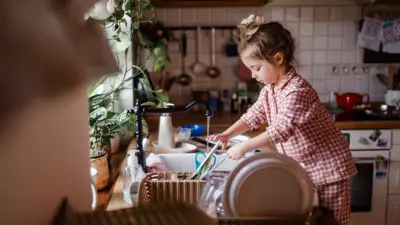
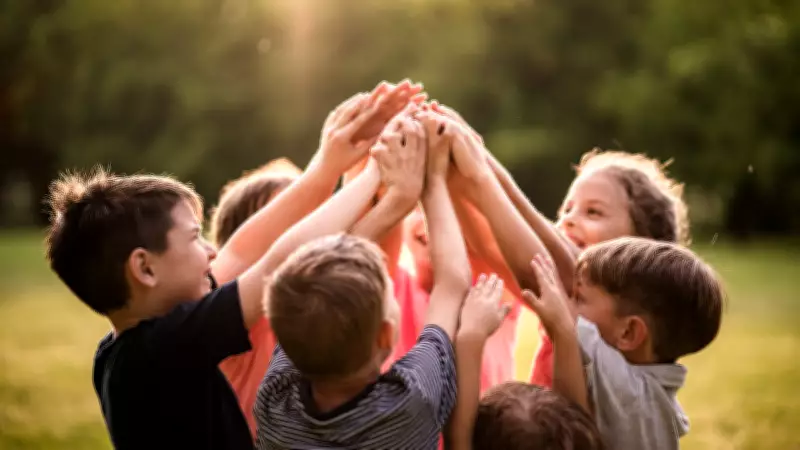
Kindness is a powerful tool that connects the world. When children understand kindness, they embody strong values. Rather than just telling children to be kind, parents can create opportunities for them to practice kindness daily. When children see the impact of their kindness, they develop a sense of social responsibility.
Teach Respectful Communication
Healthy relationships are built on respectful communication of thoughts and feelings. This involves not only expressing oneself but also listening attentively and using polite language, even during disagreements. These habits improve interactions and help children become confident communicators who express themselves thoughtfully.
By incorporating these lessons into daily life, parents can raise children who are empathetic, respectful, and socially aware, preparing them to navigate the world with kindness and understanding.