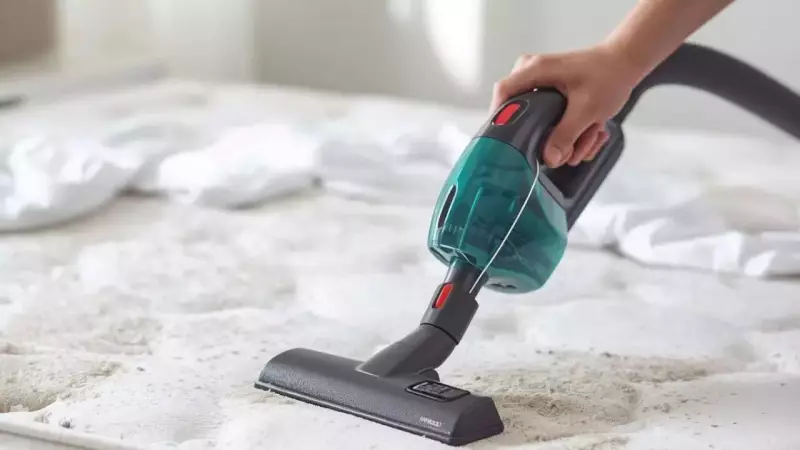
Your mattress is like a second home because you spend so much of your life sleeping on it. Keeping it clean is crucial for your health and comfort. Many people wash their sheets regularly but forget about the mattress itself. Over time, dust, dead skin cells, sweat, and allergens like dust mites build up inside it. This buildup can trigger allergies and make sleeping difficult. While deep cleaning is sometimes necessary, a simple home method using your vacuum cleaner can work wonders. This article explains how to vacuum your mattress properly and answers common questions about frequency and benefits.
Why Vacuuming Your Mattress Matters
Your mattress isn't just a place to rest. It secretly collects dust, human skin cells, dead bugs, and allergens every night. Dust mites love warm, moist areas like beds. They survive by eating dead human skin cells, which can cause allergic reactions, sneezing, and congestion. Vacuuming your mattress thoroughly helps remove these irritants. You can change your bedding every week or two, but mattresses need different care. Regular vacuuming keeps your sleep environment healthier.
How Often Should You Vacuum Your Mattress?
Experts advise vacuuming your mattress every one to three months. This routine prevents dust from accumulating too much. If someone in your family has allergies or sensitive lungs, aim to vacuum once a month. Removing allergens regularly can improve breathing and reduce symptoms. Also, vacuum your mattress before deep cleaning if you spill something on it, notice pet hair, or detect a musty smell. This step makes deep cleaning more effective.

Steps to Vacuum Your Mattress Correctly
Cleaning a mattress isn't like sweeping a floor. It requires a bit more attention to get it truly clean. Follow these steps for best results.
- Strip the bed: Remove all sheets, pillowcases, and mattress protectors. This gives you access to every corner of the mattress.
- Use the right attachment: A HEPA-filter vacuum cleaner with an upholstery brush works best. It removes fine particles effectively.
- Go slow: Vacuum in rows across the mattress surface. Then, rotate the mattress and vacuum the other side too.
- Focus on seams and edges: Dust and dust mites often gather in seams, edges, and folded areas. Pay extra attention to these spots.
- Finish with fresh air: If possible, let the mattress air out for a few hours with a window open. This adds freshness and reduces moisture.
Extra Tips for a Cleaner Mattress
Maintaining a clean sleep environment goes beyond vacuuming. Adopt these easy habits to boost health and comfort.
- Use a mattress protector: A water-resistant, allergen-proof cover prevents spills and dust from reaching the mattress.
- Wash bedding weekly: Clean sheets reduce the transfer of dead skin cells and oils to the bed.
- Keep pets off the bed: If possible, avoid letting pets sleep on the mattress. Pet hair and dander accumulate quickly.
- Air your mattress occasionally: Give the mattress some sunlight. Letting it breathe and dry helps reduce moisture and keeps dust mites away.
By following these tips, you can enjoy a fresher, healthier mattress that supports better sleep. Remember, a clean mattress contributes to overall well-being, so make it part of your regular home care routine.