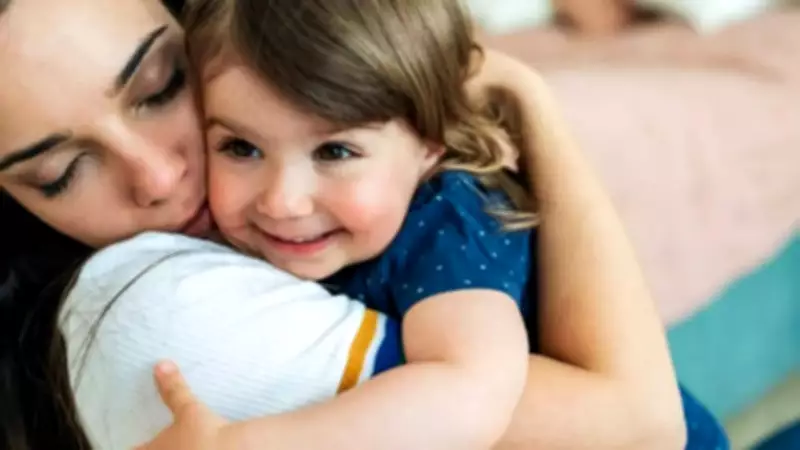
The Emotional Significance of Toddler Hugs and Cuddles
While toddler hugs and cuddles may appear as simple, everyday actions, they carry profound emotional weight that is essential during the early stages of development. At this tender age, children are actively learning to express their emotions and forge meaningful connections with those around them. Since toddlers have not yet fully developed their verbal and communicative abilities, physical affection becomes one of the most accessible and effective ways for them to convey feelings of love, trust, and security. When a toddler runs towards a parent for a hug or cuddles up close, it is a clear expression of the deep emotional bond they share, highlighting the importance of these gestures in nurturing relationships.
A Way of Expressing Love and Comfort
Hugs and cuddles serve as a primary method for toddlers to express their feelings of love, especially when words are not yet within their grasp. During the toddler stage, children often lack the capacity to articulate emotions like "I love you," making physical touch a vital alternative. By hugging or cuddling with a parent, toddlers communicate their affection, demonstrating that they feel comfortable and emotionally connected. These acts not only reinforce the bond between child and parent but also foster a sense of closeness and warmth within the family unit, creating a foundation for lifelong emotional health.
Seeking Comfort and Reassurance in Tough Moments
Toddlers frequently seek hugs when they experience sadness, fatigue, or frustration, using physical closeness as a source of solace. In these moments, being held by a trusted individual provides a sense of security that helps them calm down and regain comfort. This reliance on hugs teaches toddlers that they can always turn to someone during difficult times, aiding in emotional regulation and resilience. Over time, this understanding builds confidence, as they learn that support is readily available, making it easier to navigate the ups and downs of early childhood.

Building Trust and Emotional Security Through Affection
Regular affectionate interactions, such as hugging and cuddling, establish a solid foundation of trust between toddlers and their parents. When toddlers receive affection in response to their hugs, they feel emotionally secure and valued. This security empowers them to explore their surroundings with confidence, knowing they have a safe haven to return to. A simple hug can convey feelings of being loved, cherished, and cared for, reinforcing the idea that they can always depend on their caregivers, which is crucial for healthy emotional development.
Learning Empathy and Social Connection
Physical affection plays a key role in teaching toddlers about emotional connections and empathy. By experiencing gentle hugs and caring gestures from adults, toddlers begin to understand how affection can comfort others. As they grow, they may start offering hugs to friends, siblings, or parents who appear upset, demonstrating early signs of empathy. These small acts of kindness indicate that toddlers are learning to recognize and respond to the emotional needs of others, laying the groundwork for positive social relationships in the future.
Strengthening the Parent-Child Bond Over Time
The most significant aspect of toddler hugging and cuddling is its role in strengthening the parent-child relationship. These affectionate acts create lasting memories filled with warmth and emotional involvement, whether during playtime, bedtime, or after a long day. Over the years, consistent hugging and cuddling reinforce a sense of belonging and trust within the family, building a strong and enduring bond that continues to influence the child's emotional growth. By prioritizing these moments, parents can support their toddler's development in a nurturing and loving environment.