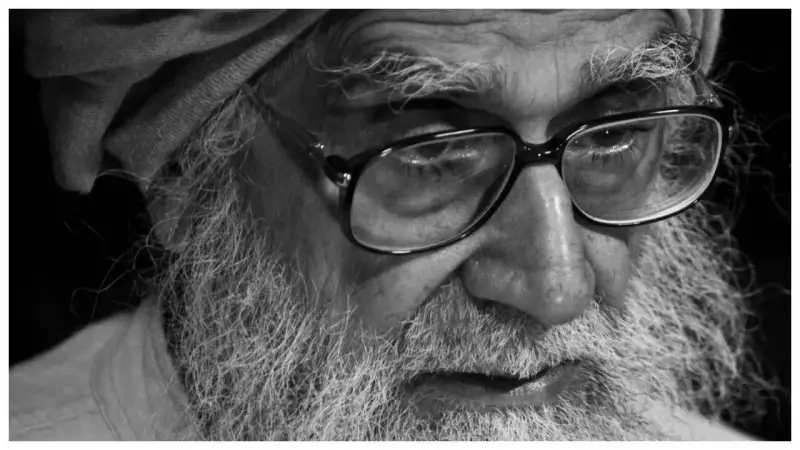
We often fear the obvious predators—the tiger, the bear, or the lion. Yet, the most formidable adversaries we face are not these majestic beasts but entities invisible to the naked eye: bacteria. In a powerful analogy, scholar Maulana Wahiduddin Khan reveals that moral negligence operates much like these deadly microorganisms, creeping silently into our character and causing irreversible corrosion if left unchecked.
The Unseen Enemy: Bacteria and Moral Decay
It's a startling fact that while large predators pose an occasional threat, humanity exists in a constant state of siege from billions of bacteria. Medical science confirms that all fatal diseases are caused by such microorganisms. Their minuscule size allows them to bypass our natural defenses with ease. Similarly, moments of ethical carelessness—when we fail to act, advise, or self-reflect—slip past our conscious guard. These seemingly insignificant moments of neglect are the breeding ground for a decaying character.
The Staggering Mathematics of Waste
The danger of both bacteria and negligence lies in their exponential growth and cumulative impact. Under ideal conditions, a single bacterium can reproduce 10,000 times in just ten hours. Likewise, a negligent attitude compounds over time. Wasting a few hours or rupees in a day seems trivial. However, calculating this wastage over a year or a lifetime reveals a shocking truth: nearly fifty percent of one's life and earnings are squandered on vain pursuits. When this pattern is multiplied across a nation, the loss becomes an unimaginable drain on collective potential.

Pulling Up Short: The Antidote to Corrosion
Just as we combat harmful bacteria with medicine and hygiene, we must actively fight moral negligence. The key is vigilance in those critical moments—when duty calls for timely action, when approval must be judiciously given or withheld, or when honest self-appraisal is needed. Letting these occasions slip by fosters an ingrained attitude of easy-going negligence. The consequence is a gradual yet severe moral corrosion that diminishes personal integrity and national progress.
The lesson is clear. We must train ourselves to recognize and counteract the subtle, bacteria-like creep of complacency in our moral and practical lives. By valuing time, resources, and ethical vigilance, we protect not just our physical health from germs, but the very health of our souls and society from decay.