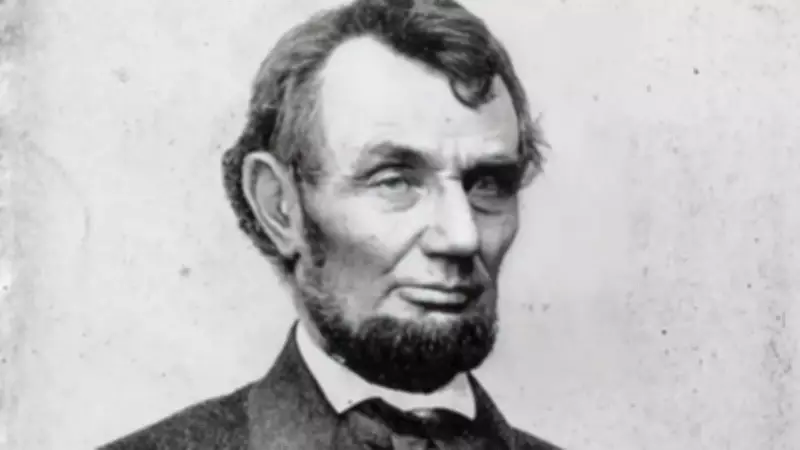
Abraham Lincoln's Timeless Insight on Character and Reputation
In our daily interactions, individuals are frequently evaluated based on external perceptions and hearsay. This societal judgment can significantly influence how people are treated, yet it often fails to capture the complete essence of who they truly are. Amidst this complexity, the wisdom of Abraham Lincoln offers a clarifying perspective, distinguishing reality from mere appearance.
The Legacy of a Great Leader
Abraham Lincoln, a pivotal figure during one of America's most challenging historical periods, was renowned for his eloquent yet straightforward communication. His words continue to resonate today because they address fundamental human principles. Through a simple analogy, he makes a profound concept accessible: "Character is like a tree, and reputation like its shadow. The shadow is what we think of it; the tree is the real thing."
Decoding Lincoln's Metaphor
This quote employs a natural imagery to elucidate a human truth. A tree symbolizes something solid, genuine, and deep-rooted, evolving over time and representing an independent existence. In contrast, a shadow is merely a reflection, fluctuating with light, angle, and perspective. Lincoln equates character to the tree, encompassing honesty, integrity, and consistent actions that define a person's core. It develops gradually through repeated behaviors and choices.

Reputation, likened to the shadow, reflects how others perceive an individual. It can shift rapidly based on opinions, information, or misunderstandings, often failing to present a full picture, much like a shadow's transient nature.
Why Character Holds Greater Significance
While reputation is visibly impactful, affecting social acceptance, career opportunities, and public image, it can be misleading or inaccurate. Character, however, remains steadfast even in solitude, guiding decisions and actions. Lincoln's analogy emphasizes that true value lies in character, not in external validation. This perspective shifts focus from superficial appearances to intrinsic worth, encouraging the cultivation of strong moral values over mere image management.
The Formation of Reputation in Contemporary Society
Reputation is often shaped by public behavior, communication, and social interactions, influenced by media, digital platforms, and personal networks. Its fluidity means it can alter swiftly due to events or misinterpretations, akin to a shadow changing with light. Lincoln's comparison highlights that reputation should not be the sole measure of an individual, as it is merely one aspect and may not always be truthful.
Actions as the Foundation of Character
Character is not built overnight but grows through consistent actions over time. Every decision, whether minor or major, contributes to a person's identity. Traits like daily honesty, workplace responsibility, and respectful treatment of others form character, which may not be immediately apparent but ultimately shapes an individual. Lincoln reminds us that character is the essence, with reputation potentially following but never equating to the real substance.
Real-World Applications of Lincoln's Wisdom
This concept finds relevance across various life domains. In professional settings, individuals are often assessed based on performance and perception; reputation can aid advancement, but character ensures long-term success. In personal relationships, trust is fostered through consistent actions, where initial impressions may give way to revealed true character over time. In leadership, public figures are judged by reputation, yet history remembers them for their character and deeds.
A Simple Analogy with Profound Implications
The enduring popularity of this quote stems from its simplicity. The imagery of a tree and its shadow is easily grasped, yet it effectively illustrates the distinction between reality and perception. A tree exists independently of its shadow, remaining unchanged even if the shadow shifts or disappears. Similarly, a person's character is distinct from their reputation, helping individuals recognize that others' opinions do not define their true self.

Other Notable Quotes by Abraham Lincoln
- "Government of the people, by the people, for the people, shall not perish from the Earth."
- "Those who deny freedom to others deserve it not for themselves."
- "I am a slow walker, but I never walk back."
- "Whatever you are, be a good one."
Why This Message Remains Vital Today
In an era where information spreads rapidly, reputation can change in an instant. Social media and digital platforms facilitate quick opinion formation, making the distinction between character and reputation even more crucial. Lincoln's quote serves as a reminder that while reputation may influence perception, it does not determine identity. A person's true worth lies in their actions, choices, and integrity, addressing a fundamental human desire to be recognized for one's authentic self.
Key Takeaways from Lincoln's Perspective
The quote delivers a clear message: character constitutes the real essence of a person, whereas reputation is merely external judgment. Though interrelated, they are not identical. By prioritizing character, individuals can forge a stable and resilient identity. While reputation may evolve, character endures. Abraham Lincoln's words provide a lucid framework for looking beyond appearances and focusing on what genuinely defines us.