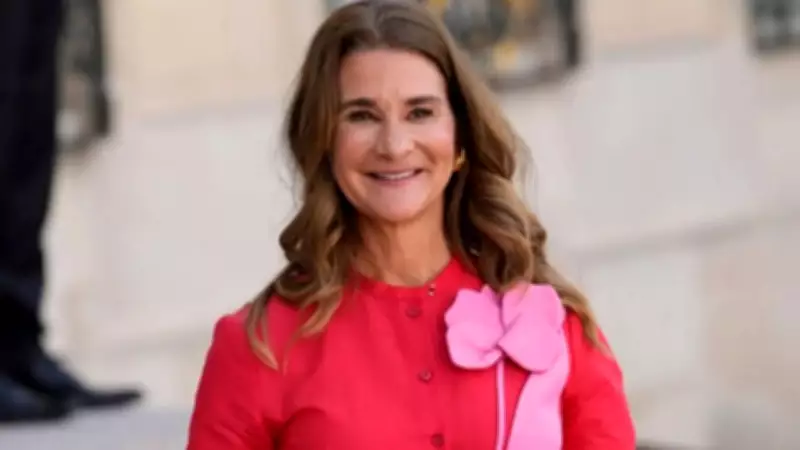
Melinda French Gates' Wisdom on Embracing Change with Flexibility and Adaptability
In an ever-evolving world, clarity often emerges from simplicity. Melinda French Gates, philanthropist and former spouse of Bill Gates, offers a profound perspective with her statement: “There are all kinds of people and things that will come into your life, and if you can be flexible and adaptable, change doesn’t have to be scary.” This sentiment holds universal truth, applicable to personal experiences, professional environments, and daily routines alike.
The Core Meaning of the Quote: Flexibility and Adaptability as Essential Skills
What distinguishes this quote is its pragmatic approach to fear. Rather than advocating for the complete elimination of fear, it provides a constructive framework for handling it. The focus shifts from the inherent uncertainty of change to an individual's capacity to manage it effectively. Essentially, it suggests that fear is not solely about external circumstances but also about one's readiness to evolve. This makes the message particularly significant in our dynamic, modern era.
The quote centers on two critical attributes: flexibility and adaptability. These are not mere personality traits but practical skills that influence how people confront challenges daily. The first part, “there are all kinds of people and things that will come into your life,” acknowledges life's unpredictability, where encounters with new individuals and shifting situations are commonplace. The second part offers a solution: by being flexible, individuals can accept deviations from plans and adjust their actions and mindset accordingly. Adaptability complements this by enabling proactive responses to novel scenarios, demonstrating that change becomes less intimidating when met with openness rather than resistance.

Why This Quote Resonates Deeply with People
This quote strikes a chord because it mirrors real-life experiences. Everyone has faced moments where plans unravel—whether due to career shifts, relationship changes, or minor disruptions like delays or unexpected duties. Initial reactions often involve discomfort or hesitation, but the quote validates these feelings while providing a pathway forward. It emphasizes that with the right attitude, change need not be frightening, offering a sense of empowerment in uncertain times.
The Role of Flexibility in Alleviating Stress and Enhancing Resilience
Flexibility allows individuals to modify their expectations, reducing the impact of unforeseen events. Those rigidly adhering to strict plans may perceive even slight alterations as significant setbacks. In contrast, embracing flexibility fosters a mindset open to diverse outcomes, making it easier to navigate obstacles. For instance, in daily life, plans frequently change due to uncontrollable factors; instead of fixating on what went wrong, flexibility encourages exploring alternative solutions. This approach not only lowers stress levels but also promotes long-term calmness and resilience. The quote subtly highlights that flexibility is not about relinquishing control but about managing situations more effectively.
Adaptability as a Practical and Developable Life Skill
While flexibility pertains to mindset, adaptability involves actionable responses. It entails learning to cope with new environments and making necessary adjustments. Real-world examples abound: a student acclimating to a new school, an employee acquiring fresh skills, or a family relocating to a different city. Adaptability improves with practice; the more individuals encounter change, the better they become at handling it, gradually diminishing fear over time. The quote illustrates this by showing that as people cultivate adaptability, change loses its daunting nature.
Reflections on Leadership and Global Impact
Melinda French Gates' work with the Bill & Melinda Gates Foundation, addressing complex issues in education, healthcare, and social development, underscores the quote's relevance to leadership. In such contexts, unpredictability is constant, and solutions must be tailored to diverse communities. This necessitates both personal and organizational flexibility and adaptability. The quote reflects real-world demands, affirming that adaptability is not just beneficial but essential in fluid environments.

Understanding the Common Fear of Change and How to Overcome It
Fear of change is natural, often stemming from uncertainty about the future and a lack of control. People may dread making errors or facing unfamiliar situations. However, the quote redirects attention from fear itself to the capacity for adaptation. It posits that by embracing change, individuals can mitigate fear, acknowledging that while change may not be easy, it is manageable. This offers a practical strategy for confronting uncertainty rather than avoiding it.
Relevance in Today's Fast-Changing World
Contemporary life is characterized by rapid transformations in technology, workplaces, and social dynamics, requiring constant learning and adjustment. This amplifies the quote's importance, reminding us that change is a normal, ongoing aspect of existence. Adopting this mindset prepares individuals for new challenges and enhances their ability to cope, fostering a proactive rather than reactive approach.
Additional Insights from Melinda French Gates
- “A woman with a voice is, by definition, a strong woman.”
- “When we invest in women and girls, we are investing in the people who invest in everyone else.”
- “You can’t change the world alone—you need partners.”
Practical Takeaways for Everyday Life
The quote's power lies in its simplicity, advocating for a subtle shift in perspective rather than drastic behavioral changes. By accepting change as inevitable and focusing on adaptability, people can reduce stress and build confidence over time. This applies equally to professional and personal spheres, empowering individuals to handle new situations with assurance.
A Constructive Approach to Navigating Change
Melinda French Gates' quote offers a clear, actionable framework for dealing with change. It does not promise ease but explains how fear can be diminished through flexibility and adaptability. In a perpetually shifting world, this message serves as a vital reminder that adaptability is among the most crucial skills one can develop, enabling progress and reducing apprehension.