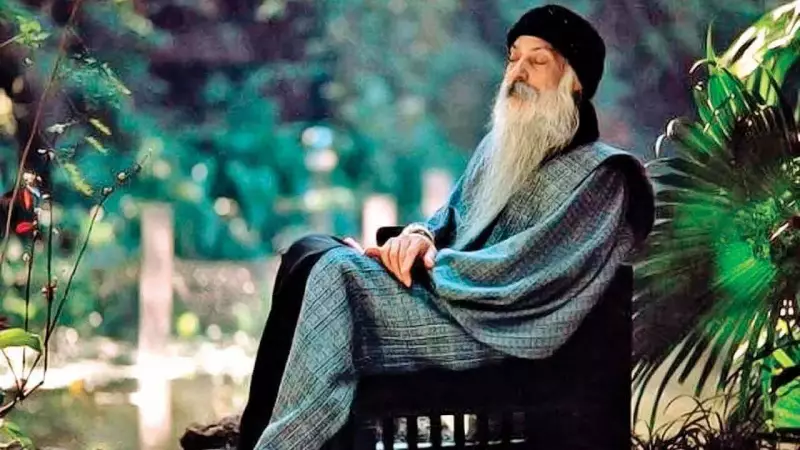
In a world obsessed with exceptional talent and genius, the revolutionary mystic Osho presented a radically different view. He dismantled the pervasive belief that extraordinariness is the birthright of a select few. According to Osho, every single individual enters this world with an identical capacity for profound depth, vibrant awareness, and true aliveness.
The Trap of Unconscious Living and Borrowed Goals
Osho argued that what separates an ordinary life from an extraordinary one is not innate intelligence or gifted talent. The real divider is the level of consciousness with which one lives. He viewed ordinariness not as a personal failing, but as a direct outcome of living on autopilot. From our earliest years, society systematically programs us. We are taught what desires to cultivate, which milestones signify success, and even the persona we should adopt.
This process, Osho warned, slowly transforms life into a mere imitation. People relentlessly pursue objectives handed down by family expectations, cultural norms, or blind ambition, without ever pausing to question if these goals resonate with their authentic selves. This borrowed life, as he described it, saps vital energy and stifles innate creativity. When actions spring from deep-seated conditioning rather than present-moment awareness, existence becomes repetitive and burdensome, even if it appears successful to the outside world.

Awareness: The Ultimate Transformative Force
For Osho, the master key to transformation was simple yet profound: awareness. He clarified that becoming aware does not involve constant self-analysis or harsh correction. It means cultivating the ability to be a silent, non-judgmental witness to one's own stream of thoughts, emotional reactions, ingrained habits, and automatic responses. The very moment this light of awareness is shone within, the structures of mechanical living start to crumble.
Remarkably, the same mundane acts—eating a meal, performing a job, conversing with a friend—undergo a qualitative shift when performed with full consciousness. Osho emphasized that extraordinariness is not about achieving grandiose feats or rare accomplishments. True extraordinariness lies in performing the most ordinary tasks with complete presence and totality.
Why the Self-Improvement Industry Fails
Osho offered a sharp critique of the modern obsession with self-improvement. He believed the relentless effort to "fix" oneself or "become better" creates a damaging internal split. The mind fractures into a harsh judge and a defendant perpetually found guilty. This internal struggle, he cautioned, ultimately fortifies the ego instead of dissolving it.
In place of this forced improvement, Osho advocated for deep self-acceptance and clear seeing. Observing oneself honestly, without the filter of condemnation, allows for a natural and effortless transformation. Change that blossoms from genuine understanding is graceful. Change that is imposed through willpower and force only generates more inner tension and conflict.
Living with Totality and Abandoning Comparison
Another cornerstone of Osho's philosophy was the principle of totality. Whether one is engaged in cooking a simple meal, cleaning a space, teaching a class, or creating art, doing it with one's entire being brings intensity and joy. Half-hearted living, he identified, is the core reason people feel chronically unfulfilled. The extraordinary individual is not necessarily someone performing globally admired work, but someone who is fully immersed and present in whatever they do.
Osho also issued a strong warning against the poison of comparison. The instant a person measures their own worth against another's achievements, they sever the connection with their unique inner nature. While society promotes competition as a driver of greatness, Osho saw it as a source of anxiety and conformity. He often used the metaphor of a garden: a rose does not strain to become a lotus; each flower blooms in its own time and manner. Extraordinariness emerges when a person courageously lives in harmony with their own inner rhythm, disregarding borrowed standards.

The Power of Silence and Inner Clarity
Silence held a central place in Osho's vision for growth. He taught that without creating spaces of inner silence, a person can never hear the whispers of their own truth. Modern existence, saturated with incessant noise, digital distraction, and external opinions, keeps people superficially busy while leaving them internally empty. In silence, societal masks fall away. One ceases performing for an audience and begins to live from a place of authenticity. From this fertile silence, genuine creativity, clarity of purpose, and unconditional compassion naturally arise.
Finally, Osho pinpointed the desire for external recognition as a major barrier to inner freedom. When actions are motivated by a craving for approval, applause, or validation, the individual remains a prisoner to others' opinions. The truly extraordinary person, he said, is rooted in inner satisfaction. Action that springs from this inner clarity carries a powerful authority without aggression and leaves no lingering residue of regret or unfulfilled craving.