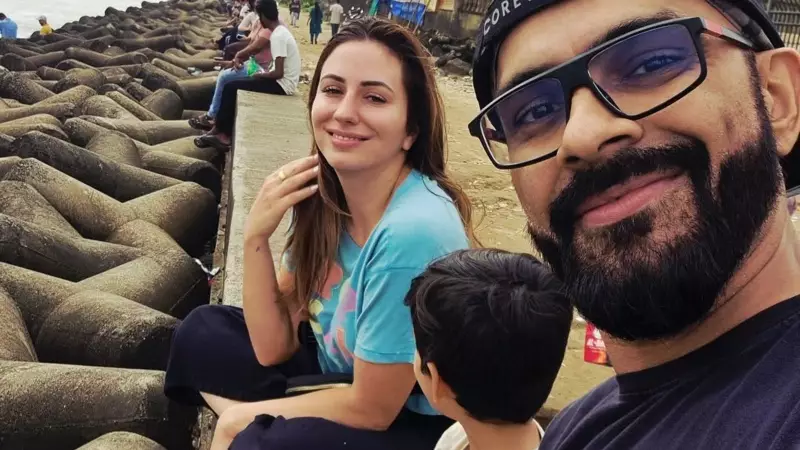
Raghu Ram Opens Up About Parenting Philosophy and Atheism
Former Roadies judge Raghu Ram recently shared candid thoughts about raising his 5-year-old son Rhythm during a podcast appearance. The television personality discussed his approach to parenting, emphasizing freedom of thought while revealing his personal stance on religion.
'We're Science Guys': Raghu's Stance on Religion
Raghu Ram made his position clear when asked how he would react if his son wanted to become religious. 'I'd be disappointed. I'd talk to him about it. We're science guys,' he stated on the Two Girls & Two Cups podcast. The confessed atheist explained that while he wants his son to be whatever he wants to be, the idea of him embracing religion would genuinely disappoint him.
The television personality also addressed common misconceptions about atheism during the conversation. 'People ask me why I hate God, but that's the wrong notion,' Raghu clarified. 'I am an atheist. Atheism is not believing; I don't hate God - that's called an anti-theist.'

Freedom in Language and Expression
Raghu revealed he isn't ashamed of his controversial past on Roadies and wants his son to understand this. 'I'm not ashamed of what I said. I'd like him to know that,' he shared. The former judge mentioned he has written a book with colorful language that he wants his son to read eventually.
'I want him to understand that, like smoking, drinking, and sex, language and the kind of words you use are a choice,' Raghu explained. 'I didn't learn it from my father. The world will teach him. He'd choose his own language. It wouldn't come from me.'
How Parents Can Encourage Independent Thinking
This raises an important question for all parents: how can those with strong personal beliefs - whether religious or non-religious - encourage their children to think independently without imposing their views?
Counselling psychologist Athul Raj provides valuable insights on this matter. 'Children learn most from what they see, not what they are told,' he explains. 'When a parent shows curiosity, respect for different ideas, and the courage to question their own thinking, the child learns that independent thought is valued.'
Raj emphasizes that such openness gives children 'psychological permission to think freely.' He notes that independence doesn't grow from instruction but from dialogue. When parents listen without judgment and make space for disagreement, children feel both guided and respected.
The Emotional Impact of Parental Disappointment
Can a parent's visible rejection or disappointment in their child's beliefs impact the child's sense of autonomy or emotional security? 'Yes, it can,' notes Raj, adding that children are 'highly sensitive to emotional reactions,' even before they understand the reasons behind them.
When a parent's disappointment becomes visible, the child can interpret it as rejection of who they are rather than what they believe. Over time, this may create guilt, shame, or secrecy. The child might start hiding their thoughts to avoid losing affection or approval.
'Emotional security depends on knowing that love is unconditional,' Raj states. 'Parents need to hold space for difference, even when they feel strongly. A child who feels accepted despite disagreement grows up with stronger self-esteem and a more stable sense of identity.'
Healthy Ways to Discuss Sensitive Topics
Raj offers practical advice for parents navigating sensitive conversations about religion, language, or morality with their children:
- Begin with curiosity instead of correction
- Ask what the child thinks and feels before expressing your own view
- Use stories, examples, and lived experiences rather than fixed statements
- Keep the tone calm and genuine
- Acknowledge that beliefs can evolve over time
'When parents create an environment where questions are welcome and no topic is off limits, children learn to think deeply, not defensively,' Raj concludes. 'That is how independent, emotionally secure minds are formed.'

Raghu Ram's parenting approach reflects his commitment to raising an independent thinker while maintaining his personal values. His candid discussion highlights the delicate balance parents must strike between sharing their beliefs and allowing children to develop their own perspectives.