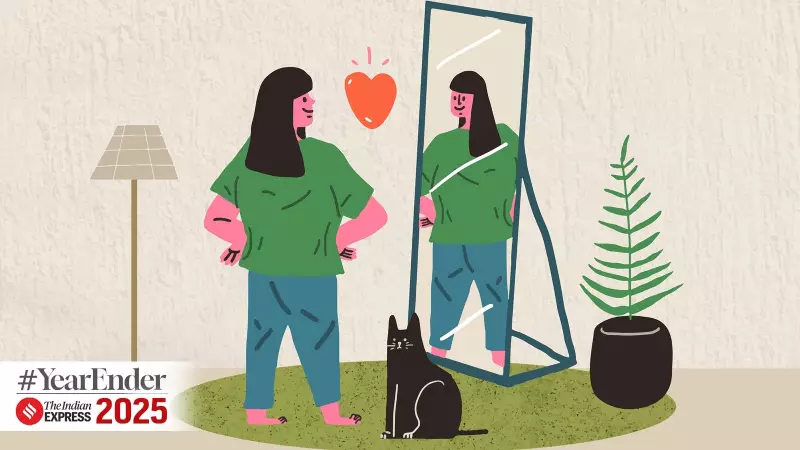
From Left Behind to Leading Life: The Rise of Intentional Singlehood
By 2025, being single quietly shed its label as a problem needing a fix. It stopped being a waiting room between relationships or a phase requiring constant explanation. For many people, singlehood became a legitimate life choice shaped by intention, self-awareness, and changing ideas about fulfilment.
The Shift in Perspective
This shift gained momentum from deeper conversations around emotional labour, financial independence, and mental health. People started questioning why companionship often served as the ultimate marker of success. They wondered why personal stability, peace, and autonomy took a back seat in societal narratives.
Dating apps fatigued users with endless swiping. Relationship timelines felt increasingly unrealistic and pressured. Against this backdrop, staying single began to feel less like a compromise and more like clarity for countless individuals.

Rewriting the Indian Script
In India, being single past a certain age traditionally carried stigma. Society often treated it like a gap needing closure. But voices and stories throughout 2025 revealed a rewritten script.
A 2019 Morgan Stanley report predicted that by 2030, 45 percent of women in the United States aged 25-44 would be single and child-free. This marked an increase from 41 percent in 2018. India-specific data remains harder to pin down precisely. However, the 2011 Census already showed over 10 million single-person households. Experts believe this number continues to swell as urbanisation and education reshape personal choices across the nation.
Defining by What You Are
Many singles now define themselves not by what they lack—a partner, a spouse—but by what they possess. They describe themselves as autonomous, fulfilled, and thriving individuals. One interviewee, Svetlana, explained how confidence and priorities sharpen with age. "With age comes confidence and wisdom. Your priorities become clearer," she noted.
Earlier generations frequently equated adulthood with marriage and family established through legal or social ceremonies. The year 2025 witnessed increasing acceptance of singlehood as a valid, intentional life choice.
Deliberate Choices and New Models
Many singles choose deliberately to wait. They prioritise self-knowledge, emotional resilience, career goals, or simply joyful independence over rushing into wedlock. This intentional approach reflects a broader cultural shift.
One of the year's most resonant stories came from actor Sanjeeda Shaikh. She openly questioned the utility of social labels like 'single mother.' Shaikh stated that motherhood transcends marital status. She asserted that being called a single mother does not define her role; being a mother does. Her stance directly challenged the stereotype that single parents are somehow incomplete or disadvantaged. It reframed parenting and identity on individual terms rather than social expectations.
Gurleen Baruah, an existential psychotherapist at That Culture Thing, commented on this phenomenon. "Societal labels like 'single parent' often carry a perception of something being incomplete, as if a vital piece of the family puzzle is missing," she observed.
Exploring Relationship Alternatives
Another trend echoed across India in 2025. People showed growing appetite for relationship models that do not rely on traditional marital structures. While not always discussed under the overt banner of singlehood, alternatives like living apart together gained attention.
In these arrangements, couples choose emotional commitment without conventional cohabitation. This highlights that intimacy and fulfilment can take many forms beyond marriage labels.
Senior clinical psychologist Neha Parashar from Cadabams Hospitals shared insights. "Research from The Journal of Marriage and Family suggests that LAT couples report higher relationship satisfaction due to the intentional effort they put into maintaining emotional intimacy," she said. "Communication becomes more deliberate, with couples often relying on scheduled interactions or quality time rather than routine exchanges."

The narrative around singlehood continues to evolve. What was once seen as a deficit is increasingly viewed as a deliberate, empowered choice. Individuals across India are crafting lives defined by autonomy, purpose, and personal fulfilment.