The Quiet Revolution of Valentine's Day: Intimacy Over Extravagance
For decades, Valentine's Day has been synonymous with a very specific fantasy—one wrapped in luxury and cinematic grandeur. The image involves a velvet box, perhaps containing a Cartier Love bracelet, or an elaborate dinner at a restaurant with lighting flattering enough to justify multiple outfit changes and a fresh blow-dry. This version of the day, absorbed from films and social media platforms like Instagram, has long dominated expectations. However, reality is increasingly painting a different picture.
The Rise of Personal and Thoughtful Gestures
Instead of the anticipated bracelet, many are now receiving handwritten notes, carefully curated playlists, or even a simple packet of favorite Korean ramen—because a partner remembered it tastes like comfort. Rather than disappointment, these gestures often evoke a deep sense of being moved and valued. This shift represents a soft rebellion against the pressure of big, expensive displays of affection.
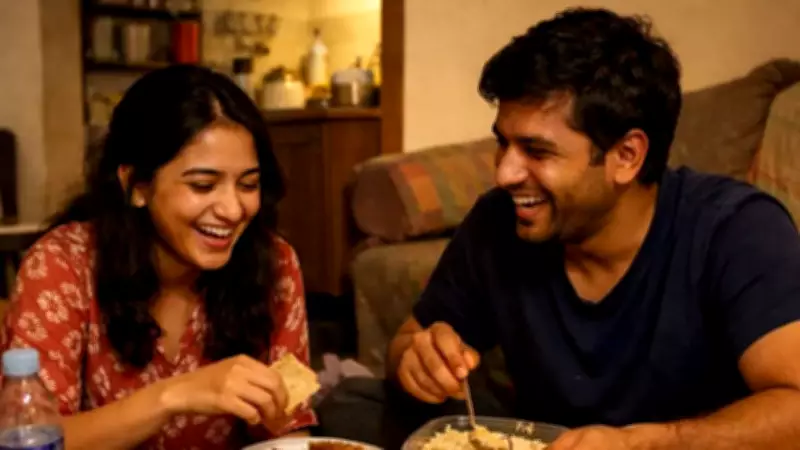
Sanya Bhargava, a content strategist, shares her experience: "I used to think Valentine's Day meant dressing up and going somewhere expensive. Last year, we just ordered sushi, watched Love Island, and exchanged letters. I still have that letter in my drawer. I don't even remember the restaurants from earlier years."

Economic Realities and the Value of Effort
This transformation isn't occurring in a vacuum. Valentine's Day often arrives amidst salary cycles and mounting credit card bills, making extravagant spending less feasible for many. There's something disarmingly intimate about effort that cannot be purchased with money alone.
Jackie, an art student, explains: "I don't need roses that die in two days. I'd rather someone plan something small but thoughtful. That tells me they're paying attention."
Handwritten letters are making a significant comeback, alongside photo prints, scrapbooks, and playlists that require hours of curation. People are rediscovering the joy of baking for each other, as seen in the story of Ankita Joseph, a content creator.
Ankita recounts: "I spent three evenings learning to make tiramisu because my partner once mentioned loving it. I ruined two batches and almost cried. But when he ate it, he looked so happy. No expensive gift could have matched that."
Micromance: The New Norm in Relationships
This trend, often dubbed 'micromance,' is gaining momentum. According to data from Bumble, over 70% of single Indians now assert that small, consistent gestures matter more than grand ones. Additionally, 92% report that expressions of affection increasingly include elements like memes, playlists, and inside jokes.
The Persistence of Traditional Expectations
Despite this shift, not everyone is ready to romanticize a handwritten note. A significant segment of daters still expects Valentine's Day to feel cinematic—complete with gifts that carry the quiet authority of a velvet box from luxury brands like Van Cleef & Arpels. For them, anything less can feel faintly underwhelming.
Ishita G, a stylist, laughs: "If I've been hinting at a Mini Jodie and I get a candle, I'm going to need a minute. I'll appreciate the thought… eventually. But expectations are expectations."
Lavanya Peter, a writer, admits: "I love thoughtful gifts. But Valentine's Day is the one day you want to be spoilt. Otherwise, it just feels like a regular day with dessert."
This dichotomy highlights the evolving landscape of Valentine's Day, where personal connection and financial practicality are increasingly valued, yet traditional desires for luxury and spoiling remain strong for many.