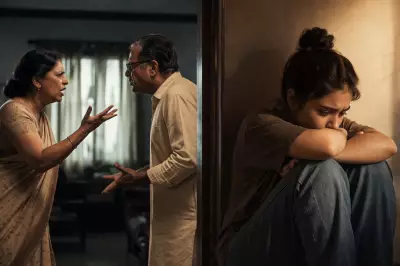
We can polish a resume, rehearse a speech, and choose our words with precision, but our bodies are usually terrible liars. Our body language subtly gives cues about our inner lives. Whether it is a subtle shift in your chair or the way your feet are pointing, your physical self often broadcasts what you are feeling long before you even process it. Think of this as a field guide to the things we do without thinking—the little tells that show when someone is actually engaged, totally over it, or low-key panicking.
Eye Contact or Lack of It
Steady, warm eye contact is the universal signal that says, "I am with you." It shows confidence and genuine presence. However, context matters. Too much eye contact can feel like an interrogation, while too little can make it seem like you are hiding something or are incredibly shy. If you notice someone's eyes constantly darting toward the exit, they are not necessarily being rude—their brain is likely looking for a psychological escape from a stressful moment.
The Truth in Your Toes
If you want to know what someone is really thinking, stop looking at their face and look at their feet. We have spent our entire lives learning to control our facial expressions, but we almost never think about our feet. If someone is talking to you but their feet are pointed toward the door, their body is already halfway home. On the flip side, if you are in a group and someone's feet are angled toward you, it is a massive subconscious compliment.

Arm Crossing
Crossing your arms is the classic "Keep Out" sign. It is a protective gesture used when feeling skeptical, defensive, or uncomfortable. However, sometimes we simply do not know what to do with our hands, or the air conditioning is too cold. The key is to look for tension. Are the fists clenched? Are the shoulders hiked up? If the rest of the body is relaxed, the person is probably just comfortable. If they are stiff as a board, they have checked out of the conversation.
Micro-Expressions
Have you ever seen someone's face twitch for a split second before they give you a polite smile? Those are micro-expressions. They are involuntary flashes of real emotion—anger, fear, or joy—that leak out before the social mask takes over. If someone says "That's great news!" but their brow furrows for a millisecond first, listen to the furrow, not the words.
Breathing and Shoulder Tension
When stress hits, our primitive fight-or-flight response kicks in. We instinctively try to protect our necks, which causes our shoulders to move up toward our ears. If you notice your shoulders creeping up or your breathing becoming shallow and chest-heavy, it is a signal that your nervous system is on high alert. A single deep belly breath can often reset this response.
The Twitch Factor
Fidgeting—bouncing a leg, clicking a pen, or twisting a ring—is your body's way of venting excess nervous energy. It acts like a pressure valve for anxiety or boredom. Interestingly, the opposite can also be true: frozen stillness. If someone becomes unnaturally rigid, they might be trying too hard to appear calm, which usually means they feel the exact opposite.
How Close or Far You Stand
We all have an invisible comfort zone regarding physical distance. If someone feels a connection, they will naturally lean in or close the gap. If they feel pressured or annoyed, they will take a half-step back. It is a silent negotiation of space. If you are trying to build rapport, watch how they react when you move slightly closer. If they do not move back, the vibe check is passed.
High-Speed Blinking
Blinking is normal, but when the blink rate spikes, it is often a sign of cognitive load or stress. Similarly, rubbing the eyes is not always about being tired; it is a visual blockage gesture. We subconsciously rub our eyes or cover them when we hear something we do not like or want to shield ourselves from a situation.
Head Tilts and Nods
A slight head tilt is a sign of genuine interest, understanding, and empathy. It says, "I am actually listening, not just waiting for my turn to speak." If someone is nodding along with a tilted head, they are likely truly engaged with what you are saying.

Hand Gestures When You Are Not Talking
Even when we are not talking, our hands are still shouting. Clenching your hands into a ball or white-knuckling your phone or a pen is a sign of restraint. It suggests you are holding back an emotion, usually frustration or anxiety. Open, relaxed palms, on the other hand, signal that you have nothing to hide and are comfortable in the moment.