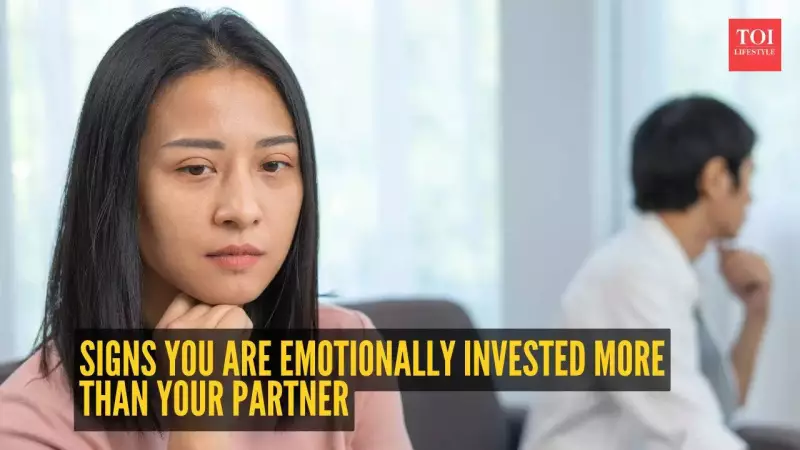
Have you ever felt a persistent ache in your relationship, a sense that you are pouring your heart into a vessel that never seems to fill? You meticulously plan dates, overanalyse every text message, and dream of a shared future, yet you're left yearning for the same level of effort and enthusiasm from your partner. This common yet painful dynamic often stems from mismatched emotional investment. Recognising this imbalance early is crucial, as it allows for an honest conversation with your partner or a decision to step away gracefully. Ultimately, a thriving relationship is built on mutual effort, not one-sided devotion.
Key Indicators of a One-Sided Emotional Dynamic
Identifying the signs of unequal emotional labour can be the first step toward reclaiming your peace or rebuilding your connection on fairer terms. Here are five clear signals that you might be more invested than your partner.
1. You Are the Perpetual Initiator of Contact
Does your heart sink a little each time you check your phone and find no messages or missed calls from your partner? If you are consistently the one to break the silence, sending the first "good morning" text or making the call to check in, it indicates a chasing dynamic. While your partner may respond warmly, their lack of initiative speaks volumes. Healthy love is a two-way street, where effort is matched with effort. Consider expressing your feelings gently: "I enjoy reaching out to you, but I'd also love to hear from you first sometimes." Their reaction will provide valuable insight into their commitment level.

2. Planning and Romance Feel Like Your Sole Responsibility
Are you the unofficial event planner for the couple, always dreaming up romantic dinners, weekend getaways, or thoughtful gestures? Your partner may happily go along with your plans, often with a default "whatever you want" attitude, but never takes the lead. This turns what should be a shared joy of romance into a draining chore. An excited and invested partner naturally shares the joy of planning. Try inviting them into the process: "Let's brainstorm our next adventure together!" If they engage, it's a positive sign. If they remain passive, it may be time to reassess the distribution of emotional labour in your relationship.
3. Your Conversations Lack Emotional Reciprocity
Pay close attention to your daily exchanges. Do you find yourself sharing personal stories, fears, and dreams, only to be met with superficial responses or a polite smile? This one-way intimacy, especially in the early stages of a relationship, is a significant red flag. It suggests that while you are opening up and building emotional connection, your partner is maintaining a safe, surface-level distance. This can leave you feeling exposed and emotionally lonely, despite being in a relationship.
4. They Dodge Conversations About a Shared Future
Whether it's making plans a few months ahead, discussing meeting each other's families, or talking about long-term goals, does your partner consistently avoid or deflect these topics? They might use humour, change the subject, or offer vague excuses. This avoidance often signals hesitation or a lack of commitment. Individuals who are genuinely invested in the relationship and its potential naturally weave future-oriented conversations into their dialogue. If you find yourself far ahead in your emotional timeline, pause and prioritise your own path. A direct but calm conversation about where you both see the relationship heading is essential to prevent greater pain later.
5. Their Mood Swings Dictate Your Emotional State
When your partner has a bad day, does it inevitably become your crisis too? You might find yourself anxiously analysing their silences, replaying arguments in your head, and apologising for things that aren't your fault, all while they seem to bounce back quickly. This emotional contagion, where their lows become your lows but your distress doesn't similarly affect them, is a clear sign of being on different emotional pages. You are deeply invested in the relationship's harmony, while they may perceive such intensity as suffocating. A healthy partnership involves mutual care and a balanced emotional burden.

Navigating the Imbalance: Steps Forward
Recognising these signs is only the beginning. The crucial next step is to address the imbalance. Initiate an open, non-accusatory conversation with your partner about your observations and feelings. Use "I" statements to express how the dynamic affects you. Their willingness to acknowledge the pattern and work towards change is the true test. Remember, a relationship should be a source of mutual support and joy, not a constant source of one-sided effort and emotional exhaustion. Prioritising your own emotional well-being is not selfish; it is necessary for any healthy connection.